Blab Tech
California Grocery Chain Deploys Facial Recognition to Curb Rising Shoplifting
In a move that signals the escalating battle against shoplifting, California’s discount grocer Grocery Outlet is rolling out facial‑recognition technology in select Bay Area stores.
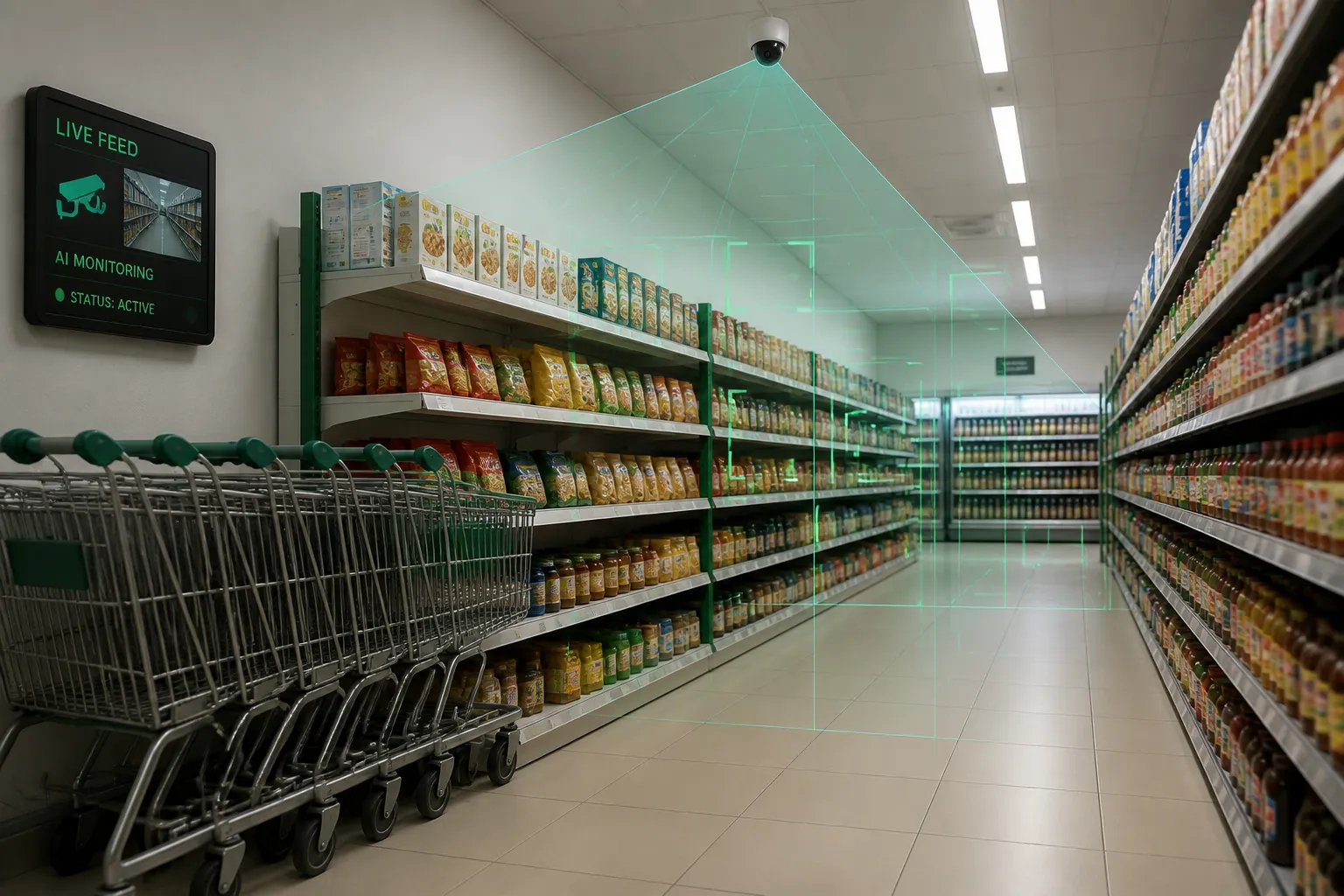
The Emeryville‑based chain has begun installing SAFR, a system that scans shoppers as they enter and compares their faces to a database of people flagged for suspected shoplifting. The first stores to receive the software include its Pleasant Hill “Bargain Market” location, and the chain has posted signs warning customers that the technology is in use, CBS News San Francisco reports.
Retail theft has surged across the state. FBI data cited by CBS shows that shoplifting in California has increased 50 percent since the COVID‑19 pandemic, and state crime statistics indicate that 2023 incidents were 39 percent higher than the previous year. The spike has forced retailers—from big‑box chains to neighborhood grocers—to spend millions on security measures, and some have closed stores altogether.
For former store manager June Guerrero, the new technology feels like a necessary response. “I worked for years as a manager of a store and the theft was just unbelievable,” she told CBS News. Guerrero said the system could help reduce shrinkage and protect employees.
Not all shoppers share that view. Barbara Jackson, a regular customer, said she is uneasy about having her face scanned. “I do understand, but invading my privacy with my picture, I don’t agree on that,” she said. Another customer, Steve Burdette, raised a different concern: “It could lead to a lot of problems, I think for companies and businesses and people,” he said.
SAFR president Charisse Jacques has responded to privacy worries. According to the New York Post, the company does not keep a database of every customer who walks through the door. The system retains information on suspected shoplifters only for a limited window and does not share data with outside agencies, including U.S. Immigration and Customs Enforcement.
Facial‑recognition is not new to retail. Wegmans and other chains have experimented with the technology in a small fraction of stores to spot people flagged for misconduct. However, the use of the technology has sparked debate over privacy, accuracy, and the potential for false positives.
California’s privacy laws add another layer of scrutiny. The California Consumer Privacy Act (CCPA) and the California Privacy Rights Act (CPRA) give residents rights to control how their personal data is collected and used. While SAFR’s limited retention policy may align with those laws, customers and privacy advocates remain cautious.
Retailers argue that the technology can reduce theft costs. According to industry reports, shoplifting accounts for a significant portion of retail shrinkage, and the cost of lost inventory can reach millions of dollars annually. By identifying and deterring repeat offenders, chains hope to lower those losses.
The rollout is still in its early stages. Grocery Outlet has not announced plans to expand the system beyond the Bay Area, and it has not released data on the number of incidents prevented. The company also has not issued a formal statement on how it will handle false‑positive matches.
The debate over facial‑recognition in retail reflects a broader tension between security and privacy. As technology becomes more capable, regulators, retailers, and consumers are negotiating how to balance the benefits of theft prevention with the protection of individual rights.
At present, Grocery Outlet’s use of SAFR remains a localized experiment. The chain’s next steps—whether to broaden the deployment, adjust its data‑retention policies, or respond to customer feedback—will likely influence how other retailers approach similar technology in California and beyond.
The Emeryville‑based chain has begun installing SAFR, a system that scans shoppers as they enter and compares their faces to a database of people flagged for suspected shoplifting. The first stores to receive the software include its Pleasant Hill “Bargain Market” location, and the chain has posted signs warning customers that the technology is in use, CBS News San Francisco reports.
Retail theft has surged across the state. FBI data cited by CBS shows that shoplifting in California has increased 50 percent since the COVID‑19 pandemic, and state crime statistics indicate that 2023 incidents were 39 percent higher than the previous year. The spike has forced retailers—from big‑box chains to neighborhood grocers—to spend millions on security measures, and some have closed stores altogether.
For former store manager June Guerrero, the new technology feels like a necessary response. “I worked for years as a manager of a store and the theft was just unbelievable,” she told CBS News. Guerrero said the system could help reduce shrinkage and protect employees.
Not all shoppers share that view. Barbara Jackson, a regular customer, said she is uneasy about having her face scanned. “I do understand, but invading my privacy with my picture, I don’t agree on that,” she said. Another customer, Steve Burdette, raised a different concern: “It could lead to a lot of problems, I think for companies and businesses and people,” he said.
SAFR president Charisse Jacques has responded to privacy worries. According to the New York Post, the company does not keep a database of every customer who walks through the door. The system retains information on suspected shoplifters only for a limited window and does not share data with outside agencies, including U.S. Immigration and Customs Enforcement.
Facial‑recognition is not new to retail. Wegmans and other chains have experimented with the technology in a small fraction of stores to spot people flagged for misconduct. However, the use of the technology has sparked debate over privacy, accuracy, and the potential for false positives.
California’s privacy laws add another layer of scrutiny. The California Consumer Privacy Act (CCPA) and the California Privacy Rights Act (CPRA) give residents rights to control how their personal data is collected and used. While SAFR’s limited retention policy may align with those laws, customers and privacy advocates remain cautious.
Retailers argue that the technology can reduce theft costs. According to industry reports, shoplifting accounts for a significant portion of retail shrinkage, and the cost of lost inventory can reach millions of dollars annually. By identifying and deterring repeat offenders, chains hope to lower those losses.
The rollout is still in its early stages. Grocery Outlet has not announced plans to expand the system beyond the Bay Area, and it has not released data on the number of incidents prevented. The company also has not issued a formal statement on how it will handle false‑positive matches.
The debate over facial‑recognition in retail reflects a broader tension between security and privacy. As technology becomes more capable, regulators, retailers, and consumers are negotiating how to balance the benefits of theft prevention with the protection of individual rights.
At present, Grocery Outlet’s use of SAFR remains a localized experiment. The chain’s next steps—whether to broaden the deployment, adjust its data‑retention policies, or respond to customer feedback—will likely influence how other retailers approach similar technology in California and beyond.








