Blab Tech
Workato Launches Enterprise MCP Registry to Centralize AI Governance
Workato, the cloud‑based integration and automation platform, today unveiled its Enterprise MCP Registry—a new element of the Enterprise MCP suite that promises a single, governed record of every Model Context Protocol (MCP) server an organization runs.
The registry tackles a problem that has emerged as enterprises deploy MCP servers from a patchwork of vendors, partners, and internal teams. MCP, an open standard first published by Anthropic in November 2024, spells out how large language models (LLMs) can pull in external data and tools. While the protocol unifies the interface, it leaves open how an organization discovers approved capabilities, applies consistent security policies, or tracks usage.
Workato’s solution offers a catalog of more than 60 production‑ready MCP servers that cover common business functions: creating purchase orders in SAP, reconciling customer records between Salesforce and Zendesk, validating invoices, and onboarding new hires in Workday. The servers are built with Workato’s MCP Composer and a connector library that supports over 14,000 applications.
Each MCP server follows a managed lifecycle that includes development, testing, publishing, versioning, and decommissioning. Only approved versions appear in the registry, ensuring developers and AI agents can discover and reuse trusted capabilities instead of duplicating effort.
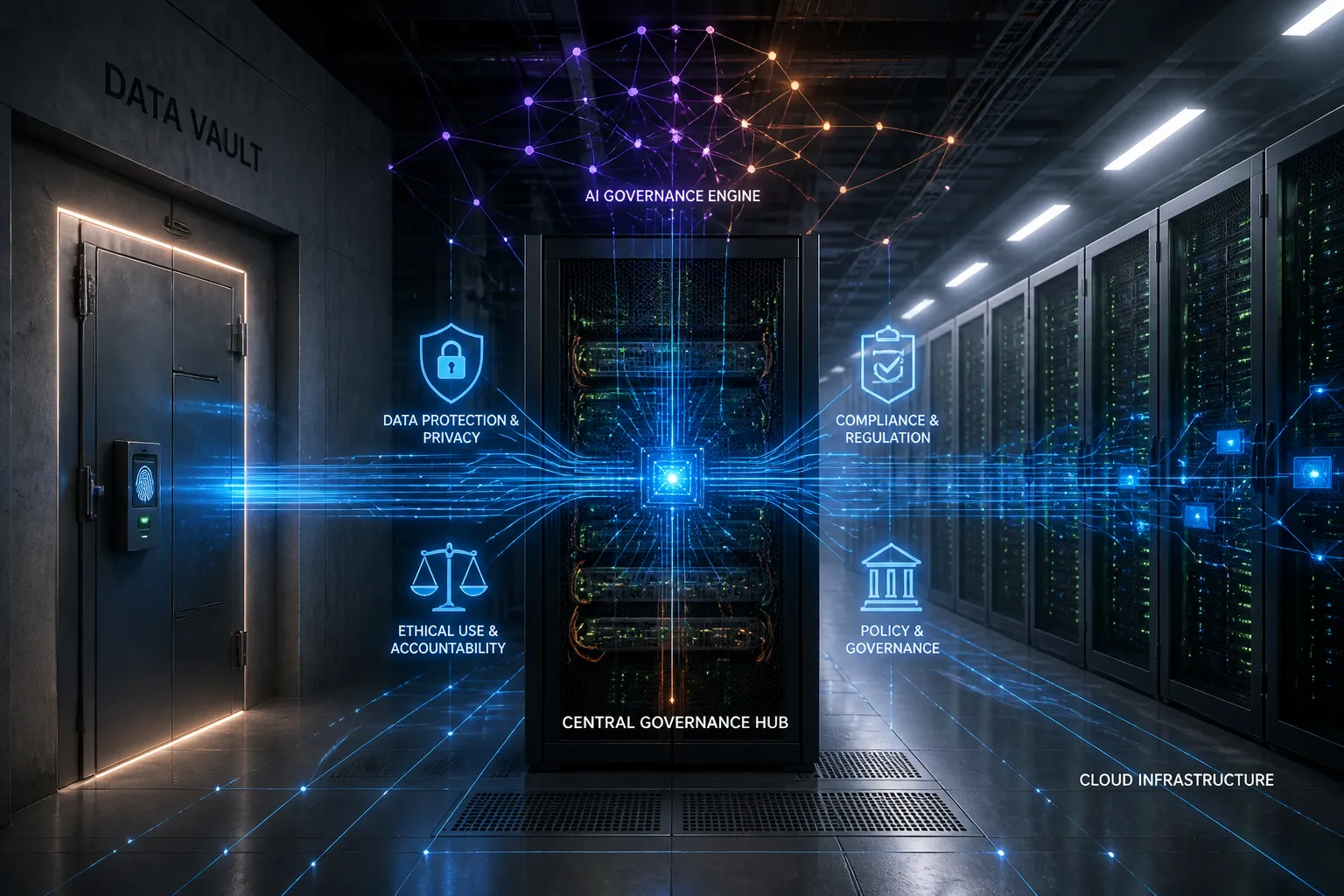
Beyond discovery, the Enterprise MCP Registry pairs with the Enterprise MCP Gateway. The gateway enforces authentication, authorization, credential management, rate limits, and data‑protection policies before requests reach enterprise systems. Workato’s Verified User Access feature guarantees that an AI or agent action runs with the identity and permissions of the requesting user, not a shared service account. Centralized audit trails record who initiated an action, which agent executed it, which capability was invoked, which enterprise systems were accessed, and how the request was fulfilled.
"Governance is one of the biggest barriers to deploying AI at enterprise scale," said Kevin Wolf, Vice President of AI and Information Technology at Swanson Health. "Workato gives us a consistent governance model across every AI interaction while allowing our teams to focus on business outcomes instead of infrastructure."
The Enterprise MCP Registry also introduces Enterprise Skills—reusable, governed, tested, auditable, and observable business capabilities. Enterprise Skills bundle business logic, approvals, validation, orchestration, retries, exception handling, and multi‑system workflows into deterministic operations that any authorized AI agent can invoke. By exposing a single, trusted operation instead of a collection of raw APIs, Enterprise Skills reduce token costs and mitigate hallucination risks.
Workato’s Chief Product Officer, Bhagat Nainani, explained that the platform is intended to let customers "scale AI safely while focusing their engineering effort on solving business problems instead of rebuilding infrastructure every team already needs."
The registry and the catalog of 60+ MCP servers are available now as part of Workato Enterprise MCP. According to Workato, 43 % of Enterprise MCP servers published by customers today start from Workato’s pre‑built servers before being extended for organization‑specific needs.
In the six months since the platform’s launch, the number of Enterprise MCP servers published by customers has grown more than 2,100 %. Enterprises are connecting AI agents to mission‑critical systems such as SAP, Oracle Fusion Cloud, Workday, ServiceNow, Salesforce, Snowflake, and Databricks. The growth reflects the demand for a unified control platform that provides discovery, policy enforcement, verified identity, reusable skills, and end‑to‑end auditability.
Founded in 2013 and headquartered in Mountain View, California, Workato has positioned Enterprise MCP as a comprehensive solution for secure, scalable AI orchestration. By combining MCP’s open‑standard interface with a governed registry, gateway, and audit trail, the platform aims to meet the security, compliance, and operational discipline that enterprises expect from other mission‑critical systems.
The Enterprise MCP Registry represents a step toward a more mature AI ecosystem in which organizations can manage the lifecycle of AI capabilities, enforce consistent governance, and audit every interaction. As AI adoption accelerates, the need for such centralized control is likely to grow.
The registry tackles a problem that has emerged as enterprises deploy MCP servers from a patchwork of vendors, partners, and internal teams. MCP, an open standard first published by Anthropic in November 2024, spells out how large language models (LLMs) can pull in external data and tools. While the protocol unifies the interface, it leaves open how an organization discovers approved capabilities, applies consistent security policies, or tracks usage.
Workato’s solution offers a catalog of more than 60 production‑ready MCP servers that cover common business functions: creating purchase orders in SAP, reconciling customer records between Salesforce and Zendesk, validating invoices, and onboarding new hires in Workday. The servers are built with Workato’s MCP Composer and a connector library that supports over 14,000 applications.
Each MCP server follows a managed lifecycle that includes development, testing, publishing, versioning, and decommissioning. Only approved versions appear in the registry, ensuring developers and AI agents can discover and reuse trusted capabilities instead of duplicating effort.
Beyond discovery, the Enterprise MCP Registry pairs with the Enterprise MCP Gateway. The gateway enforces authentication, authorization, credential management, rate limits, and data‑protection policies before requests reach enterprise systems. Workato’s Verified User Access feature guarantees that an AI or agent action runs with the identity and permissions of the requesting user, not a shared service account. Centralized audit trails record who initiated an action, which agent executed it, which capability was invoked, which enterprise systems were accessed, and how the request was fulfilled.
"Governance is one of the biggest barriers to deploying AI at enterprise scale," said Kevin Wolf, Vice President of AI and Information Technology at Swanson Health. "Workato gives us a consistent governance model across every AI interaction while allowing our teams to focus on business outcomes instead of infrastructure."
The Enterprise MCP Registry also introduces Enterprise Skills—reusable, governed, tested, auditable, and observable business capabilities. Enterprise Skills bundle business logic, approvals, validation, orchestration, retries, exception handling, and multi‑system workflows into deterministic operations that any authorized AI agent can invoke. By exposing a single, trusted operation instead of a collection of raw APIs, Enterprise Skills reduce token costs and mitigate hallucination risks.
Workato’s Chief Product Officer, Bhagat Nainani, explained that the platform is intended to let customers "scale AI safely while focusing their engineering effort on solving business problems instead of rebuilding infrastructure every team already needs."
The registry and the catalog of 60+ MCP servers are available now as part of Workato Enterprise MCP. According to Workato, 43 % of Enterprise MCP servers published by customers today start from Workato’s pre‑built servers before being extended for organization‑specific needs.
In the six months since the platform’s launch, the number of Enterprise MCP servers published by customers has grown more than 2,100 %. Enterprises are connecting AI agents to mission‑critical systems such as SAP, Oracle Fusion Cloud, Workday, ServiceNow, Salesforce, Snowflake, and Databricks. The growth reflects the demand for a unified control platform that provides discovery, policy enforcement, verified identity, reusable skills, and end‑to‑end auditability.
Founded in 2013 and headquartered in Mountain View, California, Workato has positioned Enterprise MCP as a comprehensive solution for secure, scalable AI orchestration. By combining MCP’s open‑standard interface with a governed registry, gateway, and audit trail, the platform aims to meet the security, compliance, and operational discipline that enterprises expect from other mission‑critical systems.
The Enterprise MCP Registry represents a step toward a more mature AI ecosystem in which organizations can manage the lifecycle of AI capabilities, enforce consistent governance, and audit every interaction. As AI adoption accelerates, the need for such centralized control is likely to grow.








