Blab Tech
San Francisco Police Fail to Identify Thief Who Used Waymo Robotaxi as Getaway
When a thief vanished in a Waymo robotaxi, San Francisco police were left chasing shadows.
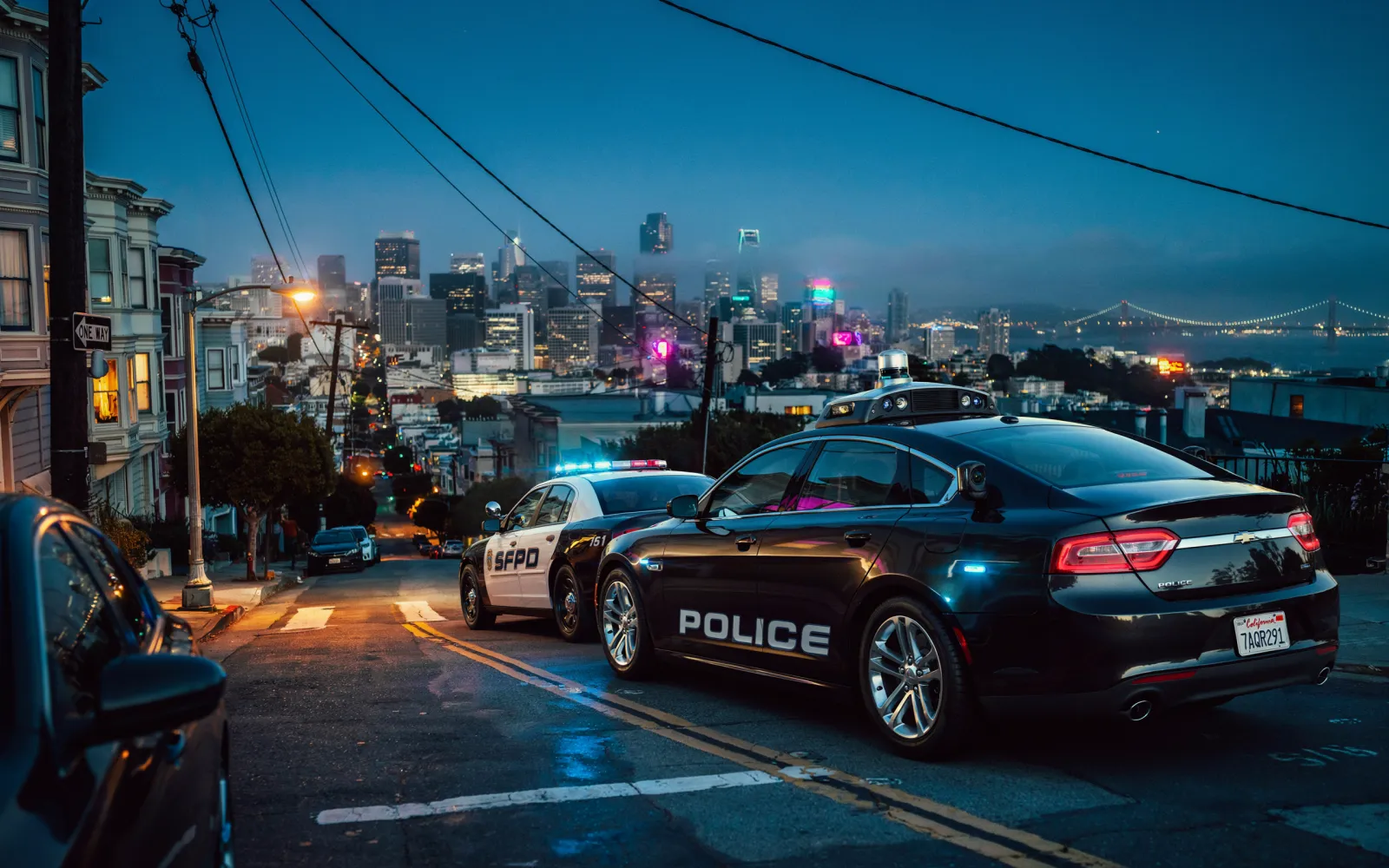
In January 2026, a burglar slipped into the Hot 8 Yoga studio on the Marina District’s bustling street, grabbed a handful of men’s shorts, and stepped into a Waymo robotaxi waiting outside. The vehicle whisked him away before the studio’s cameras could capture his face. Six months later, detectives still have no suspect.
The studio’s security feed is starkly simple: a figure enters, opens a locker, lifts a pair of shorts, and exits within a minute. Behind the door, a Waymo vehicle stands idle, its front‑mounted cameras recording the street. The thief climbs aboard, and the autonomous car drives off, its interior cameras recording the ride for the next few minutes before the trip ends. Studio manager Farah Issa told reporters that the loss was minor and that the thief had only taken men’s shorts.
Police turned to Waymo for answers. In April, a search warrant was issued for data tied to the ride—account details, interior video, and any external footage. The account used to book the trip offered no useful lead; ride‑hailing apps can be accessed with stolen payment information or burner phones. By the time the warrant was served, Waymo had already purged the interior video. Exterior footage existed, but faces outside the vehicle were blurred in accordance with the company’s privacy safeguards. The police were left with a void.
Waymo has not disclosed how long it retains video data from its vehicles. The company declined to comment on the specifics of this case but reiterated that it reviews law‑enforcement requests to ensure they are legally valid and may narrow the scope of those requests to protect rider privacy. Waymo also says it does not use facial recognition or other biometric identification tools.
The incident illustrates the growing reliance on connected‑vehicle data in investigations. Teslas, for example, record activity around the car, and footage has been used in police inquiries; in some cases, officers have towed vehicles believed to contain useful recordings to preserve potential evidence. The Waymo case, however, exposes the limits of that strategy when privacy protections and data‑retention policies come into play.
Autonomous ride‑hailing services remain confined to a handful of cities. A similar incident in Los Angeles last year involved a suspect who entered a Waymo after a robbery, but police were able to stop the vehicle after officers turned on their emergency lights. In San Francisco, the outcome has been less conclusive.
The theft raises questions about how autonomous vehicle data can be used in investigations, balancing privacy and public safety. Although Waymo’s 29 cameras provide a 360‑degree view, data filtering, anonymization, and deletion can hinder investigations. The case also highlights challenges of ride‑hailing data access, account anonymity, and privacy safeguards.
Police are still investigating and have not identified a suspect. Waymo has not released further details. No regulatory action has been announced. For the yoga studio, the theft remains a curiosity; the manager said the loss was minor.
The case underscores the need for clear policies on data retention and access for autonomous vehicle operators and for law enforcement to understand the limitations of vehicle data. Until such policies are clarified, similar incidents may remain unresolved.
In January 2026, a burglar slipped into the Hot 8 Yoga studio on the Marina District’s bustling street, grabbed a handful of men’s shorts, and stepped into a Waymo robotaxi waiting outside. The vehicle whisked him away before the studio’s cameras could capture his face. Six months later, detectives still have no suspect.
The studio’s security feed is starkly simple: a figure enters, opens a locker, lifts a pair of shorts, and exits within a minute. Behind the door, a Waymo vehicle stands idle, its front‑mounted cameras recording the street. The thief climbs aboard, and the autonomous car drives off, its interior cameras recording the ride for the next few minutes before the trip ends. Studio manager Farah Issa told reporters that the loss was minor and that the thief had only taken men’s shorts.
Police turned to Waymo for answers. In April, a search warrant was issued for data tied to the ride—account details, interior video, and any external footage. The account used to book the trip offered no useful lead; ride‑hailing apps can be accessed with stolen payment information or burner phones. By the time the warrant was served, Waymo had already purged the interior video. Exterior footage existed, but faces outside the vehicle were blurred in accordance with the company’s privacy safeguards. The police were left with a void.
Waymo has not disclosed how long it retains video data from its vehicles. The company declined to comment on the specifics of this case but reiterated that it reviews law‑enforcement requests to ensure they are legally valid and may narrow the scope of those requests to protect rider privacy. Waymo also says it does not use facial recognition or other biometric identification tools.
The incident illustrates the growing reliance on connected‑vehicle data in investigations. Teslas, for example, record activity around the car, and footage has been used in police inquiries; in some cases, officers have towed vehicles believed to contain useful recordings to preserve potential evidence. The Waymo case, however, exposes the limits of that strategy when privacy protections and data‑retention policies come into play.
Autonomous ride‑hailing services remain confined to a handful of cities. A similar incident in Los Angeles last year involved a suspect who entered a Waymo after a robbery, but police were able to stop the vehicle after officers turned on their emergency lights. In San Francisco, the outcome has been less conclusive.
The theft raises questions about how autonomous vehicle data can be used in investigations, balancing privacy and public safety. Although Waymo’s 29 cameras provide a 360‑degree view, data filtering, anonymization, and deletion can hinder investigations. The case also highlights challenges of ride‑hailing data access, account anonymity, and privacy safeguards.
Police are still investigating and have not identified a suspect. Waymo has not released further details. No regulatory action has been announced. For the yoga studio, the theft remains a curiosity; the manager said the loss was minor.
The case underscores the need for clear policies on data retention and access for autonomous vehicle operators and for law enforcement to understand the limitations of vehicle data. Until such policies are clarified, similar incidents may remain unresolved.