Blab Tech
KOSPI Plunges 40% as Memory Trade Reverses; SK Hynix Survives with Strong Q2 Results
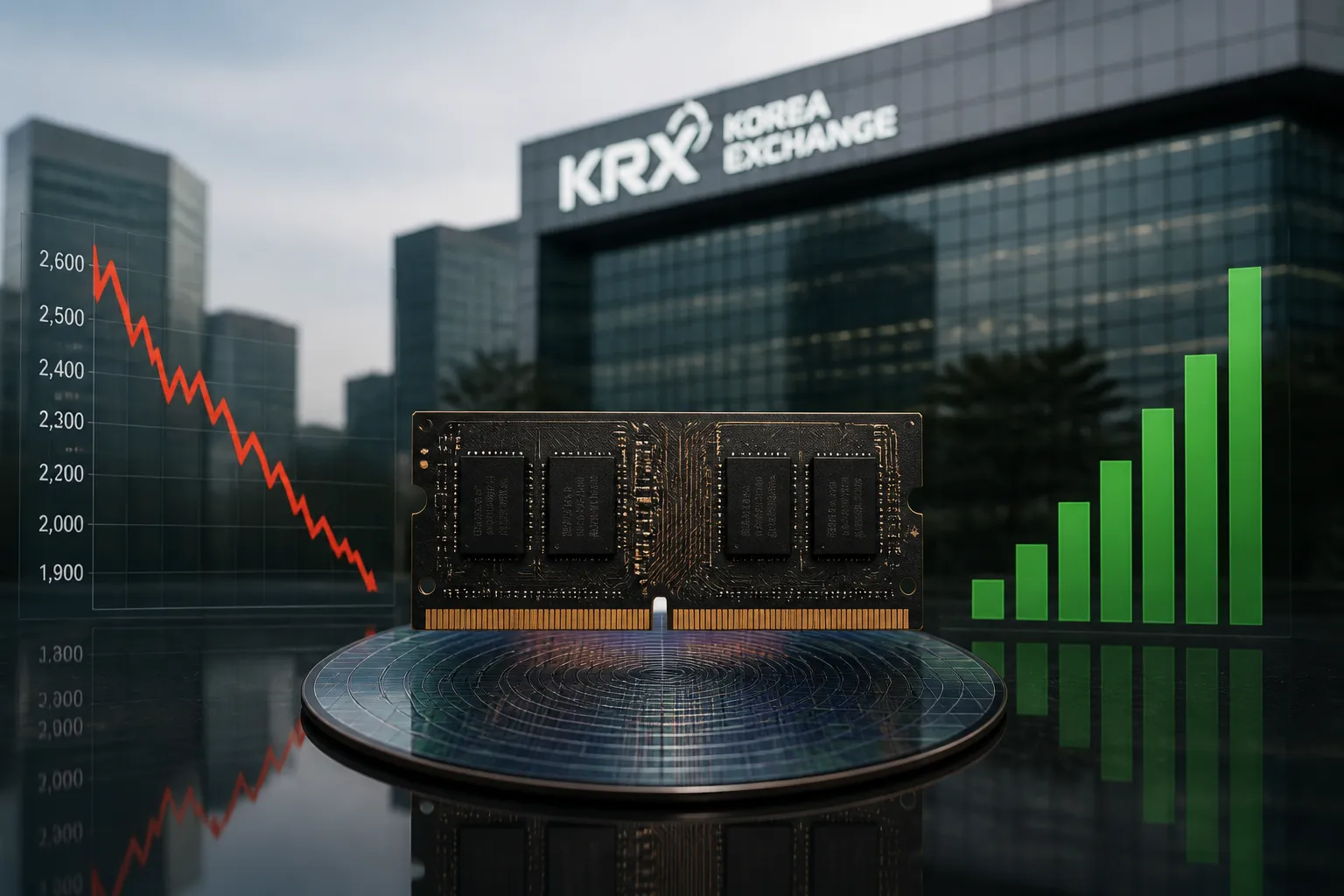
The Korea Composite Stock Price Index (KOSPI) fell about 40 % from its June peak, triggering a series of circuit‑breakers that marked the most severe decline in the index’s history. The drop was driven largely by a reversal in the memory‑chip sector, which had supplied the rally that lifted the market over the past year.
SK Hynix, one of the world’s three largest DRAM and flash‑memory manufacturers, was a bright spot amid the sell‑off. The company’s shares had fallen 60 % earlier in the year before rebounding 30 % in a sharp turnaround. The rebound was confirmed by the company’s Q2 2026 earnings release, which reported revenue of KRW 79.3 trillion – a 51 % increase quarter‑on‑quarter and 257 % year‑on‑year – and operating income that rose 550 % from the same period last year.
The earnings call, held on July 28, 2026, highlighted SK Hynix’s leadership in high‑bandwidth memory (HBM). The company is the primary supplier of HBM4 for Nvidia’s Rubin platform and has shipped early HBM4E samples in mid‑2026. Analysts noted that the company’s long‑term supply agreements and the continued growth of AI‑driven DRAM demand support near‑term revenue expansion. However, the company cautioned that growth may moderate after 2028 as capital expenditures and revenue growth normalize.
Despite the strong results, SK Hynix’s shares fell after the announcement. The company’s forward‑earnings multiple is 4.6 ×, lower than that of its peer Micron, indicating that investors are aware of the normalization risks. The company’s management described the current price as a “durable bottom,” suggesting that the market may still have upside if the AI‑driven demand continues.
The KOSPI decline has had a ripple effect across the Korean market. Samsung Electronics, another member of the “Big Three,” saw its earnings miss analyst expectations, and the broader chip sector has experienced a slump that has led to concerns about crowded equity positions and rising corporate debt. The memory‑trade reversal has also prompted investors to reassess the valuation of companies tied to the AI infrastructure buildout.
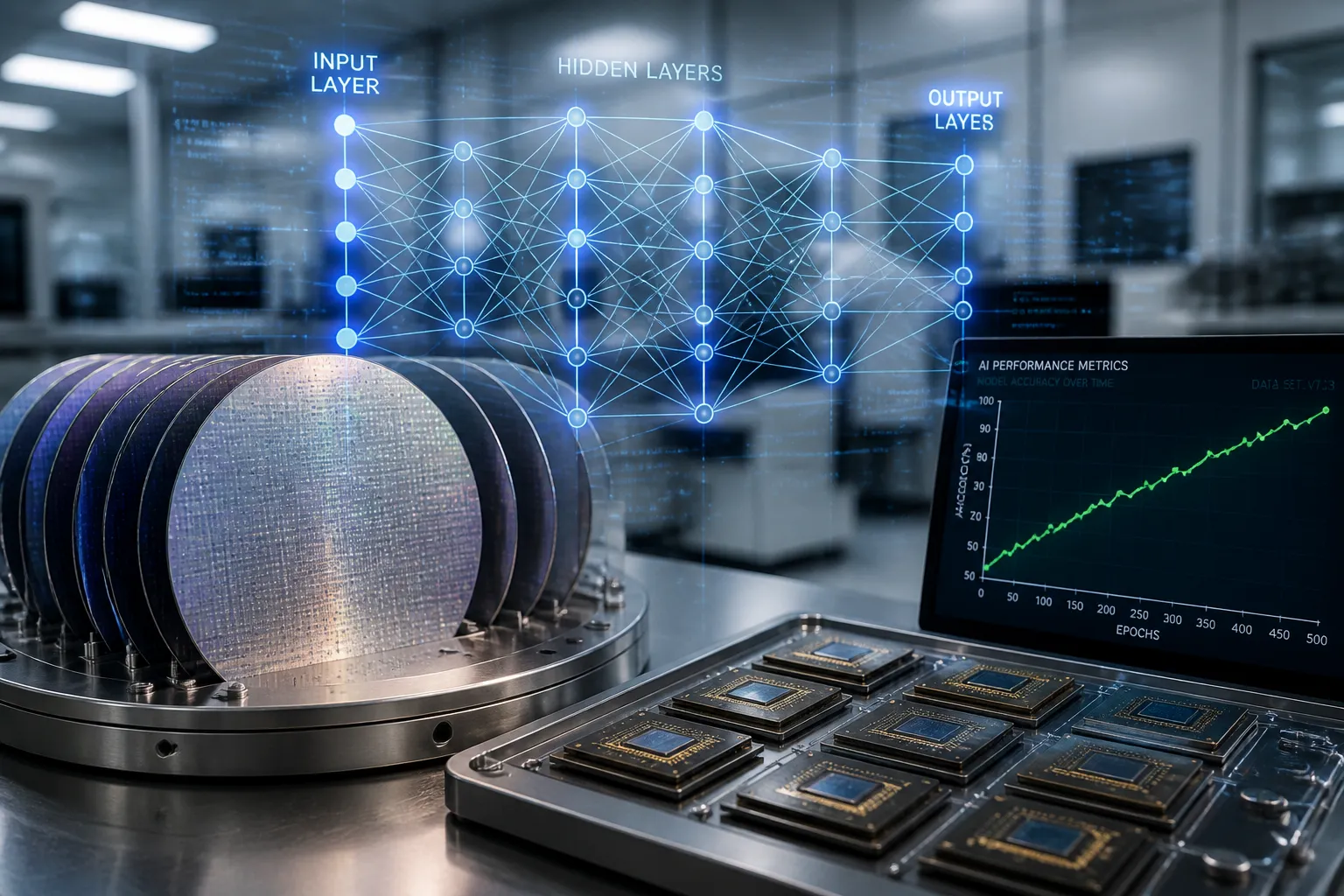
SK Hynix’s performance underscores the company’s strategic positioning. The firm’s HBM leadership has helped it dethrone Samsung as the DRAM king on the AI memory surge, according to a 2025 report. The company’s focus on packaging technology and research and development has enabled it to maintain a competitive moat in the high‑performance memory market.
In summary, the KOSPI’s historic decline reflects a broader pullback in the memory‑chip sector, while SK Hynix’s robust Q2 results and HBM leadership provide a counterpoint. Investors will watch the company’s forward‑earnings valuation and the trajectory of AI‑driven demand as indicators of whether the market can recover.
The current situation leaves several questions unresolved: whether the AI‑driven demand will sustain the near‑term growth, how the company will manage the expected moderation after 2028, and whether the market will adjust its valuation of memory‑chip stocks in light of the recent downturn.
SK Hynix, one of the world’s three largest DRAM and flash‑memory manufacturers, was a bright spot amid the sell‑off. The company’s shares had fallen 60 % earlier in the year before rebounding 30 % in a sharp turnaround. The rebound was confirmed by the company’s Q2 2026 earnings release, which reported revenue of KRW 79.3 trillion – a 51 % increase quarter‑on‑quarter and 257 % year‑on‑year – and operating income that rose 550 % from the same period last year.
The earnings call, held on July 28, 2026, highlighted SK Hynix’s leadership in high‑bandwidth memory (HBM). The company is the primary supplier of HBM4 for Nvidia’s Rubin platform and has shipped early HBM4E samples in mid‑2026. Analysts noted that the company’s long‑term supply agreements and the continued growth of AI‑driven DRAM demand support near‑term revenue expansion. However, the company cautioned that growth may moderate after 2028 as capital expenditures and revenue growth normalize.
Despite the strong results, SK Hynix’s shares fell after the announcement. The company’s forward‑earnings multiple is 4.6 ×, lower than that of its peer Micron, indicating that investors are aware of the normalization risks. The company’s management described the current price as a “durable bottom,” suggesting that the market may still have upside if the AI‑driven demand continues.
The KOSPI decline has had a ripple effect across the Korean market. Samsung Electronics, another member of the “Big Three,” saw its earnings miss analyst expectations, and the broader chip sector has experienced a slump that has led to concerns about crowded equity positions and rising corporate debt. The memory‑trade reversal has also prompted investors to reassess the valuation of companies tied to the AI infrastructure buildout.
SK Hynix’s performance underscores the company’s strategic positioning. The firm’s HBM leadership has helped it dethrone Samsung as the DRAM king on the AI memory surge, according to a 2025 report. The company’s focus on packaging technology and research and development has enabled it to maintain a competitive moat in the high‑performance memory market.
In summary, the KOSPI’s historic decline reflects a broader pullback in the memory‑chip sector, while SK Hynix’s robust Q2 results and HBM leadership provide a counterpoint. Investors will watch the company’s forward‑earnings valuation and the trajectory of AI‑driven demand as indicators of whether the market can recover.
The current situation leaves several questions unresolved: whether the AI‑driven demand will sustain the near‑term growth, how the company will manage the expected moderation after 2028, and whether the market will adjust its valuation of memory‑chip stocks in light of the recent downturn.