Blab Tech
Chinese Tech Firms Push Beyond Borders as Domestic Growth Slows
As the Chinese tech boom that once seemed boundless slows at home, firms are turning their sights outward. Chinese technology companies are now expanding into markets across Southeast Asia, the Middle East, Africa, Latin America, and parts of Europe, chasing growth as domestic competition tightens and growth stalls.
The push stems from a mix of forces. In China, the smartphone and electric‑vehicle markets are maturing, and giants such as Xiaomi and Huawei face fierce rivalry from other domestic players. According to Wikipedia, Xiaomi is the third‑largest smartphone seller worldwide as of 2025, while Huawei holds the largest share of the Chinese smartphone market at 18.1 %. With domestic demand plateauing, companies are looking for new revenue streams.
Southeast Asia has become a primary target. A report by Euromonitor International notes that Chinese consumer brands are expanding beyond electronics and electric vehicles into beauty, food service, and home appliances. The same report, citing ARC Group data, states that China’s exports to the region reached $587 billion in 2024, up 12 % year‑on‑year. The region’s large, growing populations and expanding digital economies offer attractive opportunities for affordable technology.
The Middle East, Africa, Latin America and parts of Europe also present growth prospects. These markets are characterized by increasing smartphone adoption, e‑commerce penetration, digital‑payment usage and demand for electric vehicles. Chinese firms are positioning themselves to capture these trends through competitive pricing and rapid innovation.
However, overseas expansion is not without challenges. Companies must navigate varying data‑privacy laws, technology regulations and trade restrictions. Geopolitical tensions add another layer of complexity; for example, the U.S. Federal Communications Commission banned the sale or import of Huawei‑made equipment in 2022, a restriction that has been mirrored by several other countries. Cybersecurity concerns also loom, as some governments question whether Chinese technology could enable state surveillance.
To overcome these hurdles, firms are adopting a multi‑pronged strategy. Competitive pricing remains a core advantage, enabled by China’s efficient manufacturing and supply‑chain networks. Rapid innovation and broad product ranges allow companies to tailor offerings to local preferences. Many are forming local partnerships, investing in research and development, and launching targeted marketing campaigns to build trust and brand recognition.
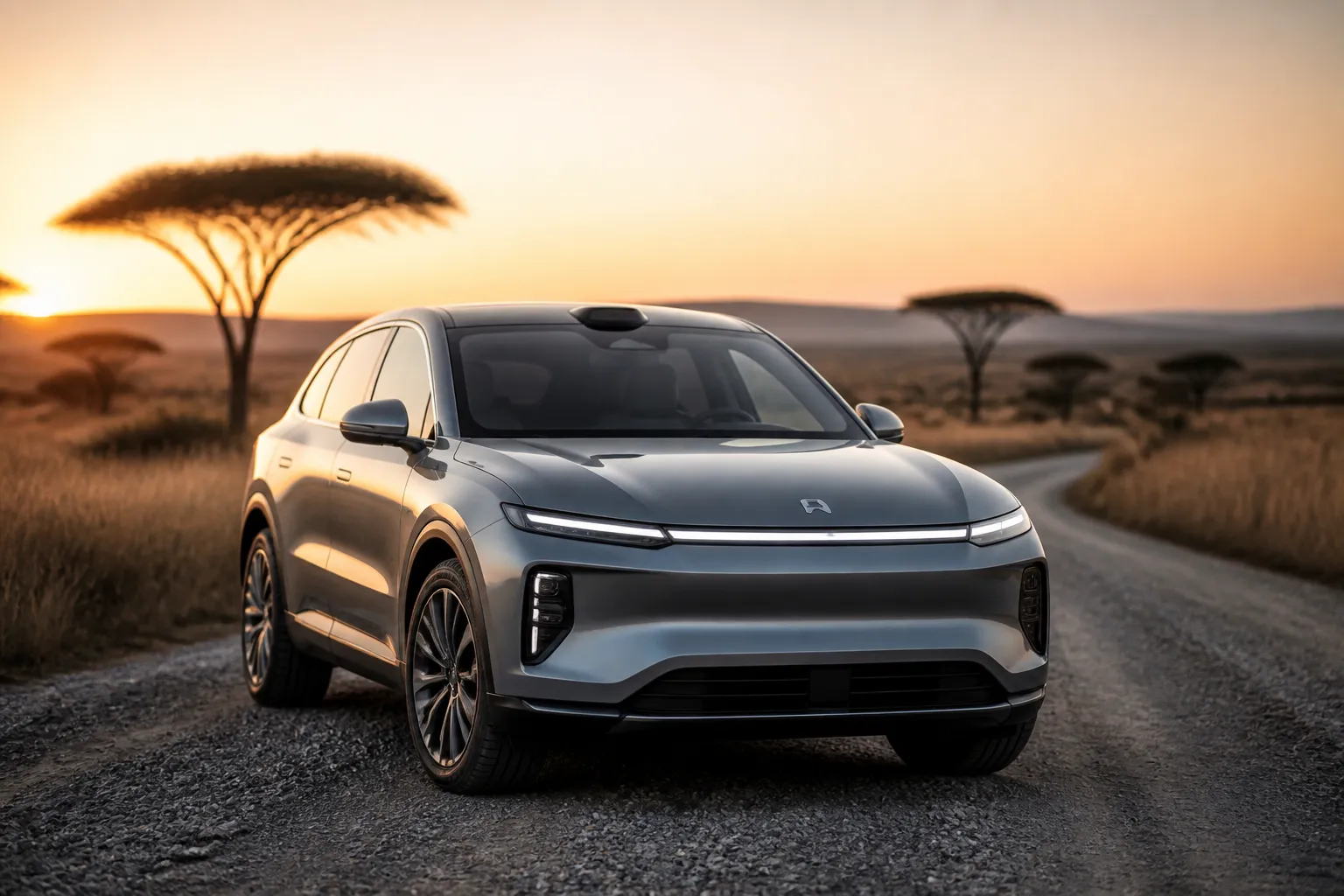
The global push also has broader industry implications. Chinese tech firms are increasingly competing with established international brands, reshaping supply chains and intensifying price competition. In the electric‑vehicle sector, companies such as BYD, NIO and Xpeng are challenging Tesla’s dominance by offering vehicles with comparable performance at lower prices.
Looking ahead, Chinese technology companies are preparing for a series of product launches and regulatory reviews. Xiaomi is set to roll out new smartphone models in early 2027, while Huawei plans to expand its 5G infrastructure portfolio in Southeast Asia. Alibaba is expected to announce further e‑commerce initiatives aimed at Latin American markets in the coming quarter. Meanwhile, ongoing U.S. trade investigations and European data‑protection reviews could affect the pace of expansion.
In summary, Chinese tech firms are actively seeking growth outside China to offset slowing domestic demand and fierce competition. While the strategy offers access to billions of new customers and diversified revenue streams, it also exposes companies to regulatory, geopolitical and competitive risks that will shape the trajectory of their international ambitions.
The push stems from a mix of forces. In China, the smartphone and electric‑vehicle markets are maturing, and giants such as Xiaomi and Huawei face fierce rivalry from other domestic players. According to Wikipedia, Xiaomi is the third‑largest smartphone seller worldwide as of 2025, while Huawei holds the largest share of the Chinese smartphone market at 18.1 %. With domestic demand plateauing, companies are looking for new revenue streams.
Southeast Asia has become a primary target. A report by Euromonitor International notes that Chinese consumer brands are expanding beyond electronics and electric vehicles into beauty, food service, and home appliances. The same report, citing ARC Group data, states that China’s exports to the region reached $587 billion in 2024, up 12 % year‑on‑year. The region’s large, growing populations and expanding digital economies offer attractive opportunities for affordable technology.
The Middle East, Africa, Latin America and parts of Europe also present growth prospects. These markets are characterized by increasing smartphone adoption, e‑commerce penetration, digital‑payment usage and demand for electric vehicles. Chinese firms are positioning themselves to capture these trends through competitive pricing and rapid innovation.
However, overseas expansion is not without challenges. Companies must navigate varying data‑privacy laws, technology regulations and trade restrictions. Geopolitical tensions add another layer of complexity; for example, the U.S. Federal Communications Commission banned the sale or import of Huawei‑made equipment in 2022, a restriction that has been mirrored by several other countries. Cybersecurity concerns also loom, as some governments question whether Chinese technology could enable state surveillance.
To overcome these hurdles, firms are adopting a multi‑pronged strategy. Competitive pricing remains a core advantage, enabled by China’s efficient manufacturing and supply‑chain networks. Rapid innovation and broad product ranges allow companies to tailor offerings to local preferences. Many are forming local partnerships, investing in research and development, and launching targeted marketing campaigns to build trust and brand recognition.
The global push also has broader industry implications. Chinese tech firms are increasingly competing with established international brands, reshaping supply chains and intensifying price competition. In the electric‑vehicle sector, companies such as BYD, NIO and Xpeng are challenging Tesla’s dominance by offering vehicles with comparable performance at lower prices.
Looking ahead, Chinese technology companies are preparing for a series of product launches and regulatory reviews. Xiaomi is set to roll out new smartphone models in early 2027, while Huawei plans to expand its 5G infrastructure portfolio in Southeast Asia. Alibaba is expected to announce further e‑commerce initiatives aimed at Latin American markets in the coming quarter. Meanwhile, ongoing U.S. trade investigations and European data‑protection reviews could affect the pace of expansion.
In summary, Chinese tech firms are actively seeking growth outside China to offset slowing domestic demand and fierce competition. While the strategy offers access to billions of new customers and diversified revenue streams, it also exposes companies to regulatory, geopolitical and competitive risks that will shape the trajectory of their international ambitions.