Blab Tech
Sonos Unveils Next-Generation Audio OS, AI Control, and Portable Surrounds
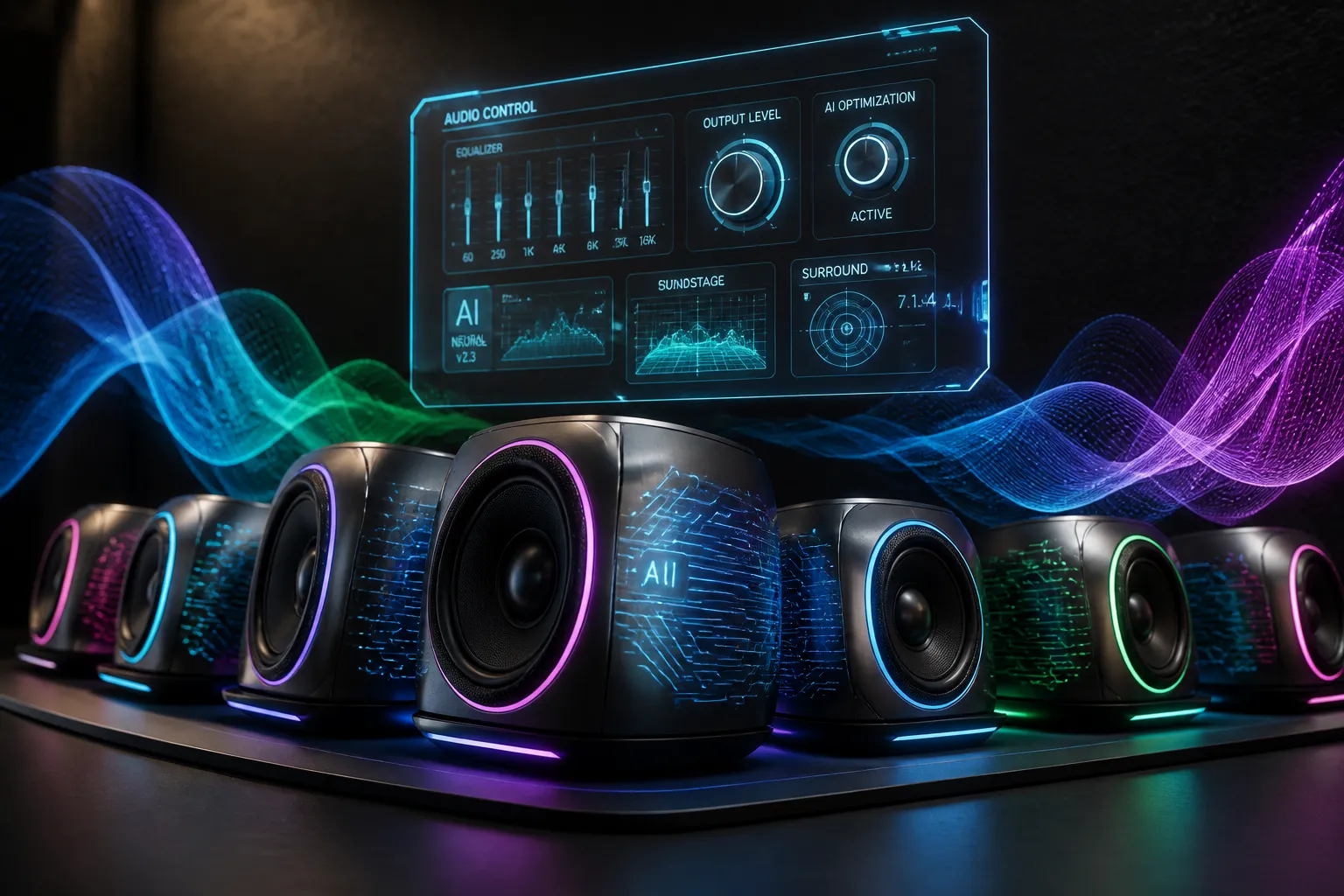
On September 1 2026, Son Tech announced that its forthcoming audio operating system—Sonos 27—will roll out as a free update to all devices running the S2 firmware. The update went live on September 8 and brings a redesigned mobile app, AI‑powered controls, and hardware‑agnostic features that let existing speakers double as rear‑channel units or personal headphones.
The announcement coincided with the launch of two new products: the Sonos Beam Ultra soundbar and the Sonos Ace Ultra headphones. In a statement, Sonos said the OS upgrade is a logical progression for its smart‑speaker ecosystem and a direct response to the 2024 Sonosgate security incident that had cast doubt on the company’s defensive posture.
The refreshed Sonos 27 app replaces the old navigation with three bottom‑tab options—Home, System, and Search—making it easier to locate settings, device status, and music libraries. Users can now adjust volume with a two‑finger swipe that mimics the tactile feel of a physical knob. The update also expands the number of Favorites pins, adds Siri and Shortcuts integration for iPhone and iPad, and introduces a new layout for the iPad app. According to the company, Live Activity support is already live on iPhone, and a comparable feature is slated for Android.
At the core of the new OS is Sonos Fabric, the service that enables devices to discover and coordinate with one another. Fabric now powers two notable features.
First, portable surrounds allow a pair of compatible portable speakers—either two Sonos Move 2 units or two Sonos Play units—to be positioned in a room with an Arc Ultra, Arc, Beam Ultra, or Beam Gen 2 soundbar. The system automatically configures the portable speakers as rear channels in a home‑theater setup. When the speakers are moved or taken outdoors, they revert to normal portable mode. The technology relies on high‑frequency audio signals that let each speaker detect its distance from the others and from the soundbar.
Second, headphone linking is exclusive to the new Ace Ultra headphones. The headphones can connect to a Sonos home system and route audio in both directions. With a single tap, the user can push sound to the nearest speaker or pull it back into the headphones. The feature uses a secure Headphone Engine 2 capability that lets the headphones move through the home without relying on Bluetooth.
Sonos 27mcp is an early‑access extensibility layer that lets users connect their Sonos system to external AI assistants such as Anthropic Claude and OpenAI’s ChatGPT. The feature is built on the Model Context Protocol (MCP), an open standard for linking AI to third‑party applications.
Later this fall, Sonos plans to introduce Sonos 27voice, its own AI assistant, and Sonos Custom Agents, which will allow customers to create multiple AI agents each with its own model, personality, and voice. Two additional app features—Presets, which let users save a speaker configuration, content, and volume, and System Health views—are also slated for release.
The update is available to all devices that run the Sonos S2 software, though feature availability varies by product. The rollout began on September 8, 2026, with early‑access features such as the 27mcp and portable surrounds already available.
In summary, Sonos is expanding its ecosystem by adding AI‑driven control, portable surround sound, and headphone linking to its existing product line. The company is positioning Sonos 27 as a platform that can grow over time, allowing current hardware to gain new capabilities without new devices. The next phases of the rollout will introduce a native voice assistant, custom AI agents, and additional system‑management tools.
The announcement coincided with the launch of two new products: the Sonos Beam Ultra soundbar and the Sonos Ace Ultra headphones. In a statement, Sonos said the OS upgrade is a logical progression for its smart‑speaker ecosystem and a direct response to the 2024 Sonosgate security incident that had cast doubt on the company’s defensive posture.
The refreshed Sonos 27 app replaces the old navigation with three bottom‑tab options—Home, System, and Search—making it easier to locate settings, device status, and music libraries. Users can now adjust volume with a two‑finger swipe that mimics the tactile feel of a physical knob. The update also expands the number of Favorites pins, adds Siri and Shortcuts integration for iPhone and iPad, and introduces a new layout for the iPad app. According to the company, Live Activity support is already live on iPhone, and a comparable feature is slated for Android.
At the core of the new OS is Sonos Fabric, the service that enables devices to discover and coordinate with one another. Fabric now powers two notable features.
First, portable surrounds allow a pair of compatible portable speakers—either two Sonos Move 2 units or two Sonos Play units—to be positioned in a room with an Arc Ultra, Arc, Beam Ultra, or Beam Gen 2 soundbar. The system automatically configures the portable speakers as rear channels in a home‑theater setup. When the speakers are moved or taken outdoors, they revert to normal portable mode. The technology relies on high‑frequency audio signals that let each speaker detect its distance from the others and from the soundbar.
Second, headphone linking is exclusive to the new Ace Ultra headphones. The headphones can connect to a Sonos home system and route audio in both directions. With a single tap, the user can push sound to the nearest speaker or pull it back into the headphones. The feature uses a secure Headphone Engine 2 capability that lets the headphones move through the home without relying on Bluetooth.
Sonos 27mcp is an early‑access extensibility layer that lets users connect their Sonos system to external AI assistants such as Anthropic Claude and OpenAI’s ChatGPT. The feature is built on the Model Context Protocol (MCP), an open standard for linking AI to third‑party applications.
Later this fall, Sonos plans to introduce Sonos 27voice, its own AI assistant, and Sonos Custom Agents, which will allow customers to create multiple AI agents each with its own model, personality, and voice. Two additional app features—Presets, which let users save a speaker configuration, content, and volume, and System Health views—are also slated for release.
The update is available to all devices that run the Sonos S2 software, though feature availability varies by product. The rollout began on September 8, 2026, with early‑access features such as the 27mcp and portable surrounds already available.
In summary, Sonos is expanding its ecosystem by adding AI‑driven control, portable surround sound, and headphone linking to its existing product line. The company is positioning Sonos 27 as a platform that can grow over time, allowing current hardware to gain new capabilities without new devices. The next phases of the rollout will introduce a native voice assistant, custom AI agents, and additional system‑management tools.