Blab Tech
XREAL Aura: Lightweight Hybrid AR/VR Glasses Set for Fall 2026 Launch
XREAL has revealed the Aura, a pair of hybrid augmented‑reality (AR) and virtual‑reality (VR) glasses that weigh less than 95 grams and are slated for a fall 2026 retail release. The device marries Sony micro‑OLED displays, Qualcomm’s Snapdragon Reality Elite platform, and Android XR software into a sunglasses‑style headset that the company says can run games, stream video, and support productivity apps.
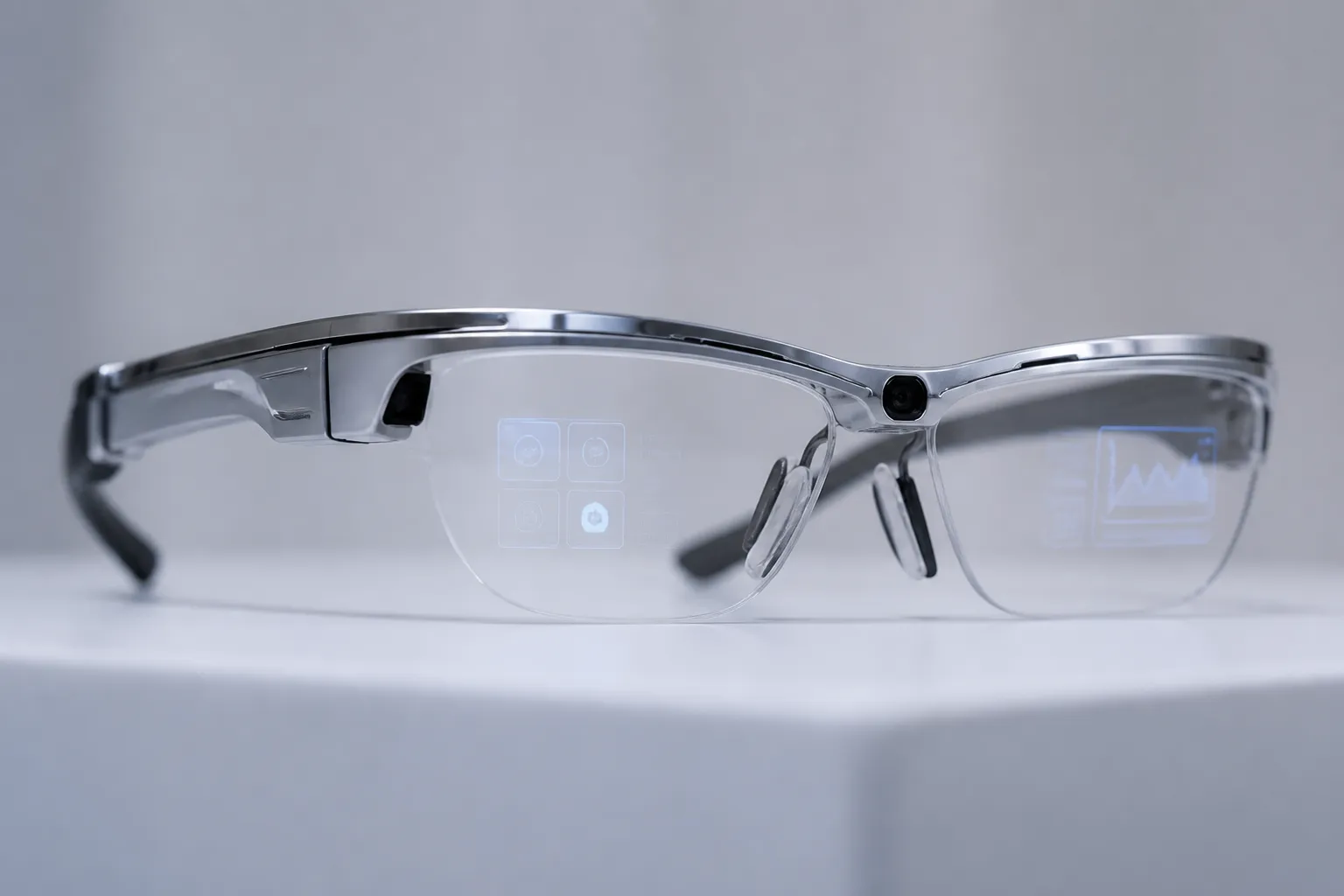
The Aura’s form factor is deliberately minimal. Adjustable arms and nose pads let users secure a comfortable fit for extended sessions, while prism lenses project digital imagery directly into the wearer’s field of view. Electrochromic dimming technology lets the glasses adapt to lighting conditions from bright daylight to dim rooms, and the lightweight construction is intended to reduce neck strain compared to bulkier VR headsets.
Each eye is served by a Sony micro‑OLED panel that delivers 1920 × 1200 pixels and a 120 Hz refresh rate. The 70° field of view is modest compared to some high‑end VR headsets, but the high resolution and fast refresh are designed to reduce motion blur and eye fatigue. A five‑step dimming system allows users to adjust brightness for indoor or outdoor use.
Powering the Aura is Qualcomm’s Snapdragon Reality Elite system‑on‑chip paired with XREAL’s own X1S processor. The combination supports six degrees of freedom (6DoF) tracking, hand‑tracking, and object anchoring, enabling users to move naturally within virtual spaces. The device can run multiple apps simultaneously, a capability that Android XR supports through its multitasking framework.
Bose‑tuned open‑air speakers provide spatial audio without the need for headphones. The speakers are designed to minimize sound leakage, making the Aura suitable for shared workspaces.
A compact processing puck sits behind the lenses and handles battery management, connectivity, and input. The puck includes a built‑in trackpad, two USB‑C ports, and Bluetooth support. Users have reported that the puck can generate heat during extended use, which may affect comfort.
The Aura runs Android XR, an operating system built for extended‑reality devices. Android XR allows developers to create both flat and XR‑specific applications, and the Aura includes the Gemini AI assistant for voice control and app management. XREAL has partnered with Google on the Aura, and the device is expected to benefit from the growing Android XR ecosystem. However, the success of the headset will depend on the availability of engaging XR apps and on the maturity of the developer community.
Several limitations are noted in the current build. Vertical screen real estate is limited, which may constrain certain types of content. Battery life is not yet disclosed, and early reviewers have flagged it as a potential issue for longer sessions. The device also lacks storage expansion, which could deter users who want to install many apps or media files.
XREAL has positioned the Aura as a premium device with a price tag under $1,500. Pre‑orders are open in select regions and require a $99 reservation fee. The headset is marketed as a more affordable alternative to high‑end AR/VR headsets such as Apple’s Vision Pro, and it is expected to compete with other hybrid offerings like the HTC Vive XR Elite.
As of July 2026, the Aura is still in the pre‑order phase. XREAL has not yet released detailed battery specifications or a full list of supported apps. The company’s focus remains on expanding the Android XR ecosystem and on delivering a reliable, comfortable user experience. The fall 2026 launch date remains unchanged, and the device’s success will hinge on the growth of XR content and on consumer acceptance of a lightweight, hybrid headset.
The Aura’s form factor is deliberately minimal. Adjustable arms and nose pads let users secure a comfortable fit for extended sessions, while prism lenses project digital imagery directly into the wearer’s field of view. Electrochromic dimming technology lets the glasses adapt to lighting conditions from bright daylight to dim rooms, and the lightweight construction is intended to reduce neck strain compared to bulkier VR headsets.
Each eye is served by a Sony micro‑OLED panel that delivers 1920 × 1200 pixels and a 120 Hz refresh rate. The 70° field of view is modest compared to some high‑end VR headsets, but the high resolution and fast refresh are designed to reduce motion blur and eye fatigue. A five‑step dimming system allows users to adjust brightness for indoor or outdoor use.
Powering the Aura is Qualcomm’s Snapdragon Reality Elite system‑on‑chip paired with XREAL’s own X1S processor. The combination supports six degrees of freedom (6DoF) tracking, hand‑tracking, and object anchoring, enabling users to move naturally within virtual spaces. The device can run multiple apps simultaneously, a capability that Android XR supports through its multitasking framework.
Bose‑tuned open‑air speakers provide spatial audio without the need for headphones. The speakers are designed to minimize sound leakage, making the Aura suitable for shared workspaces.
A compact processing puck sits behind the lenses and handles battery management, connectivity, and input. The puck includes a built‑in trackpad, two USB‑C ports, and Bluetooth support. Users have reported that the puck can generate heat during extended use, which may affect comfort.
The Aura runs Android XR, an operating system built for extended‑reality devices. Android XR allows developers to create both flat and XR‑specific applications, and the Aura includes the Gemini AI assistant for voice control and app management. XREAL has partnered with Google on the Aura, and the device is expected to benefit from the growing Android XR ecosystem. However, the success of the headset will depend on the availability of engaging XR apps and on the maturity of the developer community.
Several limitations are noted in the current build. Vertical screen real estate is limited, which may constrain certain types of content. Battery life is not yet disclosed, and early reviewers have flagged it as a potential issue for longer sessions. The device also lacks storage expansion, which could deter users who want to install many apps or media files.
XREAL has positioned the Aura as a premium device with a price tag under $1,500. Pre‑orders are open in select regions and require a $99 reservation fee. The headset is marketed as a more affordable alternative to high‑end AR/VR headsets such as Apple’s Vision Pro, and it is expected to compete with other hybrid offerings like the HTC Vive XR Elite.
As of July 2026, the Aura is still in the pre‑order phase. XREAL has not yet released detailed battery specifications or a full list of supported apps. The company’s focus remains on expanding the Android XR ecosystem and on delivering a reliable, comfortable user experience. The fall 2026 launch date remains unchanged, and the device’s success will hinge on the growth of XR content and on consumer acceptance of a lightweight, hybrid headset.