ImmunityProject.org and the Early Vision of Machine Learning-Powered Vaccine Development
Long before artificial intelligence became a mainstream topic in healthcare, a small nonprofit project set out to use machine learning to tackle one of medicine's most difficult challenges: developing an HIV vaccine.
ImmunityProject.org, known as the Immunity Project, emerged in the early 2010s with an ambitious goal. Backed by startup accelerator Y Combinator, the organization sought to create a free synthetic HIV vaccine by studying a rare group of individuals known as "HIV controllers"—people whose immune systems naturally suppress the virus without progressing to AIDS. The project combined biotechnology, computational analysis, and machine learning in an effort to reverse engineer how these individuals were able to control HIV infection.
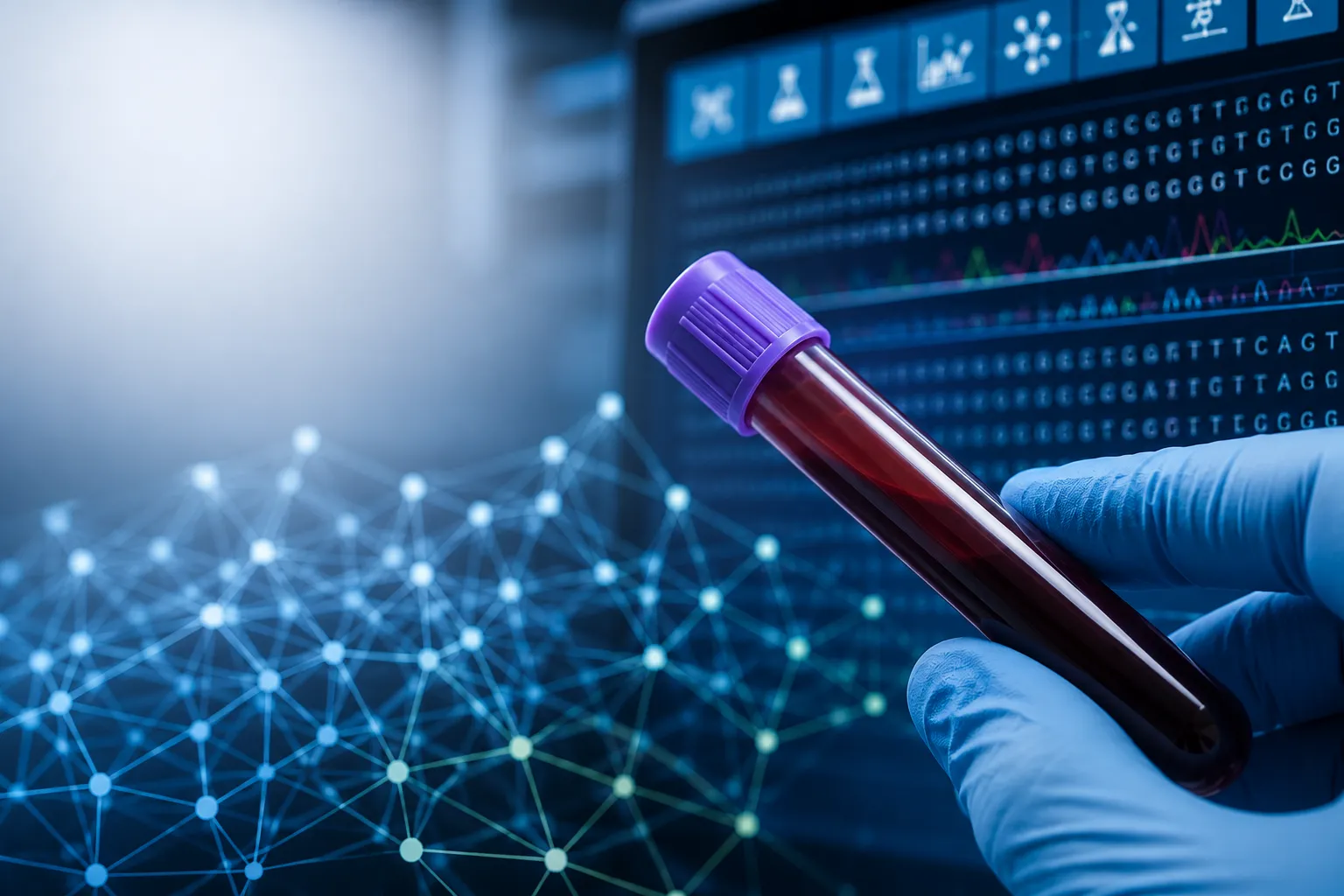
At a time when artificial intelligence was still largely viewed as a niche technology, the Immunity Project represented an early example of what would later become a major trend: applying advanced computing to biological discovery. Researchers associated with the initiative used machine-learning techniques to analyze large datasets containing information about HIV genetics and immune-system responses. Their objective was to identify the specific viral targets recognized by HIV controllers and design a vaccine capable of teaching other immune systems to recognize those same targets.
The project's approach attracted attention throughout the technology community. Y Combinator accepted the Immunity Project into its Winter 2014 batch, making it one of the first nonprofit organizations to participate in the influential startup accelerator. At the time, Y Combinator partners described the initiative as the type of unconventional idea that demonstrated how software and data science could potentially reshape fields traditionally dominated by large pharmaceutical organizations.
What made the project particularly notable was its mission-driven structure. Unlike most biotechnology ventures, the Immunity Project stated that its ultimate goal was to provide a successful vaccine free of charge to people worldwide. The organization explored crowdfunding alongside traditional support from technology and research communities, reflecting a belief that major medical breakthroughs could emerge from alternative funding models.
The initiative also highlighted a broader shift occurring within scientific research. Rather than relying solely on conventional laboratory experimentation, researchers increasingly began incorporating computational methods capable of uncovering patterns hidden within massive biological datasets. Today, that approach has become commonplace across drug discovery, genomics, immunology, and precision medicine. AI-driven research platforms are now used by startups, universities, and pharmaceutical companies around the world. In many ways, projects like ImmunityProject.org helped demonstrate the potential of combining machine learning with biological science years before the current AI boom.
While the healthcare and AI industries have evolved dramatically since the project's launch, ImmunityProject.org remains an interesting chapter in the history of applied artificial intelligence. The organization's vision reflected a belief that algorithms could help researchers understand complex biological systems faster than traditional methods alone, a concept that has since become a central theme in modern biotech innovation.
Today, AI-powered healthcare research spans everything from protein folding and drug discovery to personalized medicine and immune-system modeling. The technologies have become more sophisticated, the datasets larger, and the computing power dramatically greater. Yet the underlying idea remains remarkably similar to what the Immunity Project proposed more than a decade ago: use machine learning to uncover biological insights that might otherwise remain hidden.
As artificial intelligence continues to transform healthcare, projects like ImmunityProject.org serve as reminders that some of the earliest innovators saw the potential of combining software, data, and medical science long before the rest of the industry caught up.