Blab Tech
VisionWave to Invest $17.5 Million in Foresight, Showcasing 3D Perception Tech at Eurosatory 2026
VisionWave Holdings, Inc. (Nasdaq: VWAV) announced on 16 June 2026 that it will invest up to $17.5 million in Foresight Autonomous Holdings Ltd. (Nasdaq and TASE: FRSX). In return, VisionWave could acquire a 52 percent controlling stake, subject to regulatory, stock‑exchange and shareholder approvals. The deal will unfold in two stages: VisionWave will first receive 46 percent of Foresight’s issued and outstanding ordinary shares, followed by an additional 6 percent in a second tranche.
The capital injection is earmarked for blending Foresight’s multi‑spectral 3D perception suite—comprising stereo vision, thermal imaging and neuromorphic sensing—into VisionWave’s VARAN™ autonomous ground vehicle (UGV) and its broader expeditionary autonomy ecosystem. The integrated system will take center stage at Eurosatory 2026, the biennial defence‑security exhibition held from 15 to 19 June at the Paris‑Nord Villepinte Exhibition Centre.
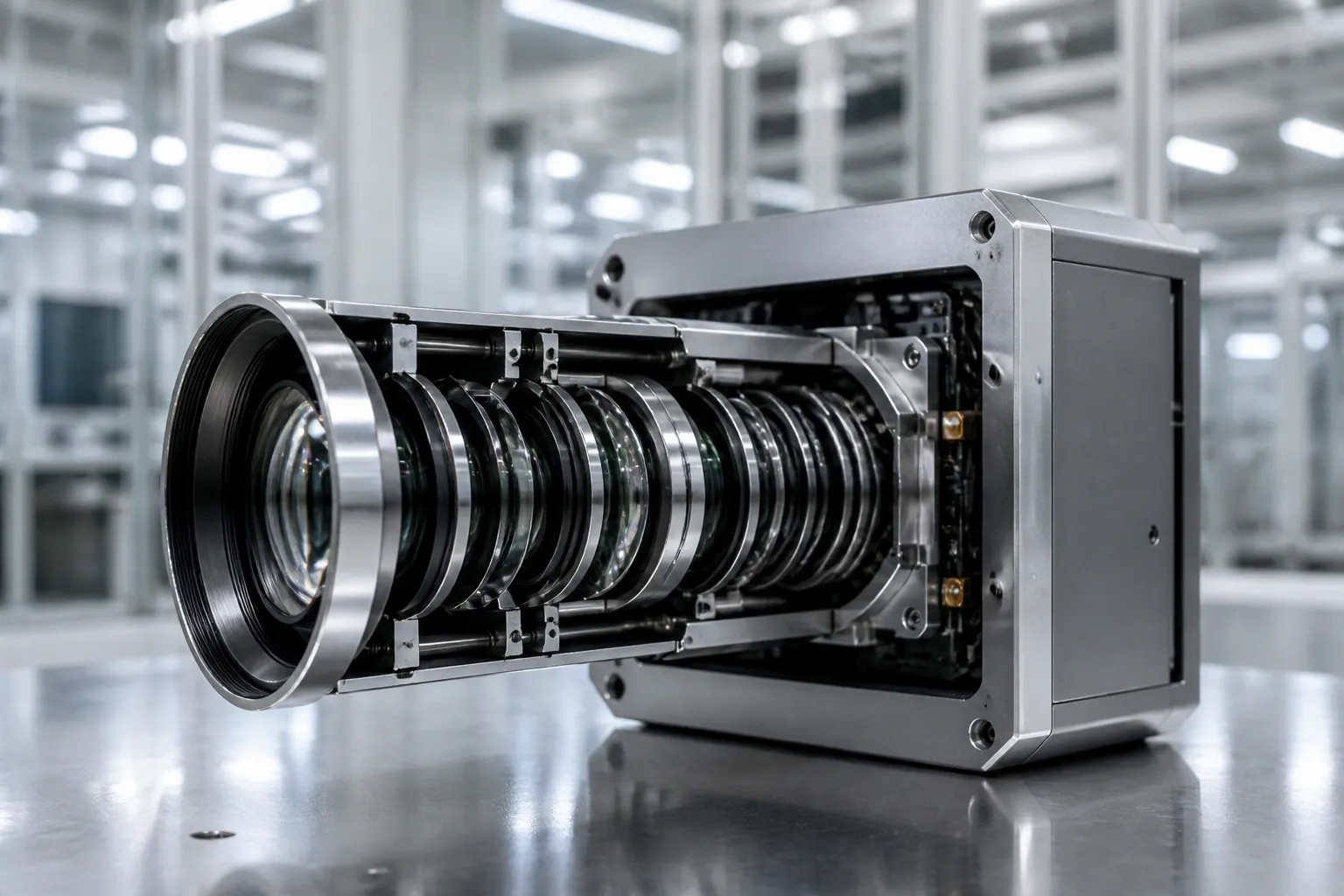
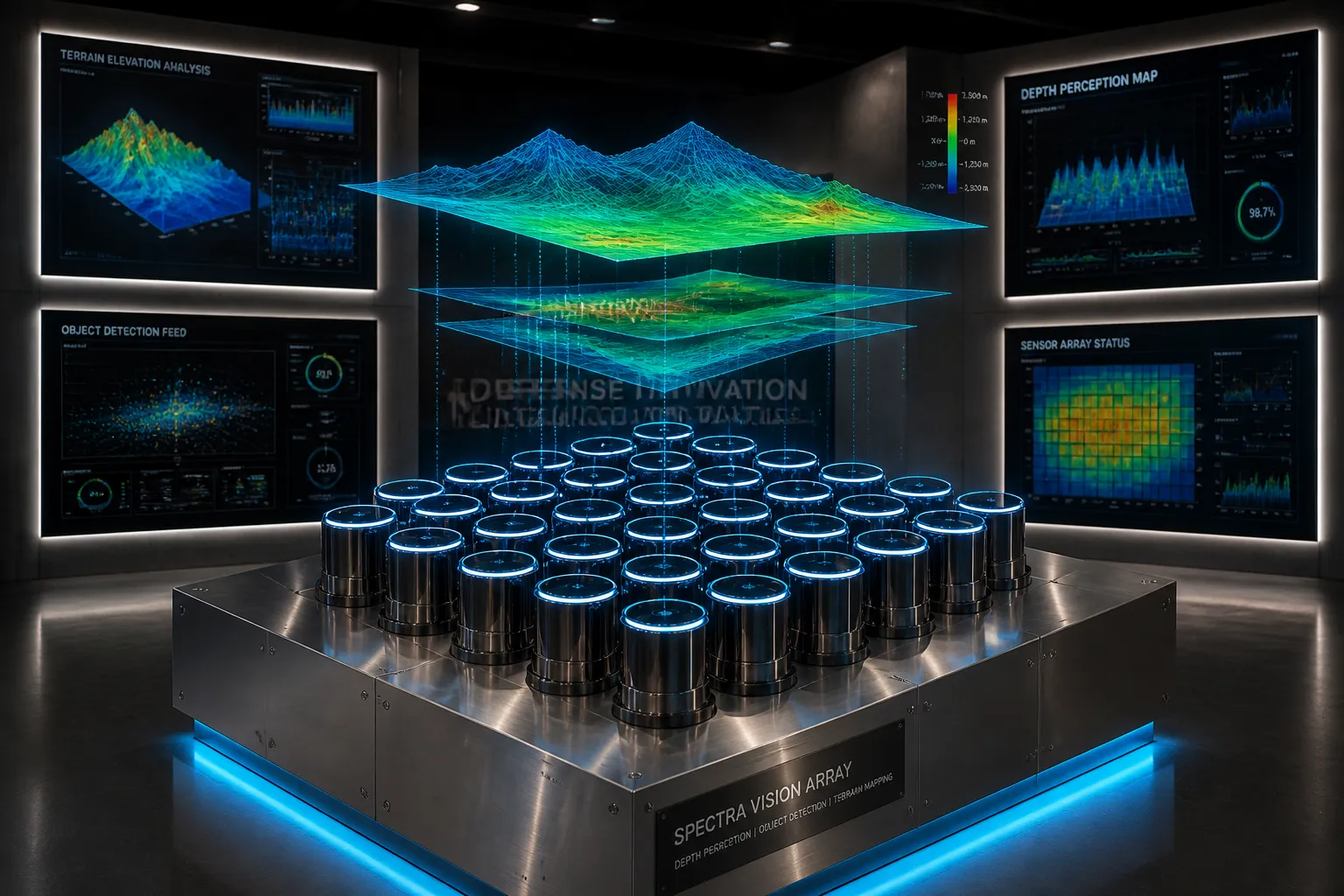
Foresight’s perception stack relies on automotive‑grade hardware. Visible‑light and infrared stereo cameras generate dense 3‑D point clouds, while thermal sensors supply temperature maps that aid target identification in low‑visibility conditions. Neuromorphic sensors add event‑based data that can improve reaction times in dynamic environments. When combined with VisionWave’s radio‑frequency (RF) sensing and artificial‑intelligence analytics, the platform is designed to deliver real‑time obstacle avoidance, navigation and target identification for counter‑unmanned aerial systems (UAS) and other tactical unmanned systems.
"We are excited to demonstrate how Foresight’s mature 3D perception technologies are enhancing VisionWave’s autonomous systems at Eurosatory 2026," said Haim Siboni, chief executive officer of Foresight, in a press release dated 16 June 2026.
The partnership follows a series of recent commercial agreements that showcase Foresight’s strategy of leveraging its automotive heritage to accelerate entry into defence and security markets. In late April, Foresight signed a proof‑of‑concept deal with a leading European automotive manufacturer to test its stereo‑vision AI in a vehicle‑to‑everything (V2X) scenario. In May, the company entered a Japanese agreement that could generate up to $10.5 million in software‑license revenue from approximately 400,000 units.
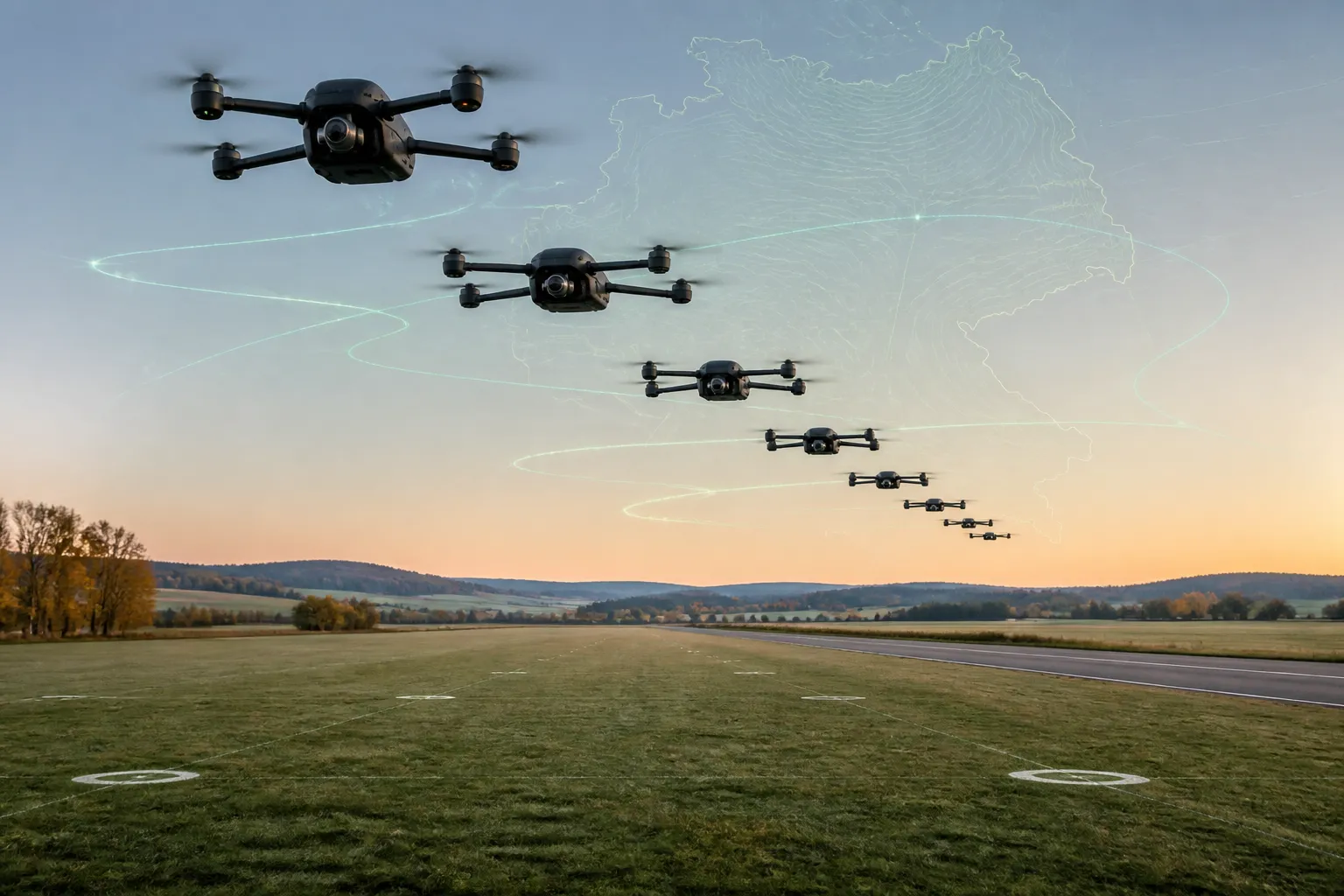
VisionWave’s VARAN UGV is engineered for autonomous operation in GPS‑denied and contested environments. Its modular architecture supports a range of payloads—including sensors, weapons and logistics modules—allowing the platform to adapt to diverse mission profiles. By integrating Foresight’s perception suite, VisionWave aims to enhance the vehicle’s situational awareness and reduce reliance on external positioning systems.
The investment remains contingent on approvals. According to the press release, the transaction will close once the necessary regulatory and shareholder consents are obtained, though no specific timeline for completion was provided.
On the day of the announcement, Foresight’s shares traded at $1.62 on the Nasdaq and TASE, below the 200‑day moving average of $4.20 and 86.92 percent below the 52‑week high of $12.39. The company’s market capitalization is approximately $34 million post‑investment, reflecting the valuation implied by the $17.5 million stake.
Analysts note that combining automotive‑grade hardware with RF and AI analytics could shorten development cycles for autonomous systems that demand robust performance in degraded or contested environments. The companies plan to provide live or simulated demonstrations of the VARAN platform during Eurosatory, allowing attendees to observe real‑time 3‑D environmental mapping, obstacle avoidance and target identification performed by the integrated sensors.
In short, VisionWave’s planned $17.5 million investment in Foresight is a strategic move to merge automotive‑grade 3‑D perception with a proven autonomous ground platform. The partnership will be showcased at Eurosatory 2026, and the transaction will close once regulatory and shareholder approvals are secured. The deal is expected to accelerate the deployment of autonomous systems capable of operating in GPS‑denied and contested environments, potentially expanding both companies’ footprints in the defence and security market.
The capital injection is earmarked for blending Foresight’s multi‑spectral 3D perception suite—comprising stereo vision, thermal imaging and neuromorphic sensing—into VisionWave’s VARAN™ autonomous ground vehicle (UGV) and its broader expeditionary autonomy ecosystem. The integrated system will take center stage at Eurosatory 2026, the biennial defence‑security exhibition held from 15 to 19 June at the Paris‑Nord Villepinte Exhibition Centre.
Foresight’s perception stack relies on automotive‑grade hardware. Visible‑light and infrared stereo cameras generate dense 3‑D point clouds, while thermal sensors supply temperature maps that aid target identification in low‑visibility conditions. Neuromorphic sensors add event‑based data that can improve reaction times in dynamic environments. When combined with VisionWave’s radio‑frequency (RF) sensing and artificial‑intelligence analytics, the platform is designed to deliver real‑time obstacle avoidance, navigation and target identification for counter‑unmanned aerial systems (UAS) and other tactical unmanned systems.
"We are excited to demonstrate how Foresight’s mature 3D perception technologies are enhancing VisionWave’s autonomous systems at Eurosatory 2026," said Haim Siboni, chief executive officer of Foresight, in a press release dated 16 June 2026.
The partnership follows a series of recent commercial agreements that showcase Foresight’s strategy of leveraging its automotive heritage to accelerate entry into defence and security markets. In late April, Foresight signed a proof‑of‑concept deal with a leading European automotive manufacturer to test its stereo‑vision AI in a vehicle‑to‑everything (V2X) scenario. In May, the company entered a Japanese agreement that could generate up to $10.5 million in software‑license revenue from approximately 400,000 units.
VisionWave’s VARAN UGV is engineered for autonomous operation in GPS‑denied and contested environments. Its modular architecture supports a range of payloads—including sensors, weapons and logistics modules—allowing the platform to adapt to diverse mission profiles. By integrating Foresight’s perception suite, VisionWave aims to enhance the vehicle’s situational awareness and reduce reliance on external positioning systems.
The investment remains contingent on approvals. According to the press release, the transaction will close once the necessary regulatory and shareholder consents are obtained, though no specific timeline for completion was provided.
On the day of the announcement, Foresight’s shares traded at $1.62 on the Nasdaq and TASE, below the 200‑day moving average of $4.20 and 86.92 percent below the 52‑week high of $12.39. The company’s market capitalization is approximately $34 million post‑investment, reflecting the valuation implied by the $17.5 million stake.
Analysts note that combining automotive‑grade hardware with RF and AI analytics could shorten development cycles for autonomous systems that demand robust performance in degraded or contested environments. The companies plan to provide live or simulated demonstrations of the VARAN platform during Eurosatory, allowing attendees to observe real‑time 3‑D environmental mapping, obstacle avoidance and target identification performed by the integrated sensors.
In short, VisionWave’s planned $17.5 million investment in Foresight is a strategic move to merge automotive‑grade 3‑D perception with a proven autonomous ground platform. The partnership will be showcased at Eurosatory 2026, and the transaction will close once regulatory and shareholder approvals are secured. The deal is expected to accelerate the deployment of autonomous systems capable of operating in GPS‑denied and contested environments, potentially expanding both companies’ footprints in the defence and security market.