Blab Tech
TechPowerUp Releases GPU-Z 2.70.0 With Kernel-Driver Security Fix and Expanded GPU Support
TechPowerUp has released version 2.70.0 of GPU‑Z, its popular GPU information and monitoring utility, on 16 June 2026. The update focuses on improving the security of the kernel‑mode driver that the program uses to read low‑level hardware data. In addition, the new release adds support for several recent graphics processors from Qualcomm, Intel and NVIDIA.
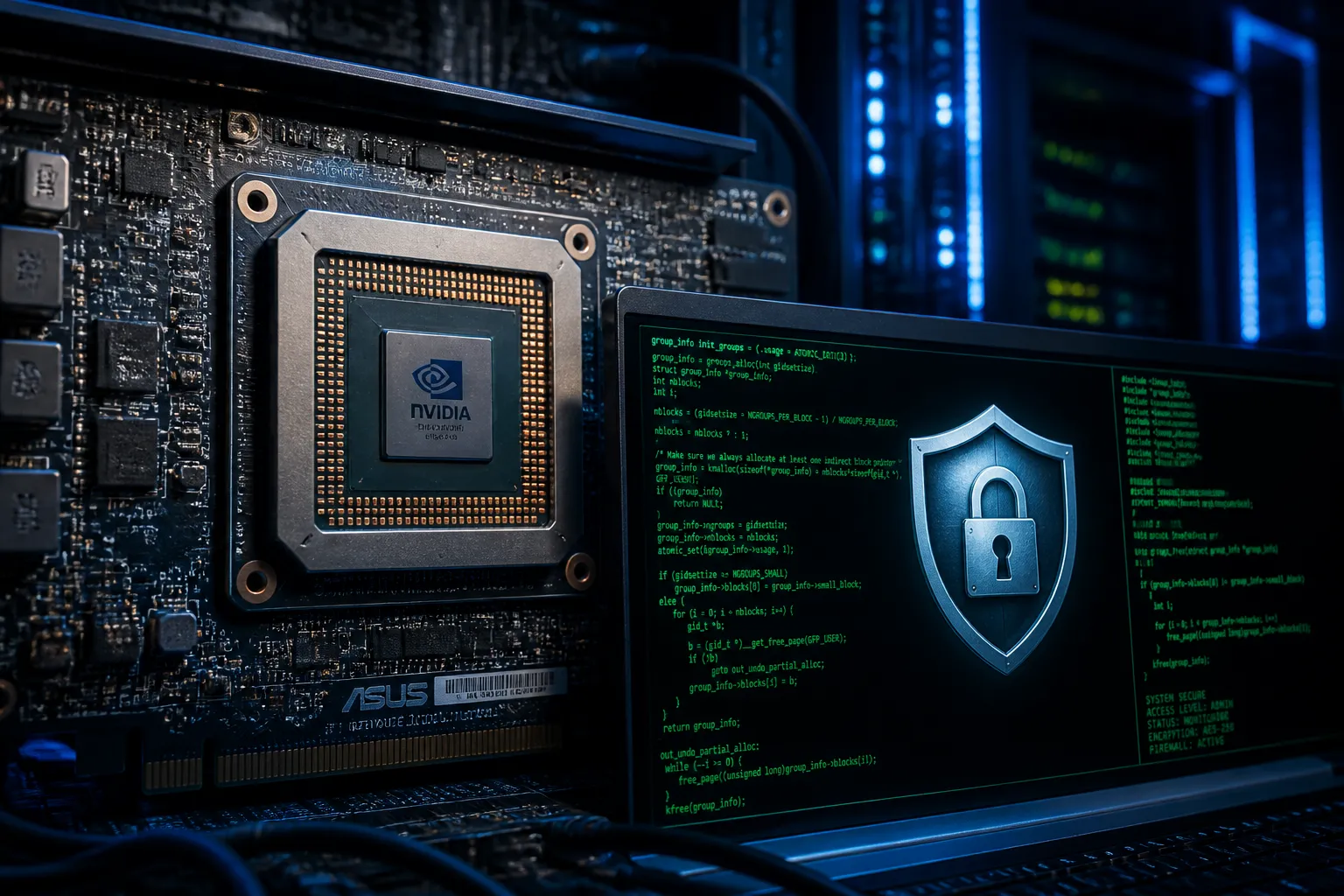
GPU‑Z has long relied on a kernel‑mode driver to access GPU registers and memory. Because kernel drivers run with full system privileges, any flaw can potentially be exploited to gain elevated access. The first entry in the 2.70.0 changelog is a “kernel driver security” improvement, and TechPowerUp urges users to install the update. The release notes do not list a CVE identifier, so the exact change is not confirmed.
The update follows a series of reports that highlighted security concerns with TechPowerUp’s low‑level drivers. In April 2026, researchers identified a flaw in TRIXX.sys, a driver signed by TechPowerUp and used by both GPU‑Z and Sapphire TRIXX. The flaw allowed unrestricted hardware access from user mode through a set of IOCTL calls that performed no validation of parameters. TechPowerUp confirmed awareness of the issue and invited security researchers to provide further details. Earlier versions of GPU‑Z had already addressed driver‑related vulnerabilities: 2.67.0 added a new low‑level driver to mitigate potential security problems, 2.68.0 tightened file‑security checks during unpacking, and 2.69.0 improved kernel‑mode driver stability.
The 2.70.0 release also expands GPU coverage. Qualcomm now sees support for the Adreno 741, Snapdragon X2 Elite, Adreno 778G and Adreno 782G integrated GPUs. The update includes die‑size information for the Adreno 741. Intel support is broadened to the Arc Pro B70, Arc Pro B65, A60 ES and Alder Lake ES chips. NVIDIA users gain visibility for the RTX 6000D, RTX Pro 500 Blackwell Embedded, Tesla V100‑DGXS‑32GB and PG500‑216 GPUs.
The addition of new hardware is typical for GPU‑Z, which regularly updates its database to keep pace with the rapid release cycle of GPU manufacturers. The kernel‑mode driver remains the same core component, but each release includes small patches that tighten security checks, improve stability and add new IOCTL handlers for newer chips.
Security analysts note that kernel‑mode drivers are a common target for attackers because they can bypass user‑mode restrictions. The fact that TechPowerUp’s driver has been the subject of multiple reports underscores the importance of timely updates. TechPowerUp’s public statement encourages researchers to submit detailed findings, but the company has not released a formal advisory or CVE number.
Users of GPU‑Z are advised to download the latest version from TechPowerUp’s website. The installer includes the updated driver and a new database of GPU specifications. Because the driver runs in kernel space, the installer requires administrative privileges.
The release comes at a time when Windows security teams have been tightening kernel‑mode driver signing requirements. Microsoft’s recent updates to the Windows Driver Frameworks have made it harder for unsigned or improperly signed drivers to load. In that context, TechPowerUp’s focus on driver security aligns with broader industry trends.
In summary, GPU‑Z 2.70.0 delivers a kernel‑driver security patch and adds support for a range of new GPUs from Qualcomm, Intel and NVIDIA. The update follows earlier driver fixes and addresses concerns raised by security researchers about the TRIXX.sys driver. Users are encouraged to install the new version to benefit from the improved security posture and expanded hardware coverage.
The current situation is that TechPowerUp has released the update, no CVE has been assigned, and the company is open to further research. No regulatory action or court proceedings are associated with the release. The next major update for GPU‑Z is not announced, but the utility will likely continue to receive incremental driver and database updates as new GPUs enter the market.
GPU‑Z has long relied on a kernel‑mode driver to access GPU registers and memory. Because kernel drivers run with full system privileges, any flaw can potentially be exploited to gain elevated access. The first entry in the 2.70.0 changelog is a “kernel driver security” improvement, and TechPowerUp urges users to install the update. The release notes do not list a CVE identifier, so the exact change is not confirmed.
The update follows a series of reports that highlighted security concerns with TechPowerUp’s low‑level drivers. In April 2026, researchers identified a flaw in TRIXX.sys, a driver signed by TechPowerUp and used by both GPU‑Z and Sapphire TRIXX. The flaw allowed unrestricted hardware access from user mode through a set of IOCTL calls that performed no validation of parameters. TechPowerUp confirmed awareness of the issue and invited security researchers to provide further details. Earlier versions of GPU‑Z had already addressed driver‑related vulnerabilities: 2.67.0 added a new low‑level driver to mitigate potential security problems, 2.68.0 tightened file‑security checks during unpacking, and 2.69.0 improved kernel‑mode driver stability.
The 2.70.0 release also expands GPU coverage. Qualcomm now sees support for the Adreno 741, Snapdragon X2 Elite, Adreno 778G and Adreno 782G integrated GPUs. The update includes die‑size information for the Adreno 741. Intel support is broadened to the Arc Pro B70, Arc Pro B65, A60 ES and Alder Lake ES chips. NVIDIA users gain visibility for the RTX 6000D, RTX Pro 500 Blackwell Embedded, Tesla V100‑DGXS‑32GB and PG500‑216 GPUs.
The addition of new hardware is typical for GPU‑Z, which regularly updates its database to keep pace with the rapid release cycle of GPU manufacturers. The kernel‑mode driver remains the same core component, but each release includes small patches that tighten security checks, improve stability and add new IOCTL handlers for newer chips.
Security analysts note that kernel‑mode drivers are a common target for attackers because they can bypass user‑mode restrictions. The fact that TechPowerUp’s driver has been the subject of multiple reports underscores the importance of timely updates. TechPowerUp’s public statement encourages researchers to submit detailed findings, but the company has not released a formal advisory or CVE number.
Users of GPU‑Z are advised to download the latest version from TechPowerUp’s website. The installer includes the updated driver and a new database of GPU specifications. Because the driver runs in kernel space, the installer requires administrative privileges.
The release comes at a time when Windows security teams have been tightening kernel‑mode driver signing requirements. Microsoft’s recent updates to the Windows Driver Frameworks have made it harder for unsigned or improperly signed drivers to load. In that context, TechPowerUp’s focus on driver security aligns with broader industry trends.
In summary, GPU‑Z 2.70.0 delivers a kernel‑driver security patch and adds support for a range of new GPUs from Qualcomm, Intel and NVIDIA. The update follows earlier driver fixes and addresses concerns raised by security researchers about the TRIXX.sys driver. Users are encouraged to install the new version to benefit from the improved security posture and expanded hardware coverage.
The current situation is that TechPowerUp has released the update, no CVE has been assigned, and the company is open to further research. No regulatory action or court proceedings are associated with the release. The next major update for GPU‑Z is not announced, but the utility will likely continue to receive incremental driver and database updates as new GPUs enter the market.