Blab Tech
Anthropics U.S. Export-Control Order Highlights South Koreas Push for AI Sovereignty
In mid‑June, a U.S. export‑control order forced Anthropic to pull its most advanced large‑language models from service for anyone outside the United States, sparking a debate in Seoul over the country’s AI sovereignty ambitions.
The order, issued by the Commerce Department, halted access to Fable 5 and Mythos 5, the two models that had been positioned as the leading tools for code review and debugging in the Claude series.
Founded in 2021 by former OpenAI researchers, Anthropic released the models earlier that year. They had quickly become the benchmark for advanced code‑generation tasks, attracting attention from developers worldwide.
The department cited national‑security concerns and a jailbreak incident that exposed vulnerabilities in the models. After the directive, Anthropic shut down the services for all non‑U.S. users.
Sung Kim, CEO of Seoul‑based Upstage, seized the moment during a briefing in the capital on Tuesday. He argued that the ability of the United States or China to withdraw foundational AI technology underscores the need for a domestic, sovereign capability.
Upstage has been a cornerstone of Seoul’s national AI strategy. Its Solar line of foundation models is positioned as a potential core of a Korean‑controlled ecosystem, and the company has received government support to accelerate its development.
The South Korean administration has pursued an AI sovereignty agenda for years, allocating funds for domestic research and encouraging local firms to build models that can operate independently of foreign infrastructure. Kim cited the Anthropic shutdown as evidence of the risks inherent in reliance on external providers.
Similar arguments have surfaced elsewhere. In India, lawmakers are debating a national AI fund to support local research. In the European Union, a consortium led by Crédit Agricole has backed the Mistral model, while the United Kingdom is assembling a “sovereign” model to reduce reliance on U.S. technology.
Experts note that constructing and running frontier models domestically is expensive. The compute resources and capital required are comparable to those used by the largest U.S. and Chinese labs. Nevertheless, the threat of sudden access revocation, as seen with Anthropic, is a factor that governments are weighing.
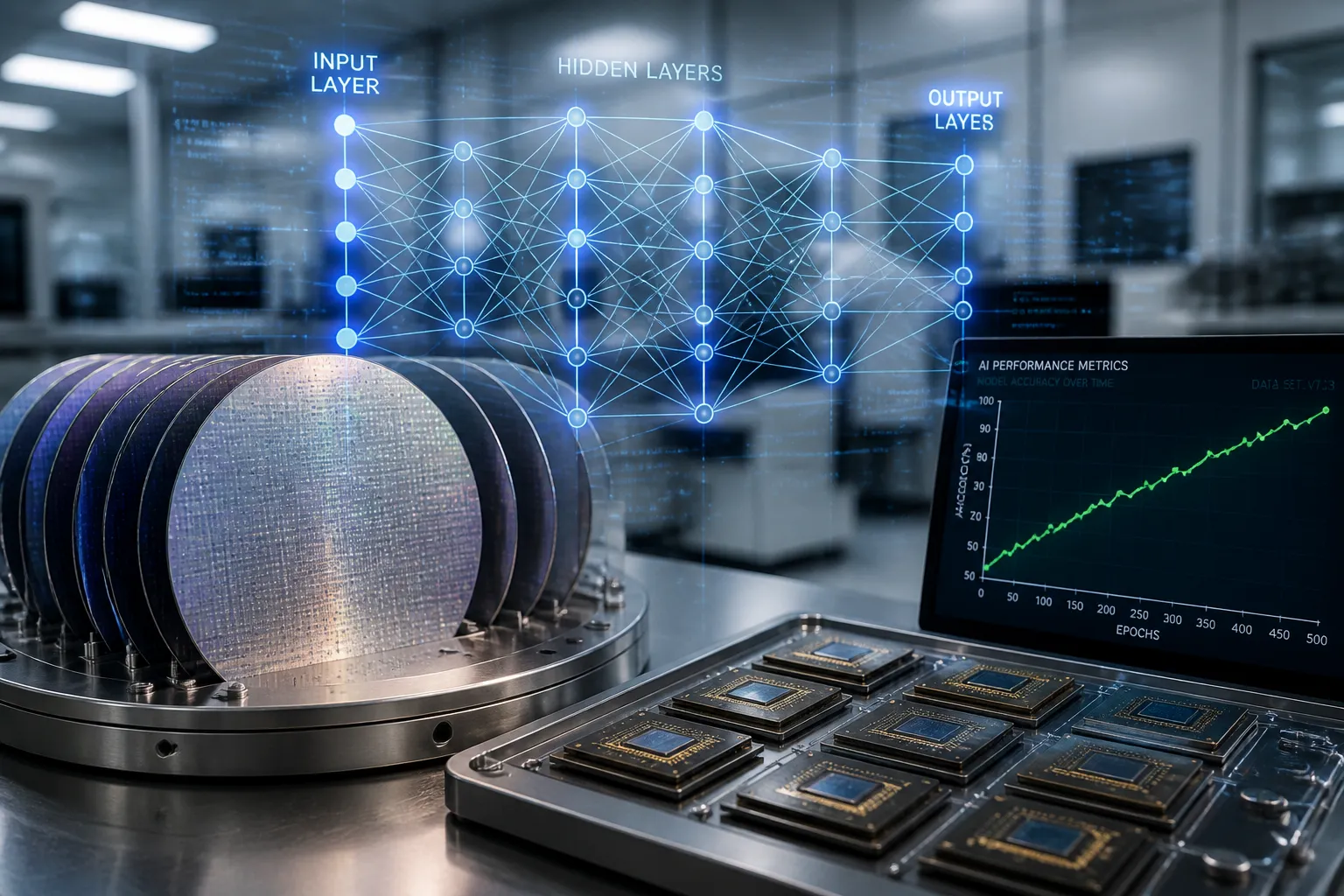
In addition to the financial burden, building a model of this scale demands a global supply chain of high‑performance GPUs, cooling infrastructure, and specialized talent. Recent estimates suggest that a single large‑language model can consume several hundred petaflop‑hours of compute, equivalent to running a top‑tier supercomputer for weeks.
The export‑control directive is part of a broader trend of tightening AI regulation. Earlier this year, the Department of Defense designated Anthropic as a supply‑chain risk after the company refused to remove contractual prohibitions on mass surveillance and autonomous weapons. The designation was later subject to a temporary injunction by a federal judge.
Today, the models remain disabled for foreign users. Anthropic has not set a timetable for reinstatement, and the U.S. government has not signaled a plan to lift the restriction. South Korean policymakers are reviewing the implications for their own strategy, while Upstage continues to promote Solar as a viable alternative.
Meanwhile, South Korea’s Ministry of Science and ICT has indicated that it will explore partnerships with regional firms to share the cost of infrastructure, while still maintaining sovereign control over data and model training.
The incident underscores that AI models are strategic assets that can be controlled by national governments. Whether Seoul will commit additional funding to accelerate domestic model development remains uncertain, but the Anthropic shutdown has provided a tangible case study for the sovereignty argument.
In the coming weeks, observers will watch for any changes in U.S. export policy, potential reinstatement of the models, and the South Korean government’s next steps in its AI sovereignty plan. The outcome will likely influence how other nations approach the balance between leveraging global AI capabilities and protecting national strategic interests.
The order, issued by the Commerce Department, halted access to Fable 5 and Mythos 5, the two models that had been positioned as the leading tools for code review and debugging in the Claude series.
Founded in 2021 by former OpenAI researchers, Anthropic released the models earlier that year. They had quickly become the benchmark for advanced code‑generation tasks, attracting attention from developers worldwide.
The department cited national‑security concerns and a jailbreak incident that exposed vulnerabilities in the models. After the directive, Anthropic shut down the services for all non‑U.S. users.
Sung Kim, CEO of Seoul‑based Upstage, seized the moment during a briefing in the capital on Tuesday. He argued that the ability of the United States or China to withdraw foundational AI technology underscores the need for a domestic, sovereign capability.
Upstage has been a cornerstone of Seoul’s national AI strategy. Its Solar line of foundation models is positioned as a potential core of a Korean‑controlled ecosystem, and the company has received government support to accelerate its development.
The South Korean administration has pursued an AI sovereignty agenda for years, allocating funds for domestic research and encouraging local firms to build models that can operate independently of foreign infrastructure. Kim cited the Anthropic shutdown as evidence of the risks inherent in reliance on external providers.
Similar arguments have surfaced elsewhere. In India, lawmakers are debating a national AI fund to support local research. In the European Union, a consortium led by Crédit Agricole has backed the Mistral model, while the United Kingdom is assembling a “sovereign” model to reduce reliance on U.S. technology.
Experts note that constructing and running frontier models domestically is expensive. The compute resources and capital required are comparable to those used by the largest U.S. and Chinese labs. Nevertheless, the threat of sudden access revocation, as seen with Anthropic, is a factor that governments are weighing.
In addition to the financial burden, building a model of this scale demands a global supply chain of high‑performance GPUs, cooling infrastructure, and specialized talent. Recent estimates suggest that a single large‑language model can consume several hundred petaflop‑hours of compute, equivalent to running a top‑tier supercomputer for weeks.
The export‑control directive is part of a broader trend of tightening AI regulation. Earlier this year, the Department of Defense designated Anthropic as a supply‑chain risk after the company refused to remove contractual prohibitions on mass surveillance and autonomous weapons. The designation was later subject to a temporary injunction by a federal judge.
Today, the models remain disabled for foreign users. Anthropic has not set a timetable for reinstatement, and the U.S. government has not signaled a plan to lift the restriction. South Korean policymakers are reviewing the implications for their own strategy, while Upstage continues to promote Solar as a viable alternative.
Meanwhile, South Korea’s Ministry of Science and ICT has indicated that it will explore partnerships with regional firms to share the cost of infrastructure, while still maintaining sovereign control over data and model training.
The incident underscores that AI models are strategic assets that can be controlled by national governments. Whether Seoul will commit additional funding to accelerate domestic model development remains uncertain, but the Anthropic shutdown has provided a tangible case study for the sovereignty argument.
In the coming weeks, observers will watch for any changes in U.S. export policy, potential reinstatement of the models, and the South Korean government’s next steps in its AI sovereignty plan. The outcome will likely influence how other nations approach the balance between leveraging global AI capabilities and protecting national strategic interests.