Blab Tech
Laguna Beach Eyes Traffic-Signal and Drone Tech to Boost Emergency Response
Laguna Beach is taking a bold step to keep its residents safe from wildfires and traffic snarls. On Tuesday night, city officials presented a comprehensive plan to the City Council that adds traffic‑signal priority and drone‑based surveillance to the city’s existing wildfire‑mitigation and fire‑safety programs.
The proposal follows a series of wildfire‑related incidents that struck Southern California in early 2025 and a city‑wide review of emergency‑response capabilities. After the January 2025 blazes, the city’s ad‑hoc committee was re‑established to steer priority projects such as fuel‑modification zones, undergrounding of utility lines, and community education workshops on evacuation and home hardening. In 2019, the committee had already adopted a wildfire‑mitigation and fire‑safety plan that incorporated traffic‑signal priority technology. Now the new proposal seeks to expand that technology to every intersection in Laguna Beach.
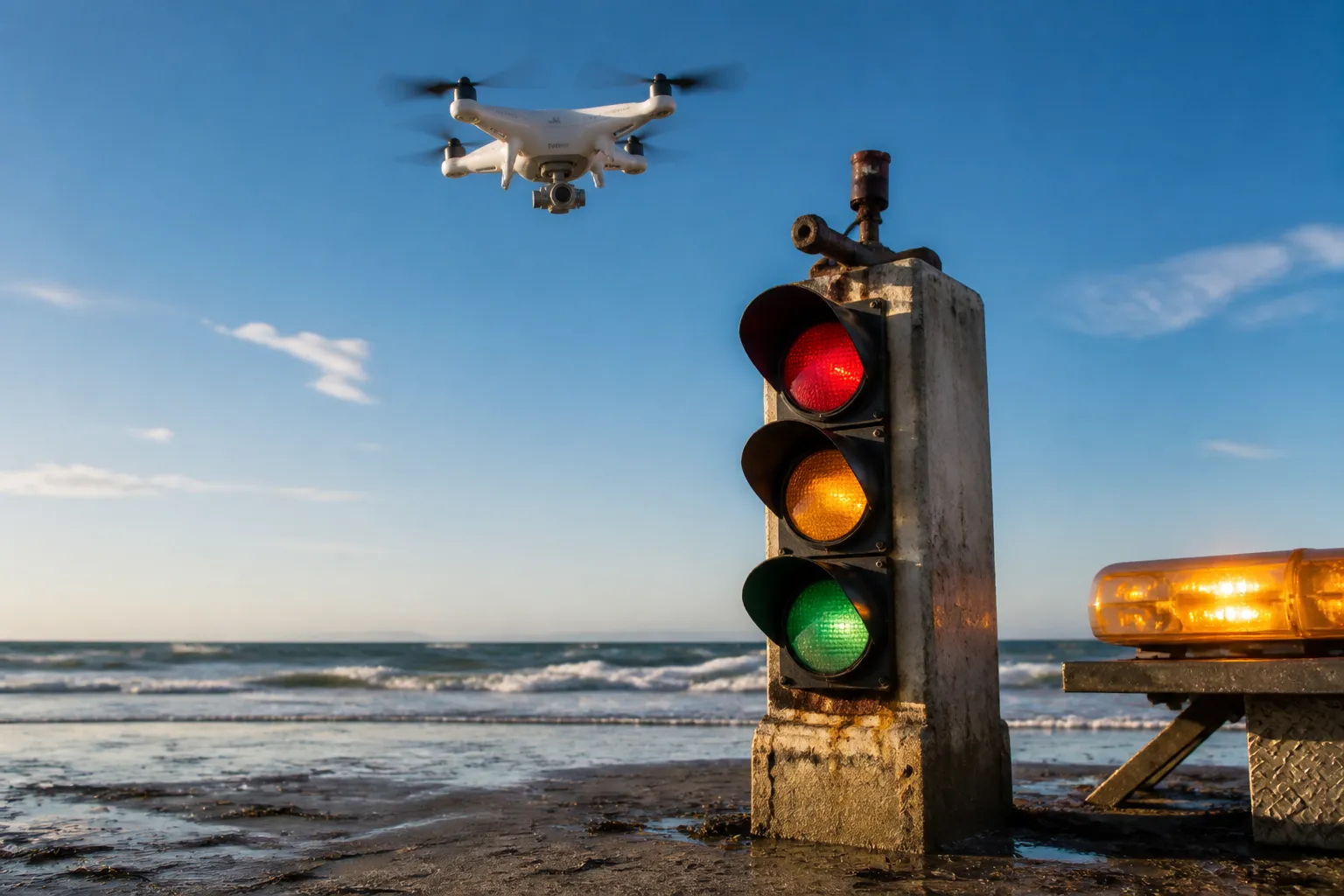
Police Chief Jeff Calvert explained that the traffic‑signal priority system, supplied by Opticom, would let emergency vehicles request a green light in the direction of travel, preventing simultaneous intersection entry and cutting response times. Calvert noted that neighboring cities—Newport, Irvine, and Dana Point—already use the system and that the city’s fire department has Opticom‑equipped engines that cannot be used in Laguna Beach because the signals lack the necessary hardware. The city estimates the cost of installing the system on all intersections at $766,000.
The council also approved funding for an outdoor warning system that uses sirens to alert residents during emergencies. Emergency Operations Coordinator Sarah Limones reported that the city conducts quarterly tests of the siren network, with the next test scheduled for Tuesday at 4 p.m. A gap analysis indicates that 12 to 15 additional siren speakers are needed for citywide coverage. Two new speakers were approved at the last council meeting and are expected to be installed by the fall. The total cost for the sirens and associated equipment is projected at $265,000.
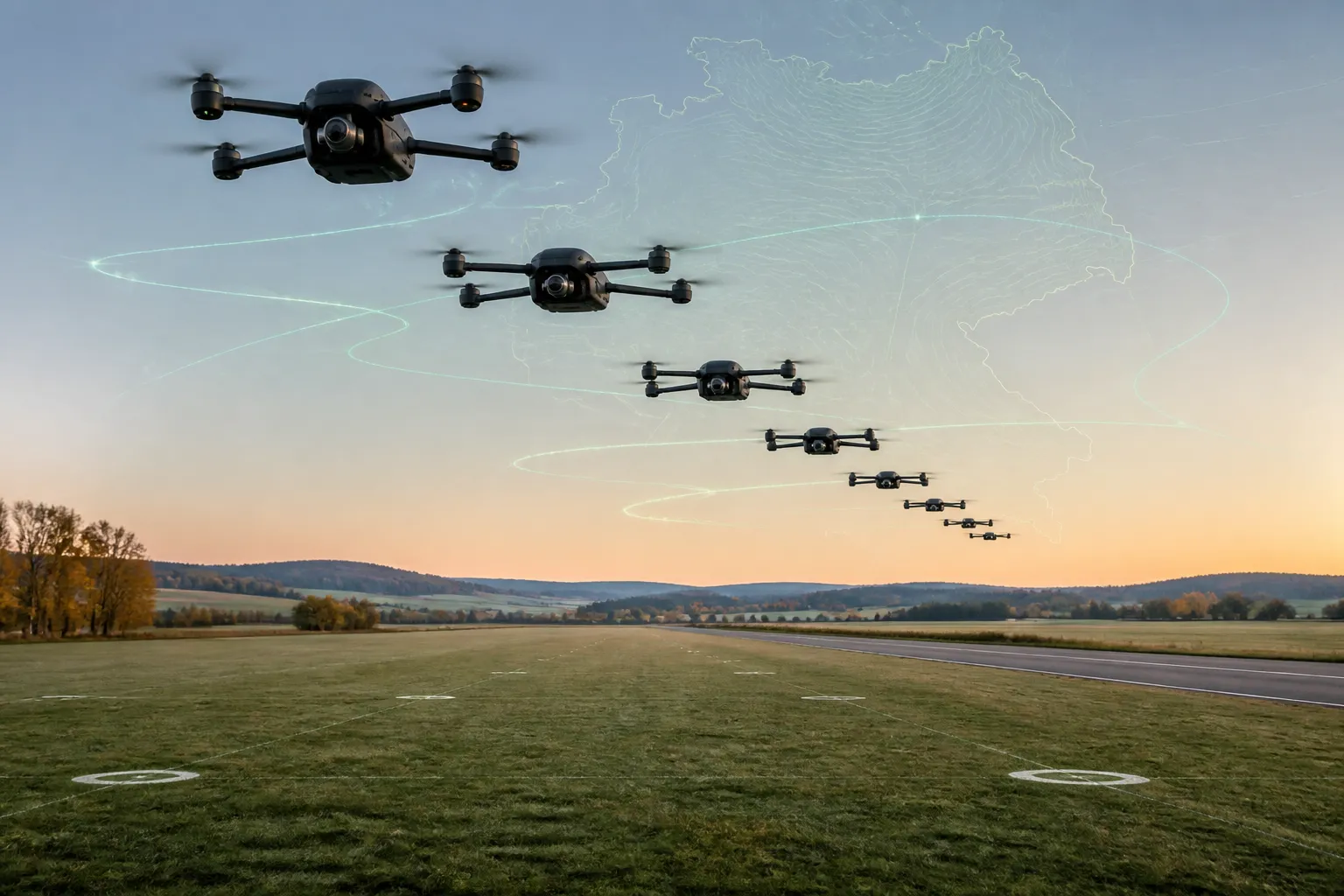
In addition to traffic‑signal priority and sirens, the council will invest $530,559 in drone technology. Calvert described a plan to place drone pods on rooftops throughout the city, providing video and situational awareness to dispatchers and officers. Three pods would be required for full coverage. The drones would be deployed on red‑flag days with thermal imaging to locate hot spots and could also survey canyons or identify homeless encampments. Staffing for the drone program would come from a vacant community‑services officer position in the police department.
At the meeting, officials emphasized that the new technologies would complement existing wildfire‑mitigation measures and improve emergency response times. The city will continue to test the outdoor warning system and seek funding for the traffic‑signal priority and drone projects in the upcoming fiscal year. The council’s decisions will be finalized in the next budget session, after which installation and deployment are expected to begin.
The proposal follows a series of wildfire‑related incidents that struck Southern California in early 2025 and a city‑wide review of emergency‑response capabilities. After the January 2025 blazes, the city’s ad‑hoc committee was re‑established to steer priority projects such as fuel‑modification zones, undergrounding of utility lines, and community education workshops on evacuation and home hardening. In 2019, the committee had already adopted a wildfire‑mitigation and fire‑safety plan that incorporated traffic‑signal priority technology. Now the new proposal seeks to expand that technology to every intersection in Laguna Beach.
Police Chief Jeff Calvert explained that the traffic‑signal priority system, supplied by Opticom, would let emergency vehicles request a green light in the direction of travel, preventing simultaneous intersection entry and cutting response times. Calvert noted that neighboring cities—Newport, Irvine, and Dana Point—already use the system and that the city’s fire department has Opticom‑equipped engines that cannot be used in Laguna Beach because the signals lack the necessary hardware. The city estimates the cost of installing the system on all intersections at $766,000.
The council also approved funding for an outdoor warning system that uses sirens to alert residents during emergencies. Emergency Operations Coordinator Sarah Limones reported that the city conducts quarterly tests of the siren network, with the next test scheduled for Tuesday at 4 p.m. A gap analysis indicates that 12 to 15 additional siren speakers are needed for citywide coverage. Two new speakers were approved at the last council meeting and are expected to be installed by the fall. The total cost for the sirens and associated equipment is projected at $265,000.
In addition to traffic‑signal priority and sirens, the council will invest $530,559 in drone technology. Calvert described a plan to place drone pods on rooftops throughout the city, providing video and situational awareness to dispatchers and officers. Three pods would be required for full coverage. The drones would be deployed on red‑flag days with thermal imaging to locate hot spots and could also survey canyons or identify homeless encampments. Staffing for the drone program would come from a vacant community‑services officer position in the police department.
At the meeting, officials emphasized that the new technologies would complement existing wildfire‑mitigation measures and improve emergency response times. The city will continue to test the outdoor warning system and seek funding for the traffic‑signal priority and drone projects in the upcoming fiscal year. The council’s decisions will be finalized in the next budget session, after which installation and deployment are expected to begin.