Blab Tech
California Faces AI Skepticism, Wine Crop Shifts, and International Music Outreach in 2026
In a state known for its vineyards and tech hubs, 2026 brought a trio of unlikely headlines: a chorus of AI‑skeptical graduates, Lodi’s vineyards swapping grapes for nuts and olives, and Fresno State musicians taking the stage in Seoul.
At several university commencements, fresh graduates booed speakers who praised artificial intelligence (AI) as a transformative force. The reaction was swift and unmistakable. Many of the new graduates, entering a job market that has seen rising automation and shrinking entry‑level roles, felt uneasy about AI’s growing influence on hiring. They worried that AI‑driven applicant‑tracking systems might filter resumes before human recruiters even see them, potentially obscuring talent and limiting agency.
Industry reports show that AI can touch more than 90 % of tasks in software engineering and data science, yet workers currently employ AI on only a fraction of those tasks. The job market now demands greater transparency about automation and restructuring. Graduates expressed that the speed of AI deployment could create opaque hiring processes, making it harder to secure employment. The concerns highlighted a broader anxiety that AI’s rapid adoption may erode the human element in career advancement.
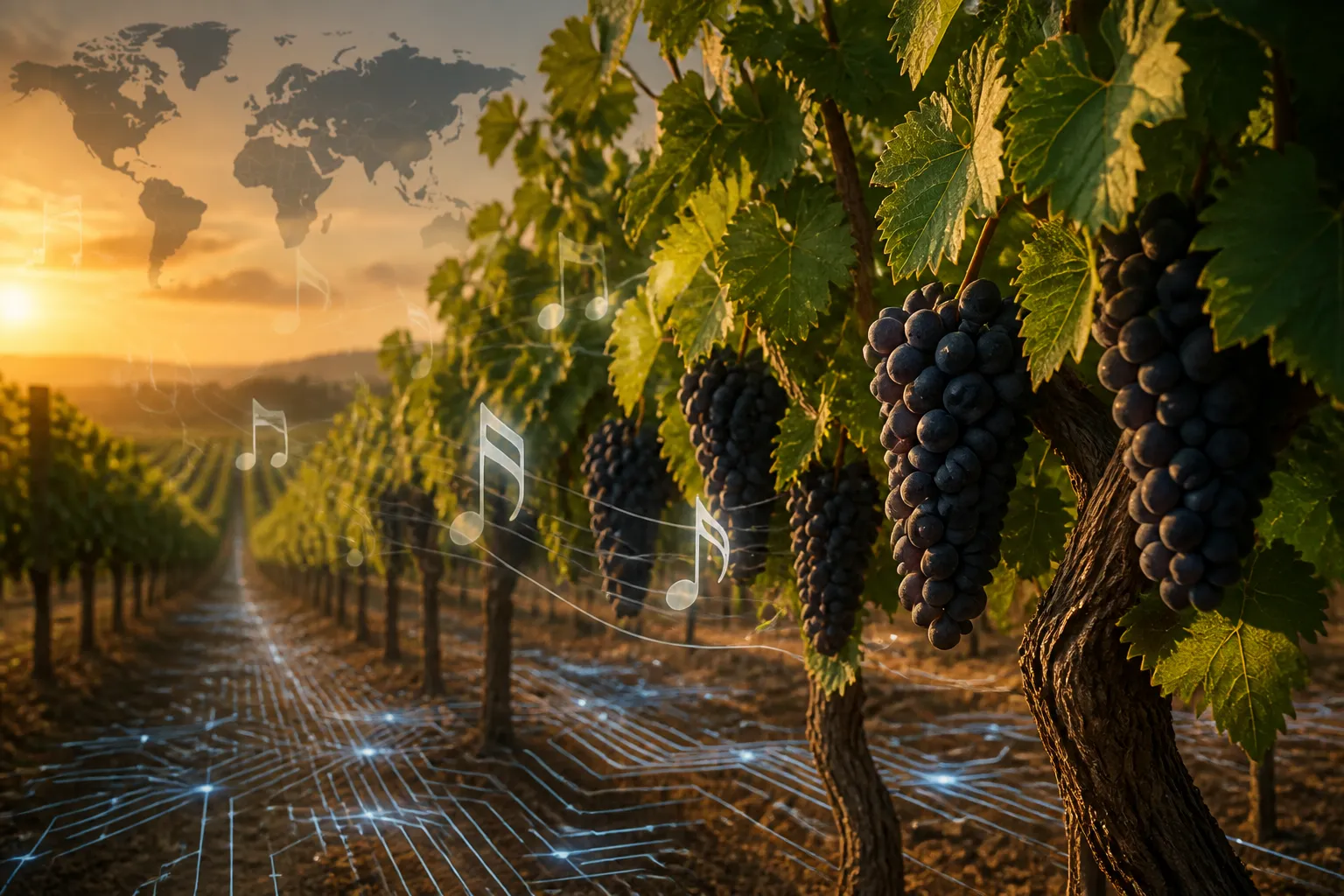
Meanwhile, the heart of California’s wine industry is shifting. Lodi, the state’s largest wine‑producing region, has long relied on grape cultivation. However, growers are turning to pistachio, almond, and olive orchards in response to new pressures. Climate variability, market volatility, and labor shortages are cited as key drivers. California produces roughly 80 % of all U.S. wine, but the majority of grapes are grown outside Napa and Sonoma, with Lodi supplying a significant share. The city’s proximity to vineyards—every location is within a ten‑minute drive—has historically supported a robust wine economy. Diversifying into tree crops may help growers maintain income streams while adapting to changing environmental and economic conditions.
Lodi’s viticultural area, established in 1986, spans more than 90 000 acres and has grown to include several sub‑regions. The shift toward tree crops could provide resilience against uncertainties that have affected grape production. By expanding their portfolio, growers can buffer against the climate‑related risks that threaten traditional viticulture.
In a cultural turn, Fresno State’s music department earned a place at Clarinetfest, an annual international festival that spotlights the clarinet. The festival invites students worldwide to perform, and Fresno State’s participation marks the university’s first appearance. The musicians, representing the Central Valley, will travel to South Korea to showcase their work. This opportunity highlights Fresno State’s expanding reach and offers students international exposure.
Clarinetfest’s tradition of inviting a wide array of performers underscores the importance of cultural exchange. Fresno State’s inclusion demonstrates the university’s commitment to providing students with global performance experiences. The fact that this is the first time the institution has been invited signals a milestone for its music program.
Together, these events illustrate California’s multifaceted challenges and opportunities in 2026. AI skepticism among graduates reflects broader concerns about automation and employment. Lodi’s crop diversification signals adaptation within the wine industry to shifting economic and environmental pressures. Fresno State’s international performance opportunity showcases the state’s cultural outreach and the growing importance of global engagement for higher‑education programs. While AI’s influence on hiring remains uncertain, the wine growers’ pivot to alternative crops and the musicians’ overseas debut suggest that California’s communities are actively seeking new pathways to resilience and visibility.
The current landscape shows a state grappling with technological disruption, agricultural adaptation, and cultural expansion. How AI will ultimately shape hiring practices, how Lodi growers will balance wine and tree crops, and how Fresno State musicians will navigate international stages remain open questions that will unfold over the coming years.
At several university commencements, fresh graduates booed speakers who praised artificial intelligence (AI) as a transformative force. The reaction was swift and unmistakable. Many of the new graduates, entering a job market that has seen rising automation and shrinking entry‑level roles, felt uneasy about AI’s growing influence on hiring. They worried that AI‑driven applicant‑tracking systems might filter resumes before human recruiters even see them, potentially obscuring talent and limiting agency.
Industry reports show that AI can touch more than 90 % of tasks in software engineering and data science, yet workers currently employ AI on only a fraction of those tasks. The job market now demands greater transparency about automation and restructuring. Graduates expressed that the speed of AI deployment could create opaque hiring processes, making it harder to secure employment. The concerns highlighted a broader anxiety that AI’s rapid adoption may erode the human element in career advancement.
Meanwhile, the heart of California’s wine industry is shifting. Lodi, the state’s largest wine‑producing region, has long relied on grape cultivation. However, growers are turning to pistachio, almond, and olive orchards in response to new pressures. Climate variability, market volatility, and labor shortages are cited as key drivers. California produces roughly 80 % of all U.S. wine, but the majority of grapes are grown outside Napa and Sonoma, with Lodi supplying a significant share. The city’s proximity to vineyards—every location is within a ten‑minute drive—has historically supported a robust wine economy. Diversifying into tree crops may help growers maintain income streams while adapting to changing environmental and economic conditions.
Lodi’s viticultural area, established in 1986, spans more than 90 000 acres and has grown to include several sub‑regions. The shift toward tree crops could provide resilience against uncertainties that have affected grape production. By expanding their portfolio, growers can buffer against the climate‑related risks that threaten traditional viticulture.
In a cultural turn, Fresno State’s music department earned a place at Clarinetfest, an annual international festival that spotlights the clarinet. The festival invites students worldwide to perform, and Fresno State’s participation marks the university’s first appearance. The musicians, representing the Central Valley, will travel to South Korea to showcase their work. This opportunity highlights Fresno State’s expanding reach and offers students international exposure.
Clarinetfest’s tradition of inviting a wide array of performers underscores the importance of cultural exchange. Fresno State’s inclusion demonstrates the university’s commitment to providing students with global performance experiences. The fact that this is the first time the institution has been invited signals a milestone for its music program.
Together, these events illustrate California’s multifaceted challenges and opportunities in 2026. AI skepticism among graduates reflects broader concerns about automation and employment. Lodi’s crop diversification signals adaptation within the wine industry to shifting economic and environmental pressures. Fresno State’s international performance opportunity showcases the state’s cultural outreach and the growing importance of global engagement for higher‑education programs. While AI’s influence on hiring remains uncertain, the wine growers’ pivot to alternative crops and the musicians’ overseas debut suggest that California’s communities are actively seeking new pathways to resilience and visibility.
The current landscape shows a state grappling with technological disruption, agricultural adaptation, and cultural expansion. How AI will ultimately shape hiring practices, how Lodi growers will balance wine and tree crops, and how Fresno State musicians will navigate international stages remain open questions that will unfold over the coming years.








