Blab Tech
HD Hyundai and UBC Forge Partnership to Advance AI-Driven Naval Ship Technologies
On June 10, HD Hyundai Co., Ltd. inked a pivotal memorandum of understanding (MOU) with the University of British Columbia (UBC), launching a joint effort that could reshape Canada’s naval shipbuilding landscape. The signing, held at UBC’s Vancouver campus, brought together South Korean shipbuilder HD Hyundai’s Future Technology Institute and UBC’s Faculty of Applied Science under the watchful eyes of the South Korean Consulate General.
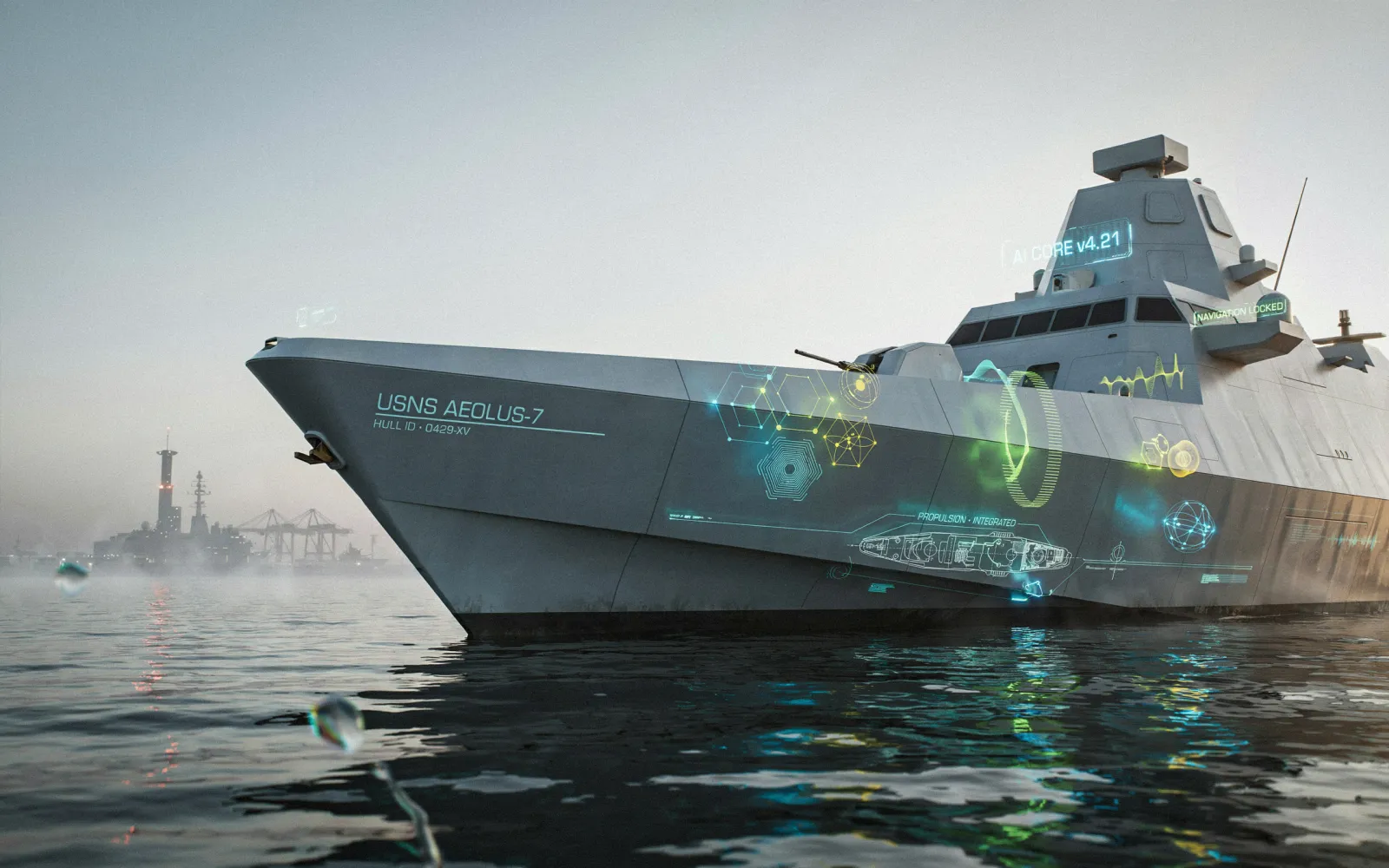
The agreement outlines a shared research agenda centered on artificial‑intelligence‑based autonomous navigation, digital‑twin simulations, and next‑generation naval vessel structures. HD Hyundai’s deputy consul general in Vancouver, Chang Young‑jae, and the institute’s head, Chang Kwang‑pil, joined UBC dean James Olson to formalize the partnership. The MOU also earmarks work on eco‑friendly advanced materials that could serve both military and commercial fleets.
A key driver behind the collaboration is Canada’s 2021 submarine procurement project, which seeks up to 12 diesel‑electric submarines to replace the aging Victoria‑class fleet. The initiative is central to Canada’s effort to modernize its maritime forces and secure operational readiness along its vast coastlines and Arctic waters. HD Hyundai, which has built K‑class submarines for the South Korean Navy, is vying for the contract against Germany’s ThyssenKrupp Marine Systems.
“Based on our world‑leading shipbuilding technology competitiveness, we joined hands with UBC, one of Canada’s leading universities, to help secure a one‑team victory for K‑defense,” Chang Kwang‑pil said. The statement signals HD Hyundai’s intent to leverage UBC’s research strengths to strengthen its proposal.
Beyond shipbuilding, HD Hyundai is deepening ties with Canada through its oil and construction sectors. HD Hyundai Oilbank plans to import more Canadian crude, while HD Hyundai Construction Equipment has expressed interest in Canadian infrastructure projects. These moves suggest a broader group‑level strategy aimed at embedding the conglomerate in Canada’s industrial ecosystem.
The focus on AI‑driven design and digital‑twin technology aligns with industry trends that use virtual models to optimize vessel performance and cut construction time. Digital twins enable real‑time monitoring of ship systems and support predictive maintenance—capabilities that are increasingly valuable for both commercial and military fleets.
Autonomous navigation, another core element of the partnership, seeks to enhance situational awareness and reduce human error. While maritime regulations still mandate a human operator on watch, AI‑assisted decision support can provide early warnings and suggest corrective actions in complex environments.
The collaboration also targets next‑generation destroyers, unmanned naval vessels, and submarines—areas that are central to Canada’s future naval strategy. By combining HD Hyundai’s shipbuilding expertise with UBC’s research strengths, the partnership aims to deliver technologies that meet the operational requirements of the Canadian Navy.
The MOU is part of a series of initiatives that HD Hyundai has pursued to position itself as a contender for the Canadian submarine contract. The company’s bid is supported by its extensive experience in building advanced naval vessels, including the K‑class submarines for the South Korean Navy.
As of now, no formal contract has been awarded for Canada’s submarine procurement. The competition remains open, with German and South Korean firms presenting their proposals to the Canadian government. The outcome will be decided after a detailed evaluation of technical capabilities, cost, and delivery timelines.
In summary, HD Hyundai’s partnership with UBC represents a strategic effort to advance AI‑driven naval technologies and strengthen its position in the Canadian submarine procurement process. The collaboration will focus on autonomous navigation, digital‑twin simulations, and eco‑friendly materials, while also exploring next‑generation naval vessel designs. Stakeholders in the shipbuilding and defense sectors will closely monitor the partnership’s progress as it unfolds.
The agreement outlines a shared research agenda centered on artificial‑intelligence‑based autonomous navigation, digital‑twin simulations, and next‑generation naval vessel structures. HD Hyundai’s deputy consul general in Vancouver, Chang Young‑jae, and the institute’s head, Chang Kwang‑pil, joined UBC dean James Olson to formalize the partnership. The MOU also earmarks work on eco‑friendly advanced materials that could serve both military and commercial fleets.
A key driver behind the collaboration is Canada’s 2021 submarine procurement project, which seeks up to 12 diesel‑electric submarines to replace the aging Victoria‑class fleet. The initiative is central to Canada’s effort to modernize its maritime forces and secure operational readiness along its vast coastlines and Arctic waters. HD Hyundai, which has built K‑class submarines for the South Korean Navy, is vying for the contract against Germany’s ThyssenKrupp Marine Systems.
“Based on our world‑leading shipbuilding technology competitiveness, we joined hands with UBC, one of Canada’s leading universities, to help secure a one‑team victory for K‑defense,” Chang Kwang‑pil said. The statement signals HD Hyundai’s intent to leverage UBC’s research strengths to strengthen its proposal.
Beyond shipbuilding, HD Hyundai is deepening ties with Canada through its oil and construction sectors. HD Hyundai Oilbank plans to import more Canadian crude, while HD Hyundai Construction Equipment has expressed interest in Canadian infrastructure projects. These moves suggest a broader group‑level strategy aimed at embedding the conglomerate in Canada’s industrial ecosystem.
The focus on AI‑driven design and digital‑twin technology aligns with industry trends that use virtual models to optimize vessel performance and cut construction time. Digital twins enable real‑time monitoring of ship systems and support predictive maintenance—capabilities that are increasingly valuable for both commercial and military fleets.
Autonomous navigation, another core element of the partnership, seeks to enhance situational awareness and reduce human error. While maritime regulations still mandate a human operator on watch, AI‑assisted decision support can provide early warnings and suggest corrective actions in complex environments.
The collaboration also targets next‑generation destroyers, unmanned naval vessels, and submarines—areas that are central to Canada’s future naval strategy. By combining HD Hyundai’s shipbuilding expertise with UBC’s research strengths, the partnership aims to deliver technologies that meet the operational requirements of the Canadian Navy.
The MOU is part of a series of initiatives that HD Hyundai has pursued to position itself as a contender for the Canadian submarine contract. The company’s bid is supported by its extensive experience in building advanced naval vessels, including the K‑class submarines for the South Korean Navy.
As of now, no formal contract has been awarded for Canada’s submarine procurement. The competition remains open, with German and South Korean firms presenting their proposals to the Canadian government. The outcome will be decided after a detailed evaluation of technical capabilities, cost, and delivery timelines.
In summary, HD Hyundai’s partnership with UBC represents a strategic effort to advance AI‑driven naval technologies and strengthen its position in the Canadian submarine procurement process. The collaboration will focus on autonomous navigation, digital‑twin simulations, and eco‑friendly materials, while also exploring next‑generation naval vessel designs. Stakeholders in the shipbuilding and defense sectors will closely monitor the partnership’s progress as it unfolds.