Blab Tech
GM Opens 500-Square-Foot-Foot Battery Cell Development Centre to Fast-Track Lithium-Manganese-Rich Battery Rollout
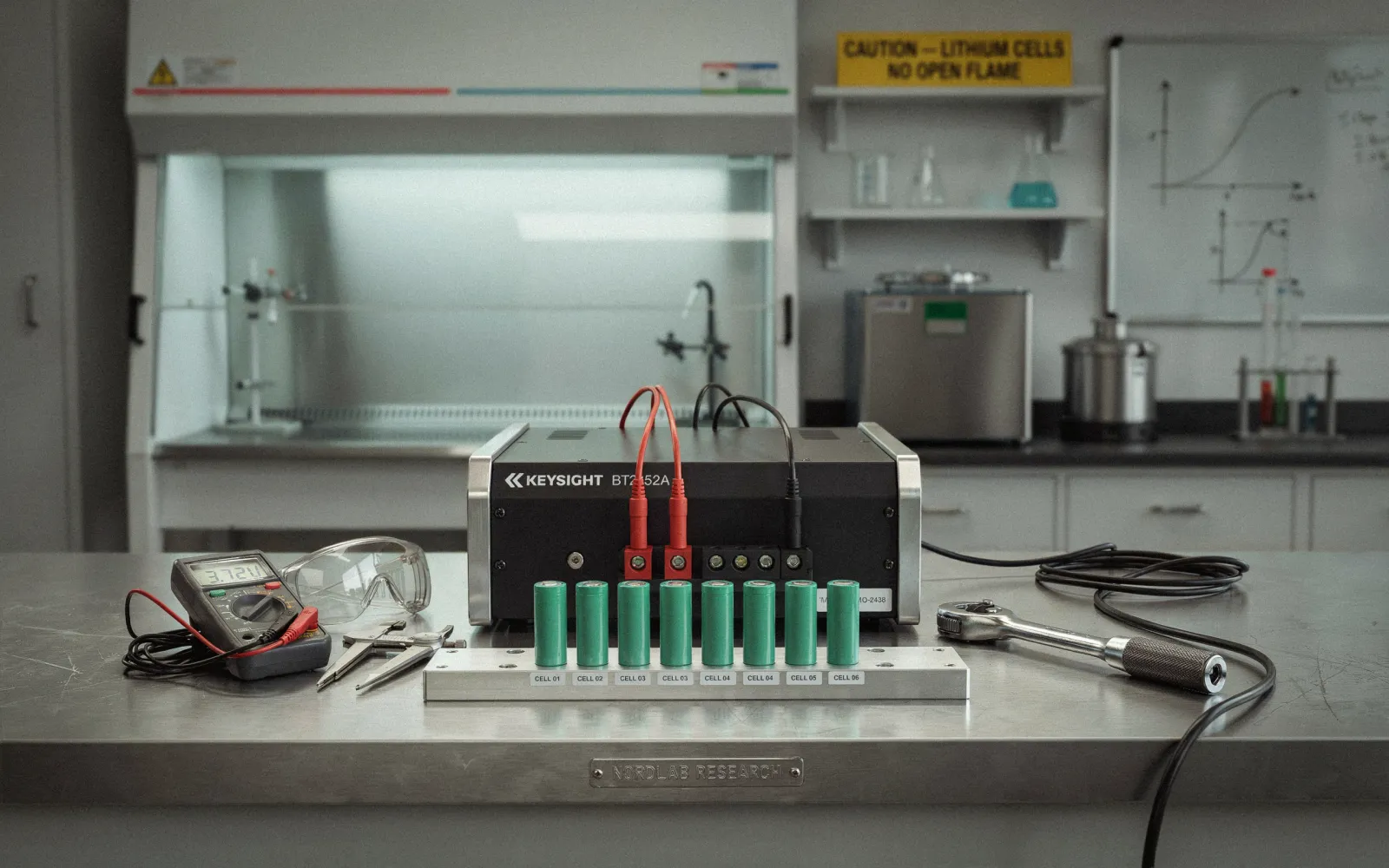
GM has opened a 500,000‑square‑foot Battery Cell Development Centre (BCDC) at its Warren Tech Center outside Detroit, a new hub designed to bridge the gap between the company’s small‑batch research lab and its large‑scale Ultium gigafactory.
The centre’s focus is a lithium‑manganese‑rich (LMR) battery chemistry that blends a high nickel content—about 35 %—with a larger manganese fraction—roughly 65 %—and virtually no cobalt. GM says the chemistry delivers an energy density close to the nickel‑manganese‑cobalt (NMC) cells used in current GM electric vehicles, while keeping the cost per kilowatt‑hour comparable to the lithium‑iron‑phosphate (LFP) cells that power lower‑range models such as the Chevrolet Bolt. In a Silverado EV, the LMR chemistry could preserve most of the 400‑mile range while trimming battery cost by roughly $6,000, bringing the truck’s price nearer that of a comparable gasoline model.
The opening comes amid a period of restructuring for GM’s electric‑vehicle (EV) program. In 2025 the company recorded a $1.6 billion charge related to reconfiguring production capacity, layoffs of thousands of workers, and the shelving of a refresh of its full‑size electric trucks and SUVs. The U.S. EV market has softened, and at least a dozen models were discontinued in 2026 as tariffs and the expiration of federal tax credits reshaped demand.
GM’s current battery strategy relies heavily on NMC chemistry through its Ultium platform. Rising prices of nickel and cobalt, coupled with China’s dominance of critical‑mineral supply, have kept EV prices high. LFP batteries are cheaper but have lower energy density, limiting range. LMR is positioned as a middle ground: it offers roughly 33 % higher energy density than LFP at a comparable cost.
The BCDC is designed to produce about 2,500 cells per day—roughly half a gigawatt‑hour of battery capacity per year. That output is an order of magnitude larger than the adjacent Wallace Battery Cell Innovation Centre, which produces 30 to 50 cells per day, and an order of magnitude smaller than the 2.8‑million‑square‑foot Ultium gigafactory in Tennessee, which produces about 300,000 cells annually. A test run at the BCDC costs approximately $200,000, far less than a run at the full‑size plant.
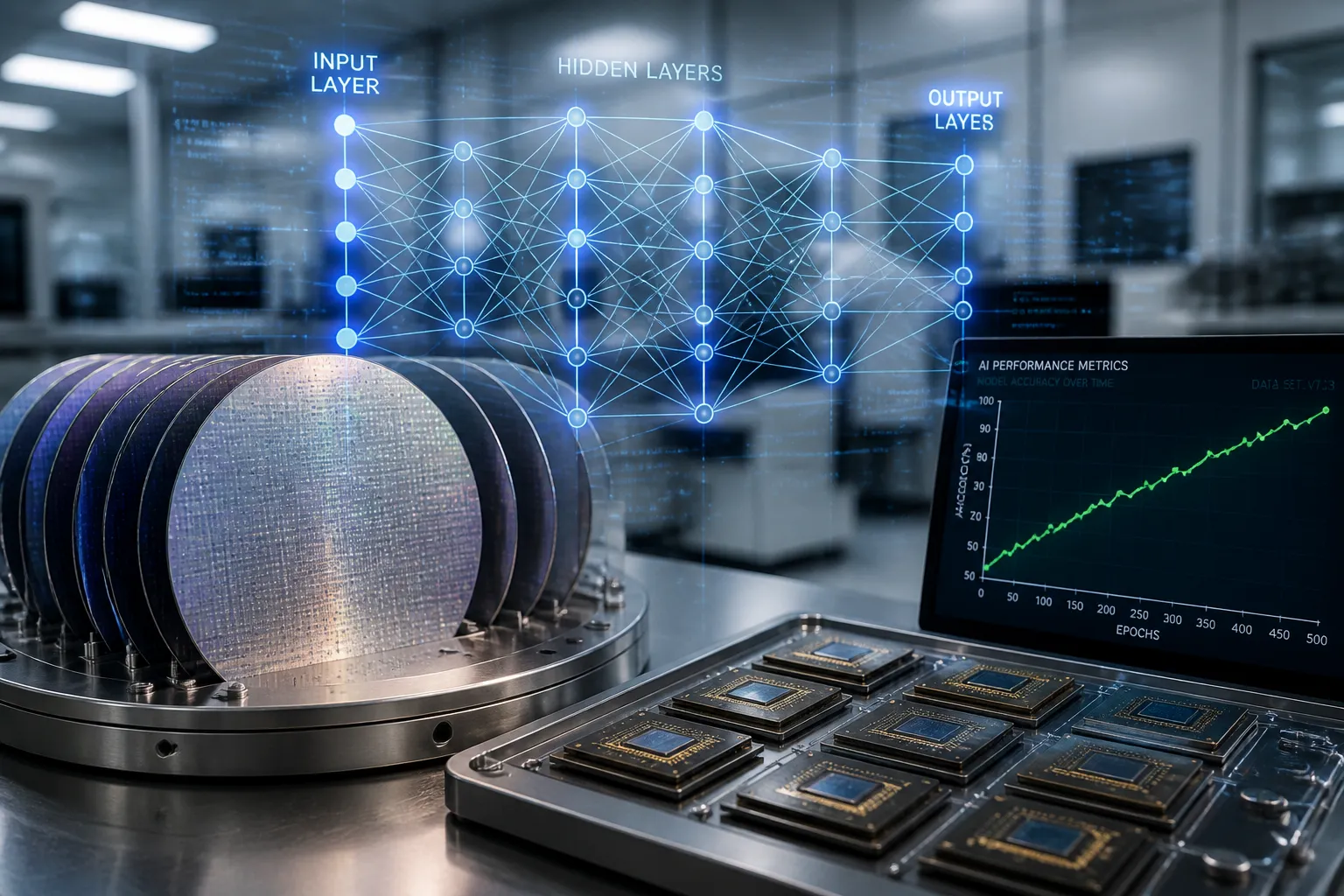
GM has applied artificial‑intelligence models and a full digital twin of the BCDC to compress development timelines. The company logged more than 150 million CPU hours of physics‑based simulation on LMR alone, a figure that exceeds the simulation effort of many engine development programs. The digital twin replicates the facility down to equipment control boards, wiring, and mixing‑tank blades. The team used the twin to verify equipment clearances, simulate control systems, and shorten debug and ramp‑up time. GM said the simulations saved millions of dollars, though it did not disclose a figure.
The company plans to begin commercial production of LMR cells with joint‑venture partner LG Energy Solution in 2027. The cells are slated for use in full‑size trucks and SUVs starting in 2028. First batches are expected to roll off the BCDC line later this year. McKinsey has identified an 85 % yield threshold as a benchmark for commercial viability on a production line within 18 months. If the BCDC fails to reach that threshold, the timeline for truck deployment could slip.
LMR represents a different strategy from the solid‑state batteries that Toyota, Nissan, and BMW are pursuing for end‑of‑decade commercialization. BYD and CATL already produce cheaper LFP cells at scale, and the global EV market grew 20 % in 2025. GM’s bet on LMR is aimed at delivering a cost advantage for mass‑market EVs now, rather than waiting for a breakthrough chemistry.
At present, the BCDC is operational and producing prototype cells. GM’s next milestones include achieving commercial‑grade yield, integrating the cells into vehicle prototypes, and scaling up production at the Tennessee gigafactory. The outcome will influence GM’s ability to price its electric trucks competitively and could affect the broader EV supply chain.
The centre’s focus is a lithium‑manganese‑rich (LMR) battery chemistry that blends a high nickel content—about 35 %—with a larger manganese fraction—roughly 65 %—and virtually no cobalt. GM says the chemistry delivers an energy density close to the nickel‑manganese‑cobalt (NMC) cells used in current GM electric vehicles, while keeping the cost per kilowatt‑hour comparable to the lithium‑iron‑phosphate (LFP) cells that power lower‑range models such as the Chevrolet Bolt. In a Silverado EV, the LMR chemistry could preserve most of the 400‑mile range while trimming battery cost by roughly $6,000, bringing the truck’s price nearer that of a comparable gasoline model.
The opening comes amid a period of restructuring for GM’s electric‑vehicle (EV) program. In 2025 the company recorded a $1.6 billion charge related to reconfiguring production capacity, layoffs of thousands of workers, and the shelving of a refresh of its full‑size electric trucks and SUVs. The U.S. EV market has softened, and at least a dozen models were discontinued in 2026 as tariffs and the expiration of federal tax credits reshaped demand.
GM’s current battery strategy relies heavily on NMC chemistry through its Ultium platform. Rising prices of nickel and cobalt, coupled with China’s dominance of critical‑mineral supply, have kept EV prices high. LFP batteries are cheaper but have lower energy density, limiting range. LMR is positioned as a middle ground: it offers roughly 33 % higher energy density than LFP at a comparable cost.
The BCDC is designed to produce about 2,500 cells per day—roughly half a gigawatt‑hour of battery capacity per year. That output is an order of magnitude larger than the adjacent Wallace Battery Cell Innovation Centre, which produces 30 to 50 cells per day, and an order of magnitude smaller than the 2.8‑million‑square‑foot Ultium gigafactory in Tennessee, which produces about 300,000 cells annually. A test run at the BCDC costs approximately $200,000, far less than a run at the full‑size plant.
GM has applied artificial‑intelligence models and a full digital twin of the BCDC to compress development timelines. The company logged more than 150 million CPU hours of physics‑based simulation on LMR alone, a figure that exceeds the simulation effort of many engine development programs. The digital twin replicates the facility down to equipment control boards, wiring, and mixing‑tank blades. The team used the twin to verify equipment clearances, simulate control systems, and shorten debug and ramp‑up time. GM said the simulations saved millions of dollars, though it did not disclose a figure.
The company plans to begin commercial production of LMR cells with joint‑venture partner LG Energy Solution in 2027. The cells are slated for use in full‑size trucks and SUVs starting in 2028. First batches are expected to roll off the BCDC line later this year. McKinsey has identified an 85 % yield threshold as a benchmark for commercial viability on a production line within 18 months. If the BCDC fails to reach that threshold, the timeline for truck deployment could slip.
LMR represents a different strategy from the solid‑state batteries that Toyota, Nissan, and BMW are pursuing for end‑of‑decade commercialization. BYD and CATL already produce cheaper LFP cells at scale, and the global EV market grew 20 % in 2025. GM’s bet on LMR is aimed at delivering a cost advantage for mass‑market EVs now, rather than waiting for a breakthrough chemistry.
At present, the BCDC is operational and producing prototype cells. GM’s next milestones include achieving commercial‑grade yield, integrating the cells into vehicle prototypes, and scaling up production at the Tennessee gigafactory. The outcome will influence GM’s ability to price its electric trucks competitively and could affect the broader EV supply chain.