Blab Tech
Australia Tests Nationwide AusAlert Cell-Broadcast Warning System Ahead of Full Roll-Out
On July 27, 2026, Australia will launch a nationwide test of AusAlert, the country’s first emergency warning system that sends alerts directly from mobile‑phone towers to every compatible device in a target area.
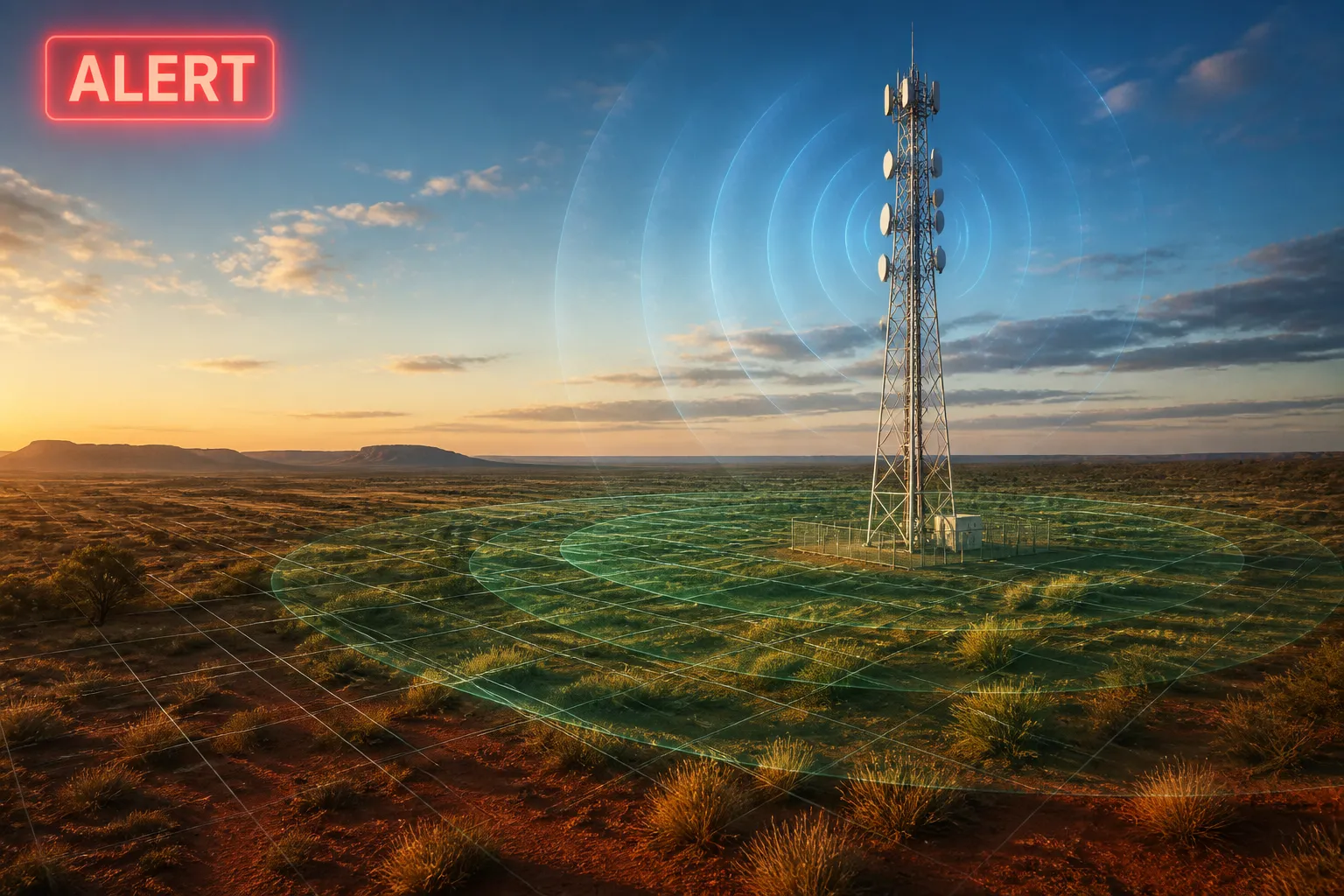
AusAlert follows a series of trials that began in June 2026 and precedes the system’s planned full operation in October 2026. The new system replaces the existing Emergency Alert framework, which relied on SMS messages and landline calls. Cell‑broadcast—defined by ETSI and 3GPP standards—delivers geo‑targeted messages without the need for a phone number or an app. It is already in use in New Zealand, the United States, the United Kingdom, Japan, and more than 30 other nations, and because the signal originates from the cell tower itself it is immune to network congestion.
In February 2025, the National Emergency Management Agency (NEMA) signed a contract with the system developer. NEMA said the initial delivery of the system was slated for mid‑to‑late 2026, with a national test in July and full deployment by October. Formed in September 2022 from the merger of the National Recovery and Resilience Agency and Emergency Management Australia, NEMA is responsible for coordinating the national warning effort.
While AusAlert promises faster and broader reach, experts caution that the system alone does not solve inclusivity challenges. A review of 70 disaster‑warning apps, 48,000 user reviews, and consultations with disabled communities found that many existing systems assume a single language, literacy level, and visual ability. In Australia, more than one in five people speak a language other than English at home, and people with disabilities are up to four times more likely to die in a disaster than those without. Older adults and individuals with vision impairments also face barriers such as small text and colour‑coded warnings.
The current alert message is brief: “An Emergency Warning message has been issued for [area/disaster]. Leave now if you receive this message. Visit nema.gov.au for more information.” From there, users must navigate to NEMA’s website, which redirects to state or territory emergency sites. This three‑step journey can be problematic during an emergency, especially for those with access difficulties. NEMA has produced awareness materials for eight target groups, but these materials explain what AusAlert is rather than how to act once an alert is received.
The United Nations Office for Disaster Risk Reduction and the World Meteorological Organization launched the Early Warnings for All initiative in 2022, calling for inclusive warning systems by 2027. AusAlert meets the delivery requirement of that initiative, but the system does not yet provide tailored next‑step guidance. A national platform that allows users to set preferences for language, literacy, and visual needs could bridge the gap between receiving an alert and knowing what to do.
In the meantime, residents are encouraged to review their state or territory emergency preparedness websites and develop personal plans. The July 27 test offers an opportunity for the public to provide feedback while the system remains adjustable. Australia’s move to cell‑broadcast represents a significant advance in emergency communication, but the country must continue to refine the system to ensure that all citizens receive clear, actionable information when a disaster strikes.
AusAlert follows a series of trials that began in June 2026 and precedes the system’s planned full operation in October 2026. The new system replaces the existing Emergency Alert framework, which relied on SMS messages and landline calls. Cell‑broadcast—defined by ETSI and 3GPP standards—delivers geo‑targeted messages without the need for a phone number or an app. It is already in use in New Zealand, the United States, the United Kingdom, Japan, and more than 30 other nations, and because the signal originates from the cell tower itself it is immune to network congestion.
In February 2025, the National Emergency Management Agency (NEMA) signed a contract with the system developer. NEMA said the initial delivery of the system was slated for mid‑to‑late 2026, with a national test in July and full deployment by October. Formed in September 2022 from the merger of the National Recovery and Resilience Agency and Emergency Management Australia, NEMA is responsible for coordinating the national warning effort.
While AusAlert promises faster and broader reach, experts caution that the system alone does not solve inclusivity challenges. A review of 70 disaster‑warning apps, 48,000 user reviews, and consultations with disabled communities found that many existing systems assume a single language, literacy level, and visual ability. In Australia, more than one in five people speak a language other than English at home, and people with disabilities are up to four times more likely to die in a disaster than those without. Older adults and individuals with vision impairments also face barriers such as small text and colour‑coded warnings.
The current alert message is brief: “An Emergency Warning message has been issued for [area/disaster]. Leave now if you receive this message. Visit nema.gov.au for more information.” From there, users must navigate to NEMA’s website, which redirects to state or territory emergency sites. This three‑step journey can be problematic during an emergency, especially for those with access difficulties. NEMA has produced awareness materials for eight target groups, but these materials explain what AusAlert is rather than how to act once an alert is received.
The United Nations Office for Disaster Risk Reduction and the World Meteorological Organization launched the Early Warnings for All initiative in 2022, calling for inclusive warning systems by 2027. AusAlert meets the delivery requirement of that initiative, but the system does not yet provide tailored next‑step guidance. A national platform that allows users to set preferences for language, literacy, and visual needs could bridge the gap between receiving an alert and knowing what to do.
In the meantime, residents are encouraged to review their state or territory emergency preparedness websites and develop personal plans. The July 27 test offers an opportunity for the public to provide feedback while the system remains adjustable. Australia’s move to cell‑broadcast represents a significant advance in emergency communication, but the country must continue to refine the system to ensure that all citizens receive clear, actionable information when a disaster strikes.








