Blab Tech
Tech Stocks Take Biggest One-Day Loss Since April 2025 After Strong Jobs Report Fuels Fed Hawkish Outlook
On Friday, Wall Street’s nine‑week winning streak was snapped by a sharp sell‑off that dragged the Nasdaq Composite, S&P 500 and Dow Jones Industrial Average lower. The rout was largely driven by technology and semiconductor shares, which slid after a May jobs report beat expectations and pushed the Federal Reserve’s rate‑hike outlook higher.
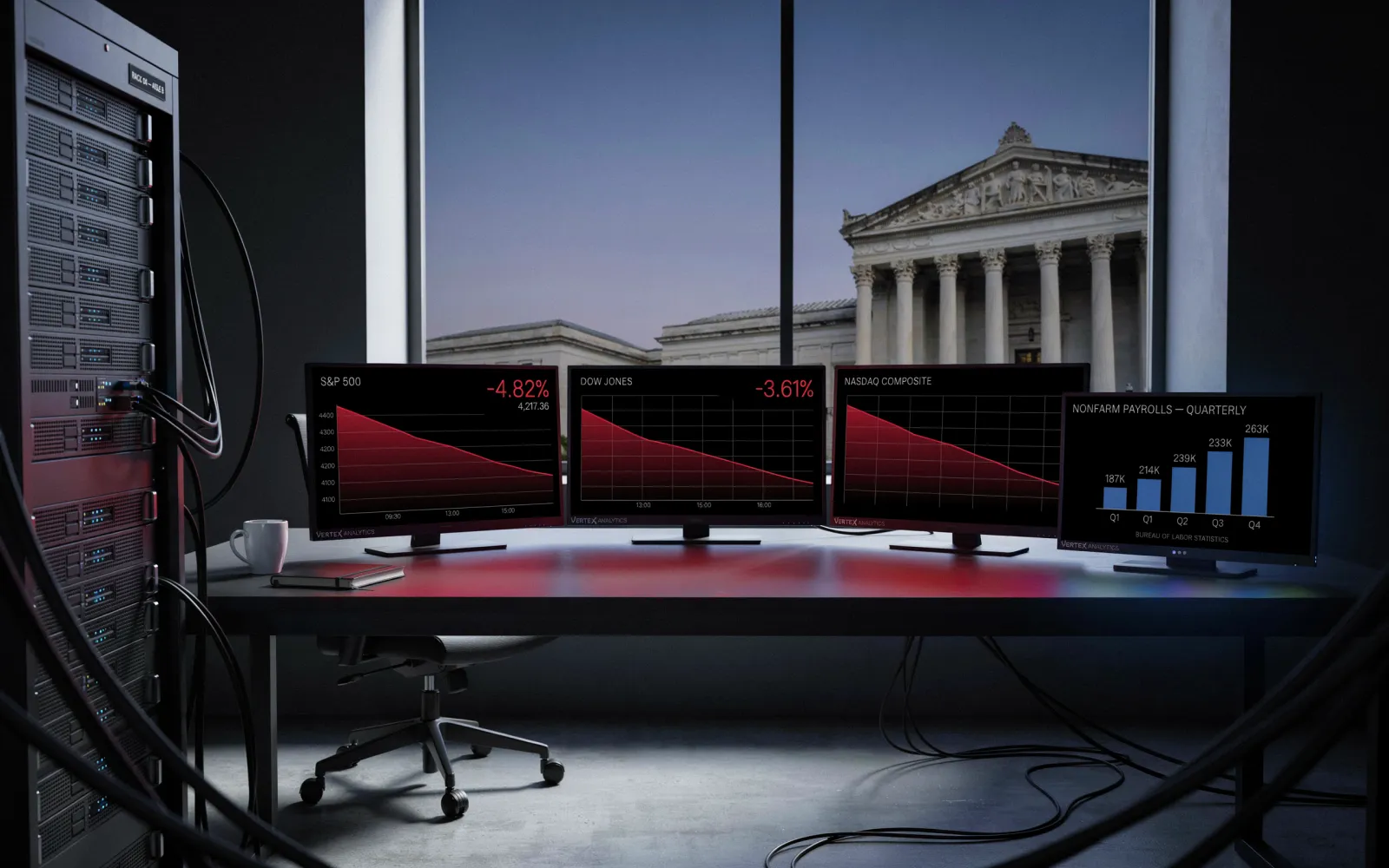
The Nasdaq fell 1,121.53 points, or 4.18%, to 25,709.43. The S&P 500 dropped 200.57 points, or 2.64%, to 7,383.74, while the Dow slipped 695.15 points, or 1.35%, to 50,866.78. The Philadelphia Semiconductor Index recorded its steepest one‑day percentage plunge since March 2020, erasing more than $1 trillion in market value.
Technology was the most affected sector. The S&P 500’s tech component fell 5.8%. Nvidia, the largest company by market value, declined 6.2%. Other chipmakers—Intel, Micron, AMD and Broadcom—slid between 7.9% and 13.3%. The downturn also hit cryptocurrency firms: Coinbase fell 7.1% and a second‑hand crypto‑exchange fell 6.9%, while Bitcoin dropped 4.1%.
The market reaction was tied to the May employment data released by the Labor Department. The United States added 172,000 jobs, more than double the consensus estimate, while the unemployment rate held steady at 4.3%. The robust hiring numbers reinforced concerns that the Fed may keep rates higher for longer.
According to the CME FedWatch tool, the probability of a rate hike at the Fed’s December meeting is 42.7%. “After the record run we've seen the last nine weeks in equities, specifically tech and semiconductors, the dam just broke today,” said Ryan Detrick, chief market strategist at Carson Group. “Obviously, the stronger‑than‑expected jobs report puts the Fed in a tough spot regarding any interest rate cut for the rest of the year.”
Ohsung Kwon, chief equity strategist at Wells Fargo, added that the semiconductor sector was “way overbought,” framing the sell‑off as a correction rather than a reversal of the bull market.
Other names on the trading floor also felt the tremor. Lululemon Athletica fell 8.6% after the apparel maker cut its annual profit forecast and projected second‑quarter earnings below Wall Street estimates. Cooper Companies rose 8.6% after beating estimates for its second‑quarter results.
On a broader scale, the S&P 500 recorded 14 new 52‑week highs and three new lows, while the Nasdaq logged 83 new highs and 178 new lows. Trading volume on U.S. exchanges reached 22.89 billion shares, above the 20.29 billion average for the last 20 trading days.
In other news, S&P Global announced it would not change the eligibility requirements for its major indices, effectively keeping the possibility of SpaceX’s upcoming initial public offering out of the S&P 500. Marvell Technology, valued at over $270 billion, was named as a contender for inclusion.
The sell‑off also reflected geopolitical concerns. Rising tensions in the Middle East—particularly Iran’s support for Hezbollah and demands for Israeli troop withdrawals from southern Lebanon—have kept energy price pressures in the market’s mind. The uncertainty surrounding the Strait of Hormuz’s reopening has added to fears that inflation could become more systemic.
In sum, the May jobs report halted a nine‑week rally, with technology and semiconductor stocks bearing the brunt of the decline. The Fed’s hawkish stance, coupled with geopolitical risks, has shifted investor sentiment away from the high‑growth tech sector. Market participants are watching the Fed’s policy path and Middle East developments closely as they assess the next phase of the equity market.
The Nasdaq fell 1,121.53 points, or 4.18%, to 25,709.43. The S&P 500 dropped 200.57 points, or 2.64%, to 7,383.74, while the Dow slipped 695.15 points, or 1.35%, to 50,866.78. The Philadelphia Semiconductor Index recorded its steepest one‑day percentage plunge since March 2020, erasing more than $1 trillion in market value.
Technology was the most affected sector. The S&P 500’s tech component fell 5.8%. Nvidia, the largest company by market value, declined 6.2%. Other chipmakers—Intel, Micron, AMD and Broadcom—slid between 7.9% and 13.3%. The downturn also hit cryptocurrency firms: Coinbase fell 7.1% and a second‑hand crypto‑exchange fell 6.9%, while Bitcoin dropped 4.1%.
The market reaction was tied to the May employment data released by the Labor Department. The United States added 172,000 jobs, more than double the consensus estimate, while the unemployment rate held steady at 4.3%. The robust hiring numbers reinforced concerns that the Fed may keep rates higher for longer.
According to the CME FedWatch tool, the probability of a rate hike at the Fed’s December meeting is 42.7%. “After the record run we've seen the last nine weeks in equities, specifically tech and semiconductors, the dam just broke today,” said Ryan Detrick, chief market strategist at Carson Group. “Obviously, the stronger‑than‑expected jobs report puts the Fed in a tough spot regarding any interest rate cut for the rest of the year.”
Ohsung Kwon, chief equity strategist at Wells Fargo, added that the semiconductor sector was “way overbought,” framing the sell‑off as a correction rather than a reversal of the bull market.
Other names on the trading floor also felt the tremor. Lululemon Athletica fell 8.6% after the apparel maker cut its annual profit forecast and projected second‑quarter earnings below Wall Street estimates. Cooper Companies rose 8.6% after beating estimates for its second‑quarter results.
On a broader scale, the S&P 500 recorded 14 new 52‑week highs and three new lows, while the Nasdaq logged 83 new highs and 178 new lows. Trading volume on U.S. exchanges reached 22.89 billion shares, above the 20.29 billion average for the last 20 trading days.
In other news, S&P Global announced it would not change the eligibility requirements for its major indices, effectively keeping the possibility of SpaceX’s upcoming initial public offering out of the S&P 500. Marvell Technology, valued at over $270 billion, was named as a contender for inclusion.
The sell‑off also reflected geopolitical concerns. Rising tensions in the Middle East—particularly Iran’s support for Hezbollah and demands for Israeli troop withdrawals from southern Lebanon—have kept energy price pressures in the market’s mind. The uncertainty surrounding the Strait of Hormuz’s reopening has added to fears that inflation could become more systemic.
In sum, the May jobs report halted a nine‑week rally, with technology and semiconductor stocks bearing the brunt of the decline. The Fed’s hawkish stance, coupled with geopolitical risks, has shifted investor sentiment away from the high‑growth tech sector. Market participants are watching the Fed’s policy path and Middle East developments closely as they assess the next phase of the equity market.








