Blab Tech
Samsung to Invest $4B in Vietnam Chip-Testing Facility to Meet AI Demand
Samsung Electronics Co., Ltd. has announced a $4 billion push into Vietnam, turning a sprawling industrial park north of Hanoi into a high‑tech hub that could reshape the AI‑driven memory market.
The company will build a 266,000‑square‑metre chip‑testing and packaging plant in Thai Nguyen province. Company documents obtained by AFP show the project will unfold in two phases: a first factory that will begin partial operations in November 2027, and a second plant slated to start production in 2031.
Samsung plans to spend roughly $1.5 billion on site development and is prepared to reinvest up to $2.5 billion of future earnings from the project. The new facility will create about 3,750 jobs, according to registration documents signed by local authorities.
It will be the South Korean giant’s first chip‑testing plant in Vietnam, a country where it has already invested more than $23 billion in manufacturing and assembly operations. The move comes on the heels of Samsung’s record earnings in the first quarter of 2026, when revenue surged thanks largely to demand for memory chips used in artificial‑intelligence (AI) systems.
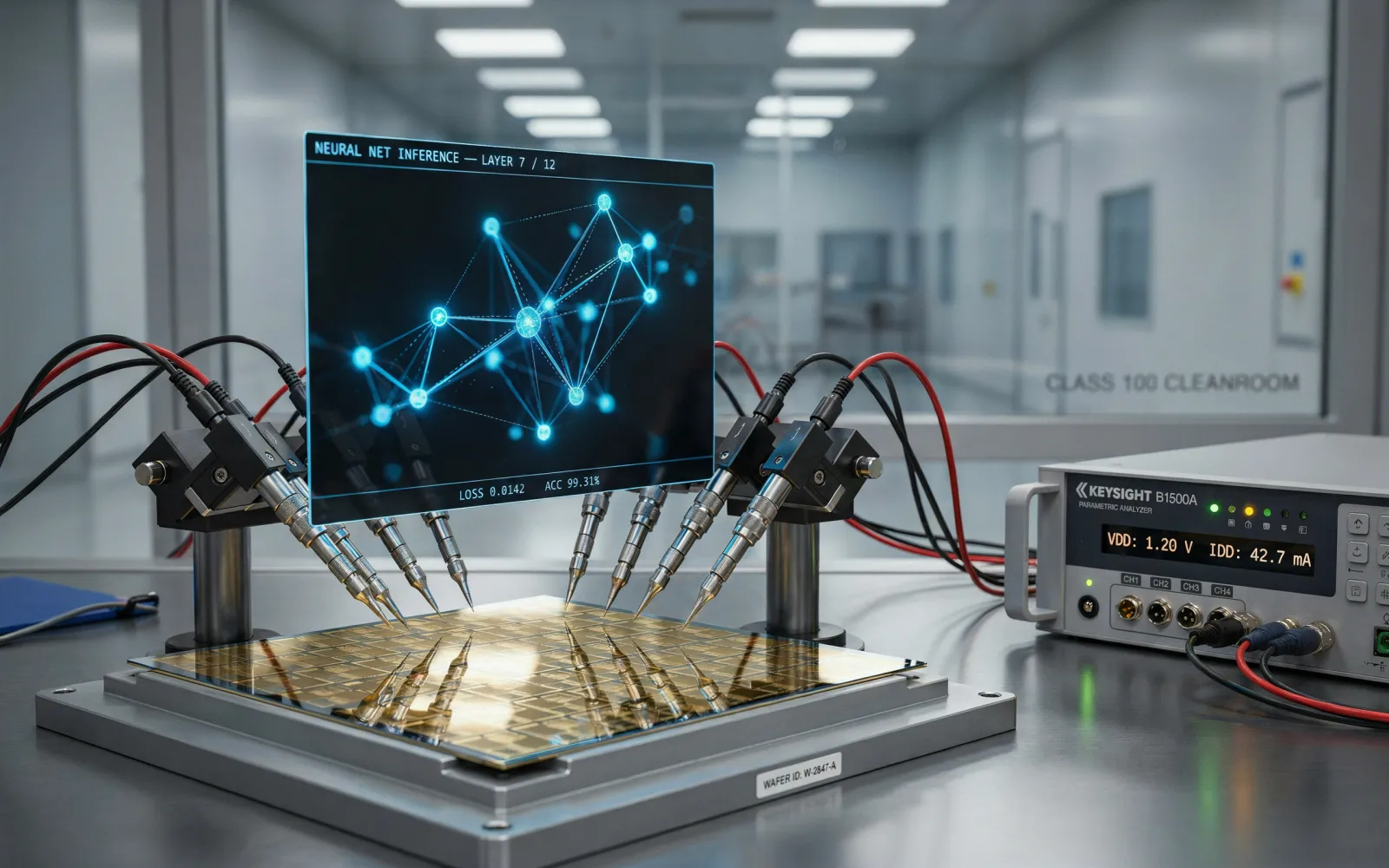
Chip testing and packaging are the final quality checkpoints in the semiconductor supply chain. After wafers are fabricated, they are diced into individual dies and assembled into finished packages. Testing verifies that each die meets performance and reliability specifications before it is shipped to customers. By adding a dedicated testing facility in Vietnam, Samsung can shorten lead times for its memory products and reduce dependence on overseas testing centers.
Vietnam’s government has positioned the country as a growing hub for semiconductor manufacturing. The Thai Nguyen industrial park, where the new plant will be located, is part of a broader effort to attract high‑value technology investment. The project aligns with the country’s strategy to move beyond low‑cost assembly toward more advanced, knowledge‑intensive manufacturing.
Samsung’s investment also reflects a broader industry trend. Global semiconductor makers are expanding testing and packaging capabilities in regions with lower labor costs and supportive infrastructure. The move is expected to strengthen Samsung’s competitive position in the memory market, where it remains the world’s largest producer.
Construction has already begun, and the company has secured the necessary permits from Vietnamese authorities. Samsung has indicated that it will use the facility to support its existing smartphone and tablet production lines, which are located nearby.
At present, the project is in the final stages of regulatory approval. Samsung has not yet announced a specific launch date for the second factory, but the 2031 target is confirmed in the investment registration.
In short, Samsung’s $4 billion investment in a chip‑testing plant in Vietnam represents a significant expansion of its semiconductor footprint in Southeast Asia. The facility will begin partial operations in late 2027, with a second plant slated for 2031. The project is expected to create thousands of jobs and support the company’s growing demand for memory chips driven by AI workloads. Samsung’s move underscores the importance of testing and packaging in the global semiconductor supply chain and highlights Vietnam’s emerging role as a technology manufacturing hub.
The company will build a 266,000‑square‑metre chip‑testing and packaging plant in Thai Nguyen province. Company documents obtained by AFP show the project will unfold in two phases: a first factory that will begin partial operations in November 2027, and a second plant slated to start production in 2031.
Samsung plans to spend roughly $1.5 billion on site development and is prepared to reinvest up to $2.5 billion of future earnings from the project. The new facility will create about 3,750 jobs, according to registration documents signed by local authorities.
It will be the South Korean giant’s first chip‑testing plant in Vietnam, a country where it has already invested more than $23 billion in manufacturing and assembly operations. The move comes on the heels of Samsung’s record earnings in the first quarter of 2026, when revenue surged thanks largely to demand for memory chips used in artificial‑intelligence (AI) systems.
Chip testing and packaging are the final quality checkpoints in the semiconductor supply chain. After wafers are fabricated, they are diced into individual dies and assembled into finished packages. Testing verifies that each die meets performance and reliability specifications before it is shipped to customers. By adding a dedicated testing facility in Vietnam, Samsung can shorten lead times for its memory products and reduce dependence on overseas testing centers.
Vietnam’s government has positioned the country as a growing hub for semiconductor manufacturing. The Thai Nguyen industrial park, where the new plant will be located, is part of a broader effort to attract high‑value technology investment. The project aligns with the country’s strategy to move beyond low‑cost assembly toward more advanced, knowledge‑intensive manufacturing.
Samsung’s investment also reflects a broader industry trend. Global semiconductor makers are expanding testing and packaging capabilities in regions with lower labor costs and supportive infrastructure. The move is expected to strengthen Samsung’s competitive position in the memory market, where it remains the world’s largest producer.
Construction has already begun, and the company has secured the necessary permits from Vietnamese authorities. Samsung has indicated that it will use the facility to support its existing smartphone and tablet production lines, which are located nearby.
At present, the project is in the final stages of regulatory approval. Samsung has not yet announced a specific launch date for the second factory, but the 2031 target is confirmed in the investment registration.
In short, Samsung’s $4 billion investment in a chip‑testing plant in Vietnam represents a significant expansion of its semiconductor footprint in Southeast Asia. The facility will begin partial operations in late 2027, with a second plant slated for 2031. The project is expected to create thousands of jobs and support the company’s growing demand for memory chips driven by AI workloads. Samsung’s move underscores the importance of testing and packaging in the global semiconductor supply chain and highlights Vietnam’s emerging role as a technology manufacturing hub.








