Blab Tech
Nashville Zoo Opposes Proposed Data Center Near Its Grounds
When the roar of a clouded leopard is eclipsed by the hum of cooling towers, the Nashville Zoo’s fight for its animals turns into a battle against the invisible forces of the digital age. The zoo, which occupies 188 acres on a former slave plantation about six miles southeast of downtown Nashville, has launched a petition and is seeking a zoning moratorium after a 69,000‑square‑foot data‑center project was announced for a site adjacent to its property.
The developer behind the proposal is DC BLOX, an Atlanta‑based data‑center operator that plans to build the facility at 648 Grassmere Park, roughly 50 yards from the zoo’s animal enclosures. The new complex would cover an area the size of 12 football fields and would sit on land that had previously hosted a data center.
Rick Schwartz, the zoo’s president and chief executive officer, warned that the proximity of the proposed facility could disturb the animals, especially the clouded leopards the zoo conserves. Schwartz cited concerns about noise from cooling equipment, artificial light, and electrical hums that could interfere with breeding. He called the facility a “direct threat” to the zoo’s fragile collection.
In early June, the zoo’s online petition gathered more than 180,000 signatures and 25,000 shares on Facebook. The petition urges city officials to intervene to protect the animals and to consider a moratorium on data‑center construction in the area.
Metropolitan Council member Courtney Johnston, whose district includes the zoo, said she has received “a flood of phone calls, emails, and text messages” from residents. Johnston filed a zoning appeal and announced that the council would vote on a data‑center moratorium on Tuesday.
Mayor Freddie O’Connell has expressed concerns but has not ruled out the project. In a briefing, the mayor’s office said the city’s legal department is reviewing the proposal. The mayor noted that the developers had applied for site permits before the purchase of the property was finalized, a move that some residents view as an attempt to secure building rights ahead of local regulation.
DC BLOX released a statement acknowledging the concerns. The company said it would work with local officials, the community, and the zoo to minimize impacts. The statement emphasized that the proposed facility would not be an “AI factory placing a burden on local resources.” The developer said it would use closed‑loop or water‑less cooling designs, pay for all power used, and maintain noise levels within measurable acceptable limits.
The zoo, which hosts more than 3,700 animals representing over 350 species, welcomed approximately 1.4 million visitors in 2025. The facility is managed by a private nonprofit organization on city‑owned land.
The proposed data center is part of a broader trend of opposition to new data‑center projects across the United States. Communities have raised concerns about electricity and water consumption, noise pollution, and the environmental footprint of large facilities that support cloud services and artificial‑intelligence workloads.
The Nashville project is the latest example of local resistance. According to reports, the city currently lacks zoning rules or building regulations specific to data centers. The metropolitan council’s upcoming vote on a moratorium could set a precedent for other municipalities facing similar proposals.
At present, the status of the project remains uncertain. The developer’s purchase is scheduled to close on Monday, and the council’s vote is set for Tuesday. The zoo’s petition and the council’s moratorium proposal are the main mechanisms the community is using to influence the outcome.
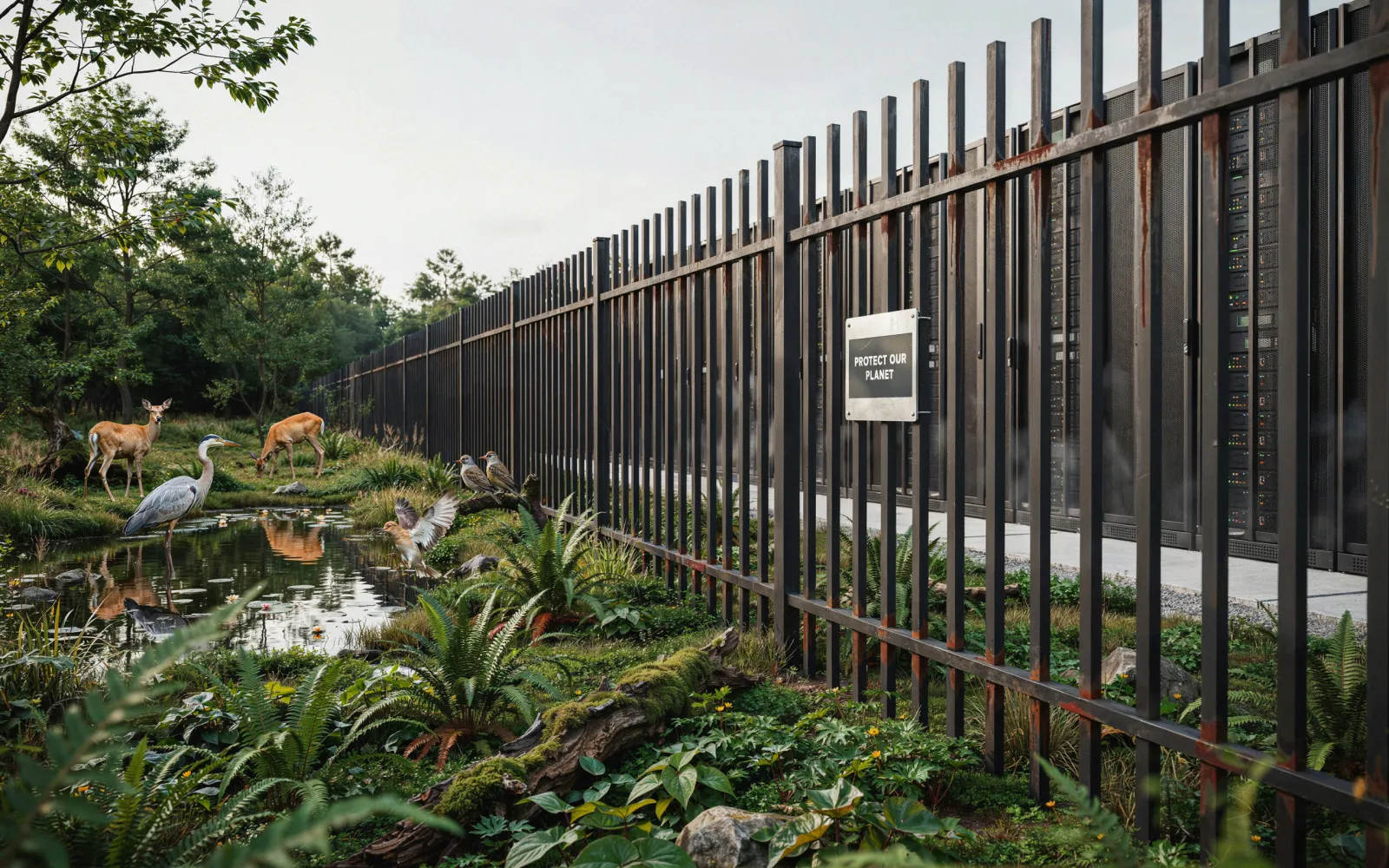
The situation illustrates the growing tension between the rapid expansion of data‑center infrastructure and the interests of local communities and conservation organizations. The outcome of the council vote and the mayor’s review will determine whether the 69,000‑square‑foot facility proceeds or is halted.
The debate continues as the city weighs the economic benefits of a new data‑center against the environmental and wildlife concerns raised by the zoo and its supporters.
The developer behind the proposal is DC BLOX, an Atlanta‑based data‑center operator that plans to build the facility at 648 Grassmere Park, roughly 50 yards from the zoo’s animal enclosures. The new complex would cover an area the size of 12 football fields and would sit on land that had previously hosted a data center.
Rick Schwartz, the zoo’s president and chief executive officer, warned that the proximity of the proposed facility could disturb the animals, especially the clouded leopards the zoo conserves. Schwartz cited concerns about noise from cooling equipment, artificial light, and electrical hums that could interfere with breeding. He called the facility a “direct threat” to the zoo’s fragile collection.
In early June, the zoo’s online petition gathered more than 180,000 signatures and 25,000 shares on Facebook. The petition urges city officials to intervene to protect the animals and to consider a moratorium on data‑center construction in the area.
Metropolitan Council member Courtney Johnston, whose district includes the zoo, said she has received “a flood of phone calls, emails, and text messages” from residents. Johnston filed a zoning appeal and announced that the council would vote on a data‑center moratorium on Tuesday.
Mayor Freddie O’Connell has expressed concerns but has not ruled out the project. In a briefing, the mayor’s office said the city’s legal department is reviewing the proposal. The mayor noted that the developers had applied for site permits before the purchase of the property was finalized, a move that some residents view as an attempt to secure building rights ahead of local regulation.
DC BLOX released a statement acknowledging the concerns. The company said it would work with local officials, the community, and the zoo to minimize impacts. The statement emphasized that the proposed facility would not be an “AI factory placing a burden on local resources.” The developer said it would use closed‑loop or water‑less cooling designs, pay for all power used, and maintain noise levels within measurable acceptable limits.
The zoo, which hosts more than 3,700 animals representing over 350 species, welcomed approximately 1.4 million visitors in 2025. The facility is managed by a private nonprofit organization on city‑owned land.
The proposed data center is part of a broader trend of opposition to new data‑center projects across the United States. Communities have raised concerns about electricity and water consumption, noise pollution, and the environmental footprint of large facilities that support cloud services and artificial‑intelligence workloads.
The Nashville project is the latest example of local resistance. According to reports, the city currently lacks zoning rules or building regulations specific to data centers. The metropolitan council’s upcoming vote on a moratorium could set a precedent for other municipalities facing similar proposals.
At present, the status of the project remains uncertain. The developer’s purchase is scheduled to close on Monday, and the council’s vote is set for Tuesday. The zoo’s petition and the council’s moratorium proposal are the main mechanisms the community is using to influence the outcome.
The situation illustrates the growing tension between the rapid expansion of data‑center infrastructure and the interests of local communities and conservation organizations. The outcome of the council vote and the mayor’s review will determine whether the 69,000‑square‑foot facility proceeds or is halted.
The debate continues as the city weighs the economic benefits of a new data‑center against the environmental and wildlife concerns raised by the zoo and its supporters.








