Blab Tech
Meta AI Code for Ray-Ban Smart Glasses Reveals Unreleased Facial-Recognition Feature
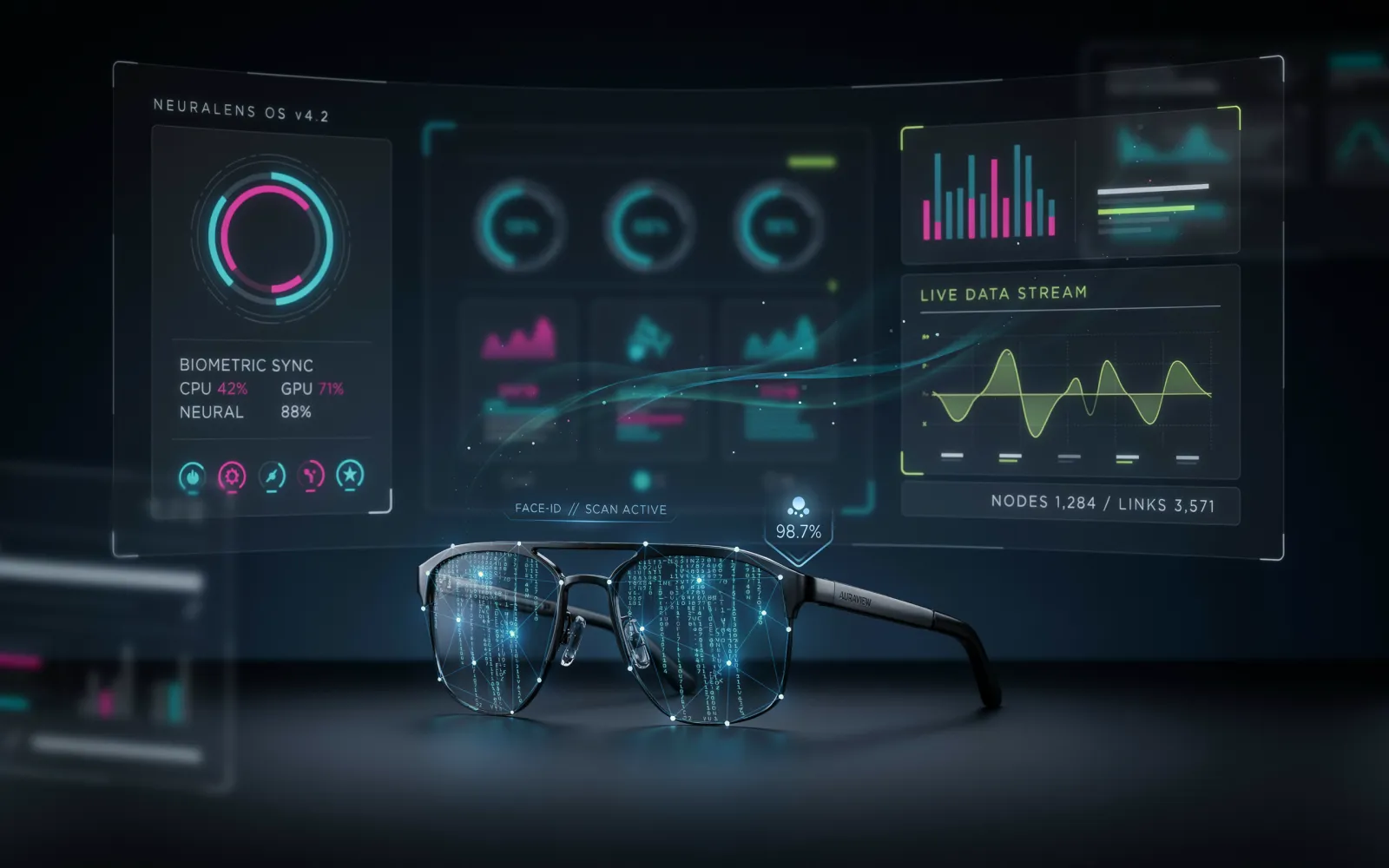
A recent investigation by Wired uncovered that the Meta AI application, which powers Meta Platforms’ Ray‑Ban and Oakley smart glasses, contains code for an undeployed facial‑recognition system. The code, internally referred to as "NameTag" and later renamed "Connections" in later builds, is designed to detect faces, adjust their position in the camera frame, and compare the resulting biometric data with templates stored on a user’s smartphone.
The discovery came after Wired analysts examined multiple updates of the Meta AI app, which has been downloaded more than 50 million times. The app integrates with the glasses’ two 12‑megapixel cameras, open‑ear speakers, microphone, touchpad, and Qualcomm Snapdragon AR1 Gen1 processor. According to the analysis, the facial‑recognition code is not currently enabled for consumers and is not accessible through the app or the glasses.
If activated, the feature would allow wearers to receive real‑time notifications when a familiar person appears within the field of view. Meta’s spokesperson Ryan Daniels said the code represents early‑stage experimentation and that no final decision has been made about releasing the functionality. Daniels also noted that, should the feature be introduced, it would be built with privacy safeguards, including transparency measures and the absence of a centralized facial‑database.
Meta’s smart‑glasses line was first announced on September 27 2023 in partnership with EssilorLuxottica. The glasses, marketed as Ray‑Ban Meta and Oakley Meta, are the second generation of wearable devices that combine everyday eyewear with augmented‑reality capabilities. In April 2024, Meta released an update that added multimodal input via computer vision, and the glasses have since gained features such as live‑translation, QR‑code scanning, and reminders.
The revelation of facial‑recognition code has reignited concerns about privacy and biometric surveillance. The glasses have already faced criticism for their small recording‑indicator light and for the broader trust issues surrounding Meta’s data‑handling practices. Industry observers point out that wearable AI devices are moving toward “always‑on” assistants, which could make everyday interactions more seamless—such as recalling names in social or professional settings—but also raise complex ethical questions about consent, surveillance, and the normalization of real‑time identity tracking in public spaces.
Meta’s response echoes statements made by the company in previous public communications. The company has repeatedly emphasized that any facial‑recognition feature would not rely on a centralized database and would instead compare biometric data locally on the user’s device. No regulatory filings, court actions, or official product releases have yet confirmed the deployment of the NameTag/Connections feature.
As of now, the facial‑recognition code remains a hidden component of the Meta AI app. The company has not announced any forthcoming product launch that would enable the feature, and no updates have indicated that it has been activated for consumers. The debate continues as Meta and other wearable‑tech firms navigate the balance between enhancing user experience and protecting individual privacy.
In summary, the Wired investigation shows that Meta’s smart‑glasses platform contains an undeployed facial‑recognition system. The feature, still in the experimentation phase, could provide real‑time identity notifications if released. Meta has stated that any future implementation would prioritize privacy safeguards. The situation remains unresolved, with no public release or regulatory action announced.
The discovery came after Wired analysts examined multiple updates of the Meta AI app, which has been downloaded more than 50 million times. The app integrates with the glasses’ two 12‑megapixel cameras, open‑ear speakers, microphone, touchpad, and Qualcomm Snapdragon AR1 Gen1 processor. According to the analysis, the facial‑recognition code is not currently enabled for consumers and is not accessible through the app or the glasses.
If activated, the feature would allow wearers to receive real‑time notifications when a familiar person appears within the field of view. Meta’s spokesperson Ryan Daniels said the code represents early‑stage experimentation and that no final decision has been made about releasing the functionality. Daniels also noted that, should the feature be introduced, it would be built with privacy safeguards, including transparency measures and the absence of a centralized facial‑database.
Meta’s smart‑glasses line was first announced on September 27 2023 in partnership with EssilorLuxottica. The glasses, marketed as Ray‑Ban Meta and Oakley Meta, are the second generation of wearable devices that combine everyday eyewear with augmented‑reality capabilities. In April 2024, Meta released an update that added multimodal input via computer vision, and the glasses have since gained features such as live‑translation, QR‑code scanning, and reminders.
The revelation of facial‑recognition code has reignited concerns about privacy and biometric surveillance. The glasses have already faced criticism for their small recording‑indicator light and for the broader trust issues surrounding Meta’s data‑handling practices. Industry observers point out that wearable AI devices are moving toward “always‑on” assistants, which could make everyday interactions more seamless—such as recalling names in social or professional settings—but also raise complex ethical questions about consent, surveillance, and the normalization of real‑time identity tracking in public spaces.
Meta’s response echoes statements made by the company in previous public communications. The company has repeatedly emphasized that any facial‑recognition feature would not rely on a centralized database and would instead compare biometric data locally on the user’s device. No regulatory filings, court actions, or official product releases have yet confirmed the deployment of the NameTag/Connections feature.
As of now, the facial‑recognition code remains a hidden component of the Meta AI app. The company has not announced any forthcoming product launch that would enable the feature, and no updates have indicated that it has been activated for consumers. The debate continues as Meta and other wearable‑tech firms navigate the balance between enhancing user experience and protecting individual privacy.
In summary, the Wired investigation shows that Meta’s smart‑glasses platform contains an undeployed facial‑recognition system. The feature, still in the experimentation phase, could provide real‑time identity notifications if released. Meta has stated that any future implementation would prioritize privacy safeguards. The situation remains unresolved, with no public release or regulatory action announced.








