Blab Tech
Kawasaki Heavy Industries Teams With EdgeCortix to Integrate AI Chips into Japanese Aerial Defense Platforms
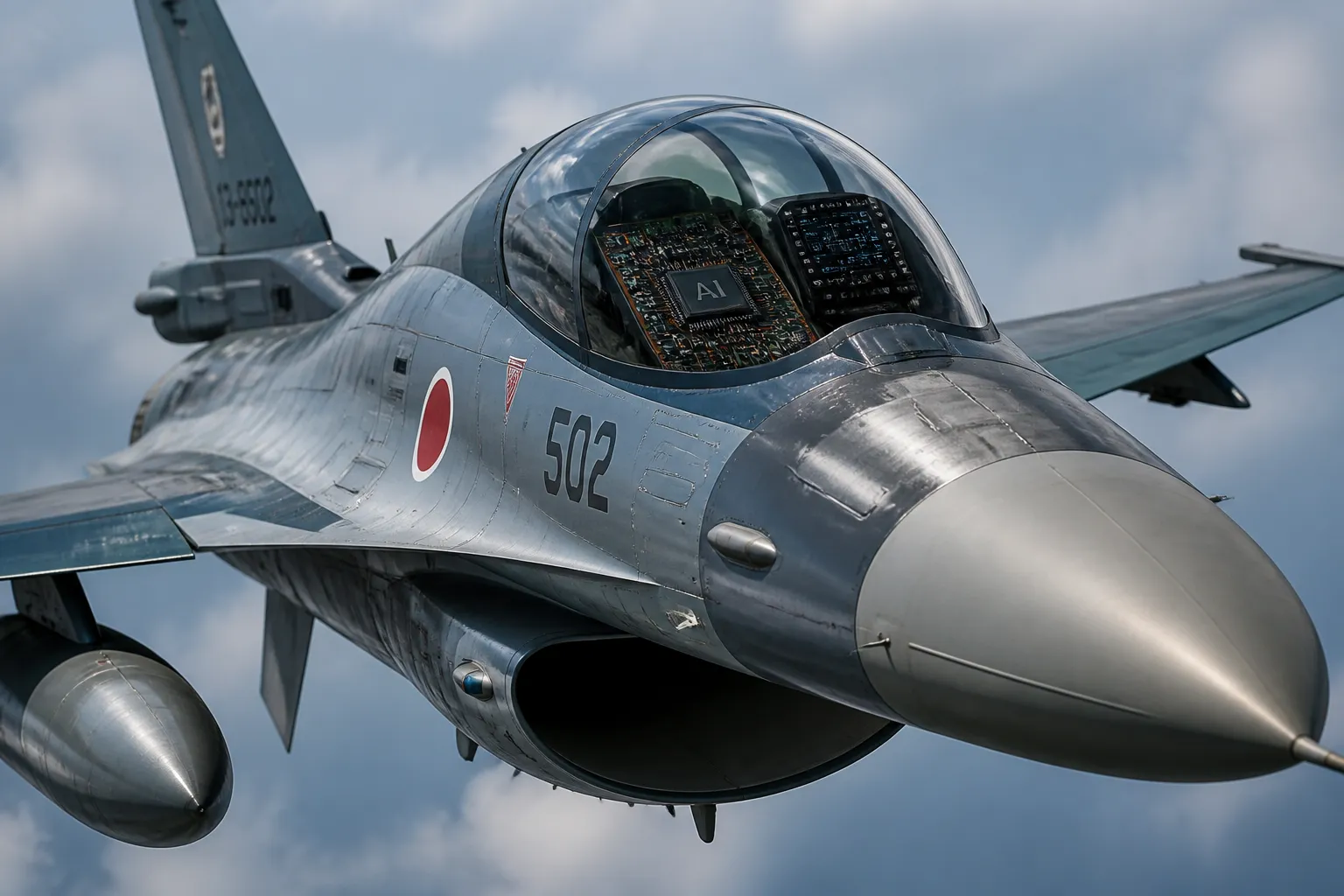
In a move that signals a tightening of Japan’s domestic defense tech ecosystem, Kawasaki Heavy Industries Ltd. (KHI) announced a three‑year teaming agreement with Kanagawa‑based fabless semiconductor firm EdgeCortix. Effective 2026‑2028, the deal will see EdgeCortix’s AI accelerators embedded in Japanese aerial defense platforms. The contract, described as a “several million U.S. dollars in aggregate program value,” covers technology development, feasibility studies, system integration and prototype platforms, with no production or delivery dates set.
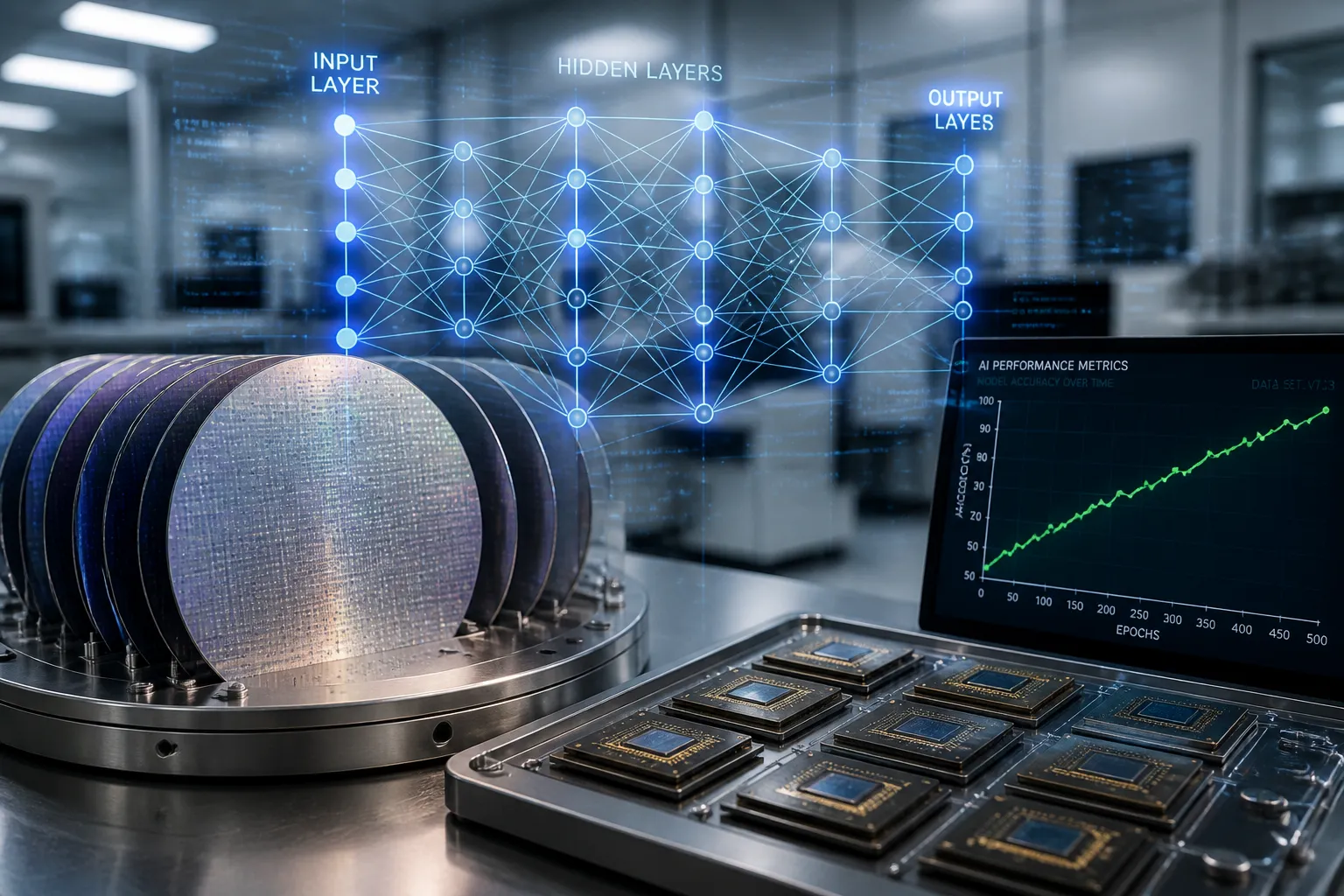
EdgeCortix, founded in 2019, has raised just over $110 million in total funding. Its flagship product, the SAKURA‑II accelerator, is an energy‑efficient edge AI chip that employs a low‑latency Dynamic Neural Accelerator (DNA) architecture. In June 2025 the U.S. Air Force flew the SAKURA‑II in a large force exercise, and the Pentagon’s Defense Innovation Unit (DIU) issued a Success Memorandum. The memorandum does not award money; it removes a procurement obstacle, allowing any federal agency to buy the solution without a new competition.
EdgeCortix has also demonstrated radiation resilience to NASA’s heavy‑ion tests, qualifying the chip for low‑Earth orbit and cislunar space. The company received a strategic investment from Axiro Semiconductor, a subsidiary of India’s CG Power and Industrial Solutions, and secured about ¥7 billion in Japanese state research funding through the New Energy and Industrial Technology Development Organization (NEDO) in 2024 and 2025. Its presence was highlighted at the Singapore Airshow, where the Japanese defense procurement agency showcased the chip.
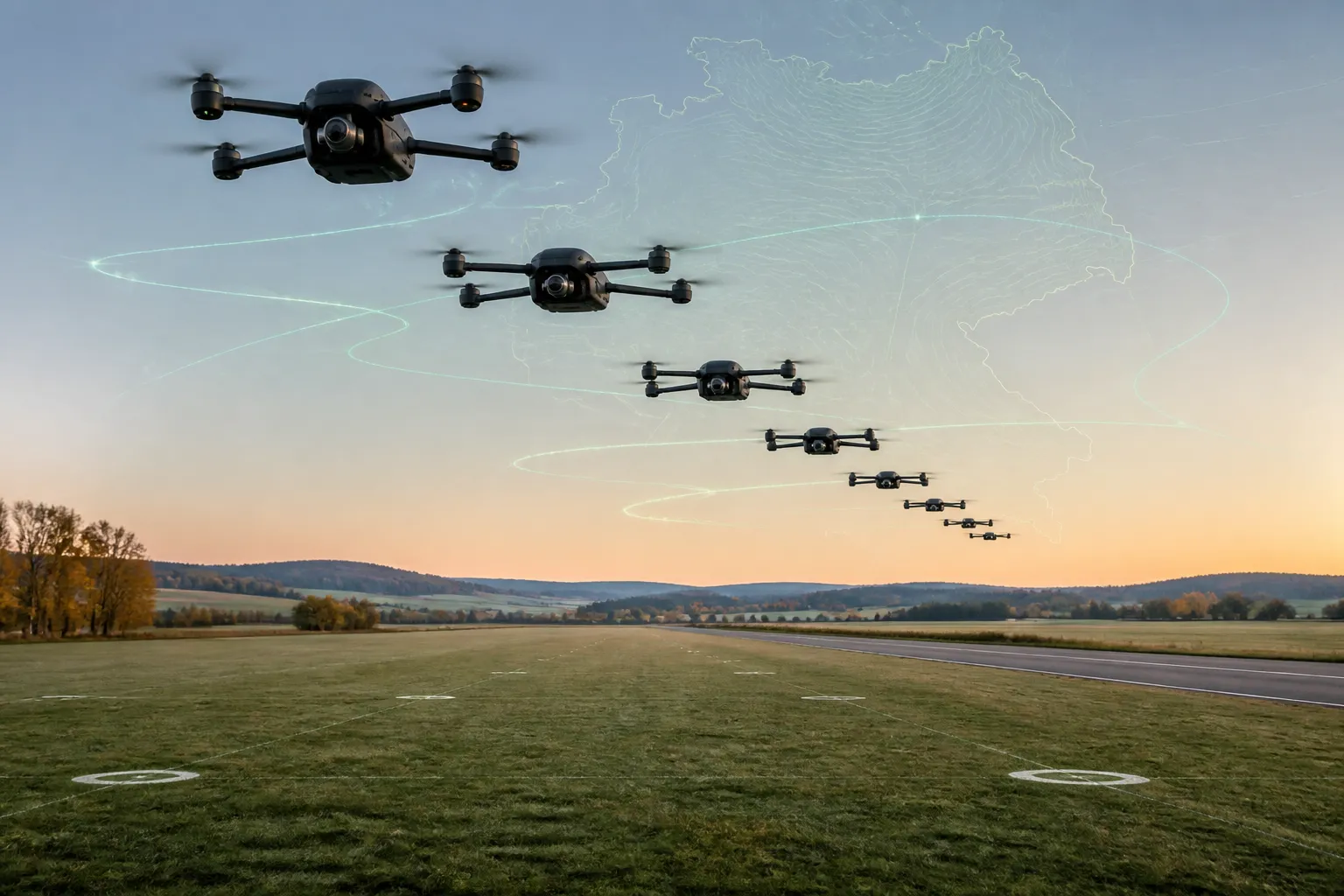
Kawasaki’s defense division recorded ¥613.6 billion in revenue last fiscal year and maintains an order backlog exceeding ¥1.5 trillion. Defense accounts for roughly 20 % of the group’s revenue. The company’s current unmanned assets include the P‑1 maritime patrol aircraft, the C‑2 transport, and the K‑RACER compound helicopter. In June 2026 Kawasaki entered a study agreement with Airbus Defence and Space to evaluate the Eurodrone for anti‑submarine warfare. Kawasaki has also pursued a collaborative support aircraft concept, though that work appears to be company‑funded.
The EdgeCortix deal represents a strategic bet on a capability that Kawasaki does not yet have a customer for. By integrating a domestically funded AI chip, Kawasaki sidesteps U.S. export controls that would apply to American silicon. Japan’s defense budget for fiscal 2026—¥9.04 trillion, up 3.8 %—prioritises unmanned systems and stand‑off missiles, and the government has issued an AI policy and procurement guidelines that emphasize unmanned assets.
Industry observers note that EdgeCortix sits at the intersection of several governments’ defense programs. The company’s technology is already being tested by U.S., Japanese, and Indian defense establishments, and it has attracted attention from major semiconductor players. Analog Devices announced a $1.35 billion purchase of Alif Semiconductor, a competitor in the edge‑AI space, earlier this month.
What remains uncertain is whether the program will advance beyond prototypes, whether the chiplets funded by Japanese state money will be used, and whether a single supplier’s presence in three defense ecosystems will raise concerns for Washington or Tokyo.
At present, Kawasaki and EdgeCortix have stated that the agreement will expand as technical milestones are met. The next steps will determine whether the several‑million‑dollar study turns into a production contract and whether the partnership will influence Japan’s broader strategy for domestic AI‑enabled defense hardware.
EdgeCortix, founded in 2019, has raised just over $110 million in total funding. Its flagship product, the SAKURA‑II accelerator, is an energy‑efficient edge AI chip that employs a low‑latency Dynamic Neural Accelerator (DNA) architecture. In June 2025 the U.S. Air Force flew the SAKURA‑II in a large force exercise, and the Pentagon’s Defense Innovation Unit (DIU) issued a Success Memorandum. The memorandum does not award money; it removes a procurement obstacle, allowing any federal agency to buy the solution without a new competition.
EdgeCortix has also demonstrated radiation resilience to NASA’s heavy‑ion tests, qualifying the chip for low‑Earth orbit and cislunar space. The company received a strategic investment from Axiro Semiconductor, a subsidiary of India’s CG Power and Industrial Solutions, and secured about ¥7 billion in Japanese state research funding through the New Energy and Industrial Technology Development Organization (NEDO) in 2024 and 2025. Its presence was highlighted at the Singapore Airshow, where the Japanese defense procurement agency showcased the chip.
Kawasaki’s defense division recorded ¥613.6 billion in revenue last fiscal year and maintains an order backlog exceeding ¥1.5 trillion. Defense accounts for roughly 20 % of the group’s revenue. The company’s current unmanned assets include the P‑1 maritime patrol aircraft, the C‑2 transport, and the K‑RACER compound helicopter. In June 2026 Kawasaki entered a study agreement with Airbus Defence and Space to evaluate the Eurodrone for anti‑submarine warfare. Kawasaki has also pursued a collaborative support aircraft concept, though that work appears to be company‑funded.
The EdgeCortix deal represents a strategic bet on a capability that Kawasaki does not yet have a customer for. By integrating a domestically funded AI chip, Kawasaki sidesteps U.S. export controls that would apply to American silicon. Japan’s defense budget for fiscal 2026—¥9.04 trillion, up 3.8 %—prioritises unmanned systems and stand‑off missiles, and the government has issued an AI policy and procurement guidelines that emphasize unmanned assets.
Industry observers note that EdgeCortix sits at the intersection of several governments’ defense programs. The company’s technology is already being tested by U.S., Japanese, and Indian defense establishments, and it has attracted attention from major semiconductor players. Analog Devices announced a $1.35 billion purchase of Alif Semiconductor, a competitor in the edge‑AI space, earlier this month.
What remains uncertain is whether the program will advance beyond prototypes, whether the chiplets funded by Japanese state money will be used, and whether a single supplier’s presence in three defense ecosystems will raise concerns for Washington or Tokyo.
At present, Kawasaki and EdgeCortix have stated that the agreement will expand as technical milestones are met. The next steps will determine whether the several‑million‑dollar study turns into a production contract and whether the partnership will influence Japan’s broader strategy for domestic AI‑enabled defense hardware.