Blab Tech
Custom Audio Tones Show Promise for Autonomous Vehicle Pedestrian Communication
When a car’s horn is no longer an option, a new sound could keep pedestrians safe.
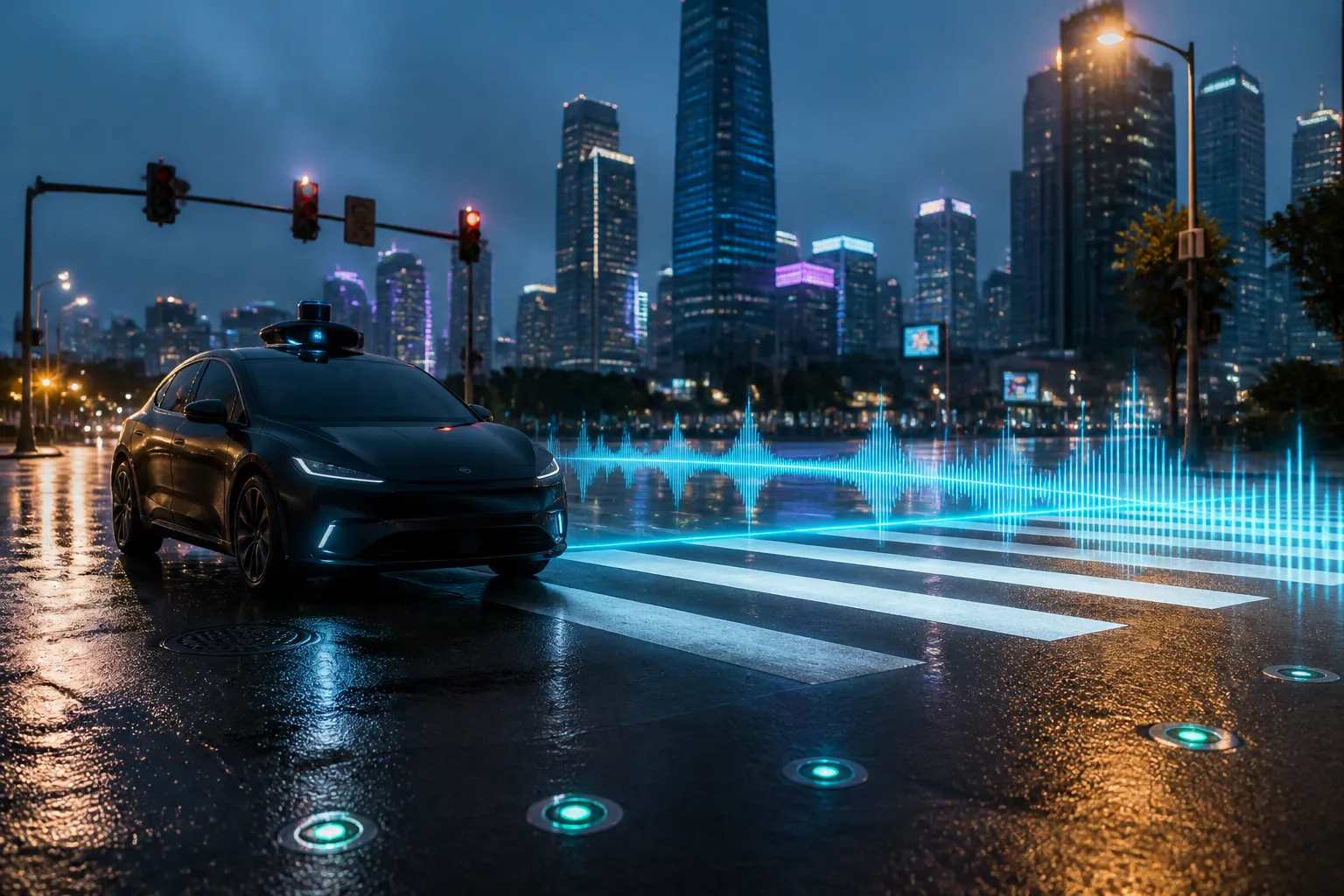
Virginia Tech and the Amazon‑owned autonomous ride‑hailing company Zoox have published a study that demonstrates custom audio tones can effectively communicate a vehicle’s intent to pedestrians. The research, presented at the 28th Enhanced Safety of Vehicles Conference in Toronto and sponsored by the U.S. National Highway Traffic Safety Administration and Transport Canada, found that the tones were as effective as a traditional horn in influencing pedestrian crossing decisions, especially in jaywalking situations.
In a world where a driver’s eye contact, hand wave, or nod are the primary signals that tell a pedestrian when it is safe to cross, an autonomous vehicle has none of those cues. The Virginia Tech Transportation Institute (VTTI) team addressed this gap by creating a realistic traffic environment on the Virginia Smart Roads closed‑course test track and recruiting 40 participants to act as pedestrians in two distinct scenarios: crossing a marked crosswalk and jaywalking in front of an automated test vehicle.
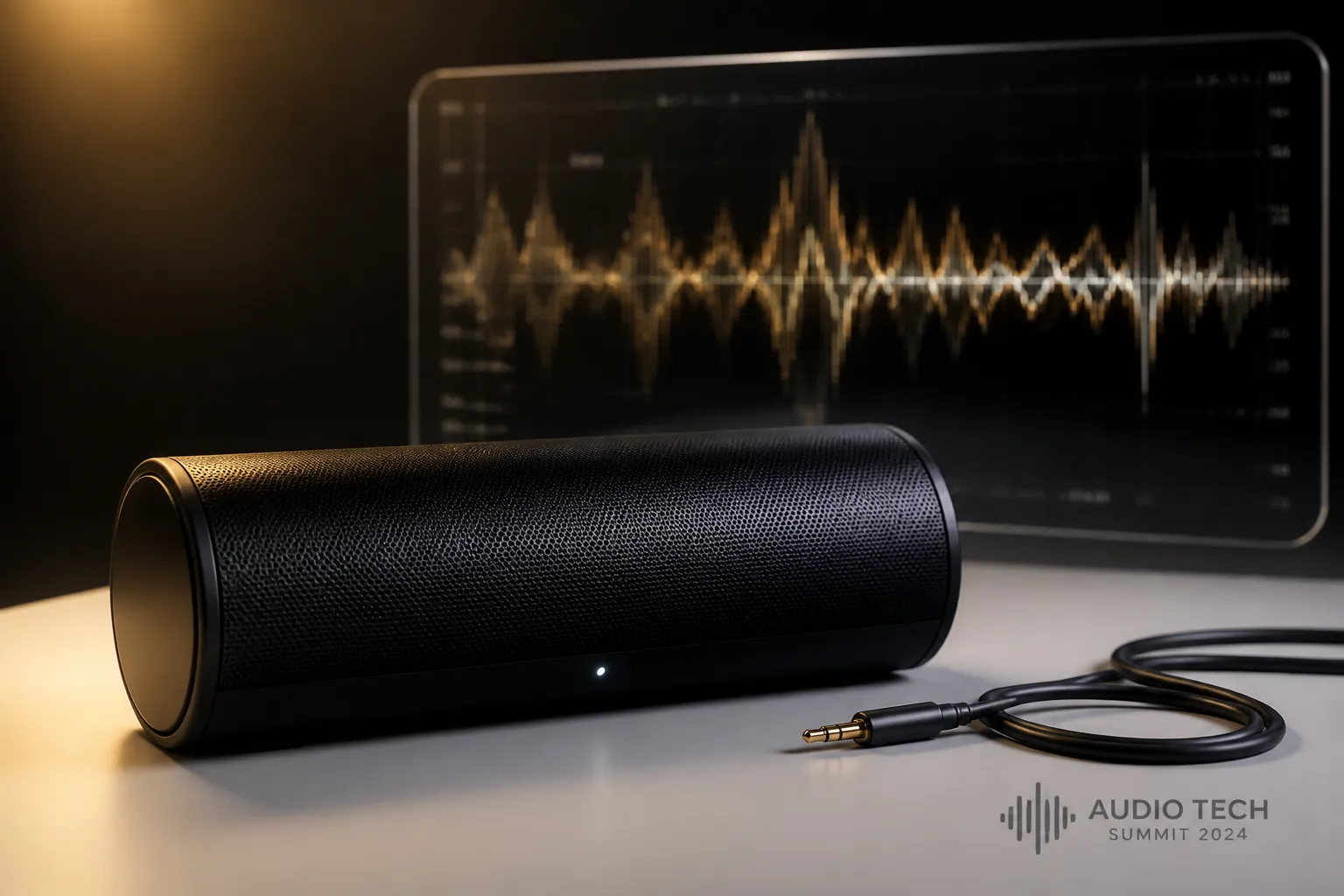
Zoox designed seven unique sounds that conveyed either an urgent “stop, vehicle is here and moving” message or a “vehicle is here and waiting” message. The sounds were produced through an external speaker system mounted on a Zoox test‑fleet vehicle. Researchers measured the time between the sound and the pedestrian’s decision to cross or not cross, comparing the results to a baseline reaction time to a standard car horn.
In the 200 jaywalking trials, all alert tones successfully discouraged pedestrians from crossing, matching the effectiveness of a horn while being perceived more favorably. In the 160 crosswalk trials, waiting tones encouraged safe passage across a crosswalk less than half the time, and the time to cross did not differ significantly from the baseline. Participants also ranked the tones on qualities such as urgency, friendliness, and aggression.
The study included pedestrians with a range of visual abilities. Half the participants reported normal or corrected‑to‑normal vision, while the other half had non‑correctable vision or an acuity of 20/200 or worse. The goal was to ensure that the tones could communicate effectively to those who may rely less on visual cues.
The test‑fleet vehicles were capable of autonomous driving but were typically operated by human drivers. To maintain the illusion of an autonomous vehicle, the driver was concealed in a “seat suit,” a VTTI invention that masks the presence of a human operator.
Virginia Tech research scientist Charlie Klauer emphasized that pedestrian safety is a critical component of autonomous vehicle development. “All road users—pedestrians, bicyclists, mopeds, scooters—count,” he said. Zoox sound‑design lead Jeremy Yang noted that sound is one of the most innate senses and that the company is exploring how non‑traditional automotive sounds can improve safety.
The study’s most promising results came from the jaywalking scenarios, where pedestrians reacted more quickly to the alert tones than to the baseline horn. The crosswalk results were more mixed, suggesting that repeated exposure to a tone may be necessary for pedestrians to learn its meaning.
Both Klauer and Yang view the findings as a starting point for further development. “This is just the beginning,” Yang said. “It is promising to see the impact sound can have in lieu of a driver and how it can improve our ability to communicate with external road users.”
Before these novel sounds can be deployed on public roads, additional research is needed to refine the tones, test them in diverse environments, and establish regulatory guidelines. The Virginia Tech and Zoox teams plan to build on this work in future studies.
The current situation is that custom audio tones have shown potential to match a horn’s effectiveness in influencing pedestrian behavior, but broader validation and regulatory approval remain pending. Future work will focus on refining the tones, expanding testing to include a wider range of pedestrian demographics, and exploring how these sounds can be integrated into autonomous vehicle systems.
Virginia Tech and the Amazon‑owned autonomous ride‑hailing company Zoox have published a study that demonstrates custom audio tones can effectively communicate a vehicle’s intent to pedestrians. The research, presented at the 28th Enhanced Safety of Vehicles Conference in Toronto and sponsored by the U.S. National Highway Traffic Safety Administration and Transport Canada, found that the tones were as effective as a traditional horn in influencing pedestrian crossing decisions, especially in jaywalking situations.
In a world where a driver’s eye contact, hand wave, or nod are the primary signals that tell a pedestrian when it is safe to cross, an autonomous vehicle has none of those cues. The Virginia Tech Transportation Institute (VTTI) team addressed this gap by creating a realistic traffic environment on the Virginia Smart Roads closed‑course test track and recruiting 40 participants to act as pedestrians in two distinct scenarios: crossing a marked crosswalk and jaywalking in front of an automated test vehicle.
Zoox designed seven unique sounds that conveyed either an urgent “stop, vehicle is here and moving” message or a “vehicle is here and waiting” message. The sounds were produced through an external speaker system mounted on a Zoox test‑fleet vehicle. Researchers measured the time between the sound and the pedestrian’s decision to cross or not cross, comparing the results to a baseline reaction time to a standard car horn.
In the 200 jaywalking trials, all alert tones successfully discouraged pedestrians from crossing, matching the effectiveness of a horn while being perceived more favorably. In the 160 crosswalk trials, waiting tones encouraged safe passage across a crosswalk less than half the time, and the time to cross did not differ significantly from the baseline. Participants also ranked the tones on qualities such as urgency, friendliness, and aggression.
The study included pedestrians with a range of visual abilities. Half the participants reported normal or corrected‑to‑normal vision, while the other half had non‑correctable vision or an acuity of 20/200 or worse. The goal was to ensure that the tones could communicate effectively to those who may rely less on visual cues.
The test‑fleet vehicles were capable of autonomous driving but were typically operated by human drivers. To maintain the illusion of an autonomous vehicle, the driver was concealed in a “seat suit,” a VTTI invention that masks the presence of a human operator.
Virginia Tech research scientist Charlie Klauer emphasized that pedestrian safety is a critical component of autonomous vehicle development. “All road users—pedestrians, bicyclists, mopeds, scooters—count,” he said. Zoox sound‑design lead Jeremy Yang noted that sound is one of the most innate senses and that the company is exploring how non‑traditional automotive sounds can improve safety.
The study’s most promising results came from the jaywalking scenarios, where pedestrians reacted more quickly to the alert tones than to the baseline horn. The crosswalk results were more mixed, suggesting that repeated exposure to a tone may be necessary for pedestrians to learn its meaning.
Both Klauer and Yang view the findings as a starting point for further development. “This is just the beginning,” Yang said. “It is promising to see the impact sound can have in lieu of a driver and how it can improve our ability to communicate with external road users.”
Before these novel sounds can be deployed on public roads, additional research is needed to refine the tones, test them in diverse environments, and establish regulatory guidelines. The Virginia Tech and Zoox teams plan to build on this work in future studies.
The current situation is that custom audio tones have shown potential to match a horn’s effectiveness in influencing pedestrian behavior, but broader validation and regulatory approval remain pending. Future work will focus on refining the tones, expanding testing to include a wider range of pedestrian demographics, and exploring how these sounds can be integrated into autonomous vehicle systems.