Blab Tech
WhatsApp Tests Third-Party AI Agent Chats in Android Beta
WhatsApp is quietly trialing a feature that lets users invite third‑party AI agents into their conversations.
In the Android beta build 2.26.35.3, the new capability appears as an “Agents” section in the app’s settings. Users can connect up to five agents to a single account, each showing up as its own chat thread. According to WABetaInfo, the rollout is currently limited to a small group of Android users in selected regions.
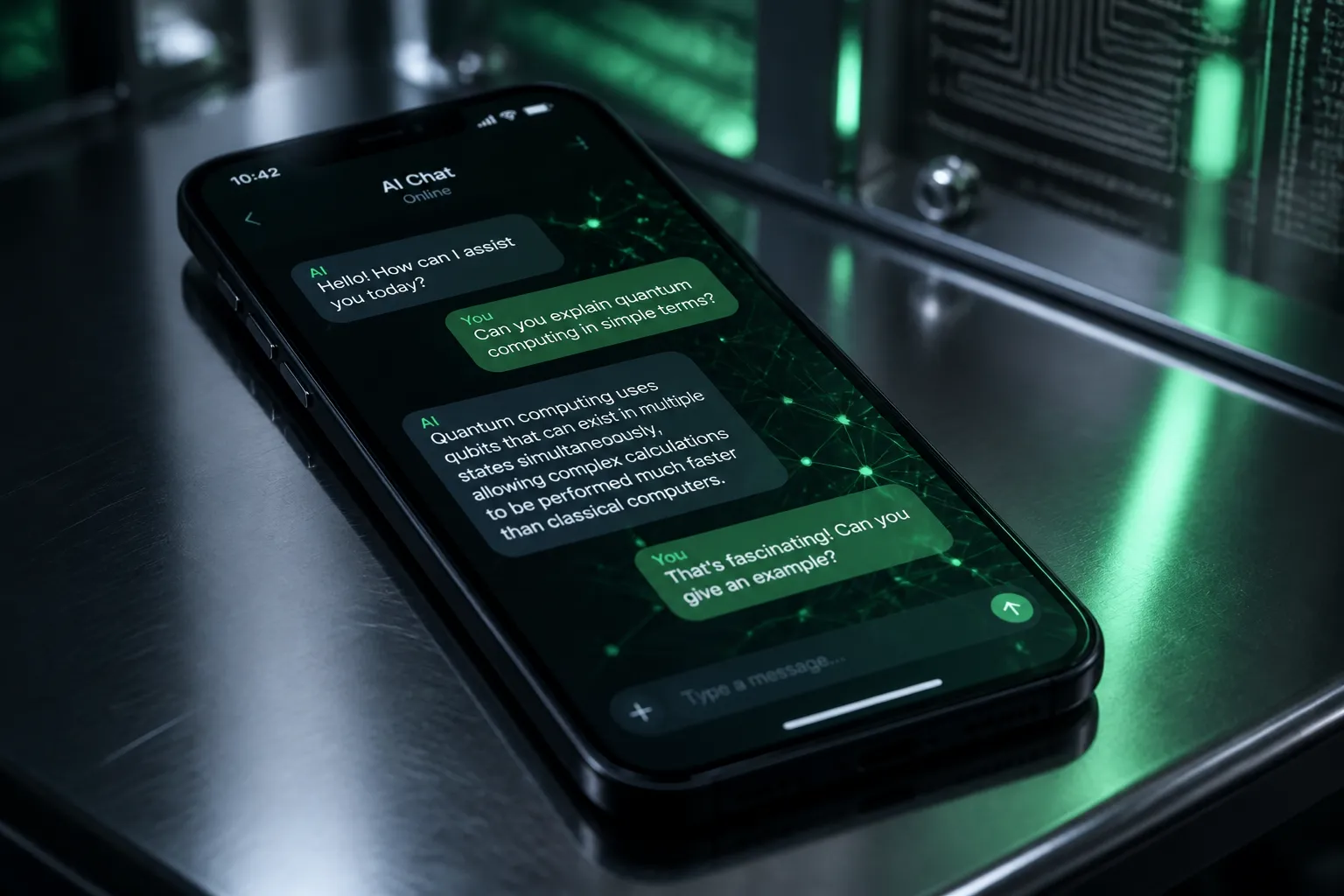
To add an agent, a user supplies the agent’s name and profile details. WhatsApp then generates an API key that the developer must forward to the agent’s hosting platform, completing the connection. Once linked, the agent appears as a fresh conversation in the main chat list. From there, users type to the agent just as they would to a contact, and the AI can reply within that thread, delivering services without leaving the app.
The agents are not confined to simple chatbots. The same mechanism can hook up automated services that perform specific tasks or respond to predefined commands. Developers can build agents using the APIs offered by companies such as OpenAI, Google, and Anthropic. While the term “AI agent” sometimes denotes narrow‑scope bots, the agents WhatsApp is testing are designed to understand natural‑language instructions and, in some cases, carry out actions on a user’s behalf.
Privacy and security differ from ordinary WhatsApp chats. Messages exchanged with third‑party agents are not protected by end‑to‑end encryption because they flow through a Meta service on behalf of the agent developer. The agent is confined to the conversation in which it is used; it cannot read other chats, access the user’s contact list, or view media stored elsewhere. Agents also cannot be added to group chats or communities. This isolation is intended to prevent an external agent from gaining broader access to a user’s account.
Users can remove an agent from the “Agents” settings. Disconnecting an agent stops the connection, but the existing conversation remains visible in the app. Re‑adding the same agent requires a new API key and a fresh connection.
WhatsApp’s move comes amid growing interest in embedding AI tools directly into messaging platforms. The company’s beta testing follows earlier reports that Meta had considered opening the platform to third‑party AI assistants under regulatory pressure in the European Union. However, the current feature is a limited pilot and does not yet signal a full rollout or a change to the app’s privacy framework.
The beta build is available through Google Play, and users who receive the update can experiment with the new feature. Meta has not announced a public release date, and the company has not provided details on how it will handle data usage or compliance with privacy laws beyond the restrictions already described.
At present, the feature is a small step toward integrating AI services into everyday messaging. Whether it will expand to other platforms, support more agents, or become a standard part of WhatsApp’s offering remains to be seen. The pilot will likely inform Meta’s future decisions about AI integration, privacy safeguards, and regulatory compliance.
In the Android beta build 2.26.35.3, the new capability appears as an “Agents” section in the app’s settings. Users can connect up to five agents to a single account, each showing up as its own chat thread. According to WABetaInfo, the rollout is currently limited to a small group of Android users in selected regions.
To add an agent, a user supplies the agent’s name and profile details. WhatsApp then generates an API key that the developer must forward to the agent’s hosting platform, completing the connection. Once linked, the agent appears as a fresh conversation in the main chat list. From there, users type to the agent just as they would to a contact, and the AI can reply within that thread, delivering services without leaving the app.
The agents are not confined to simple chatbots. The same mechanism can hook up automated services that perform specific tasks or respond to predefined commands. Developers can build agents using the APIs offered by companies such as OpenAI, Google, and Anthropic. While the term “AI agent” sometimes denotes narrow‑scope bots, the agents WhatsApp is testing are designed to understand natural‑language instructions and, in some cases, carry out actions on a user’s behalf.
Privacy and security differ from ordinary WhatsApp chats. Messages exchanged with third‑party agents are not protected by end‑to‑end encryption because they flow through a Meta service on behalf of the agent developer. The agent is confined to the conversation in which it is used; it cannot read other chats, access the user’s contact list, or view media stored elsewhere. Agents also cannot be added to group chats or communities. This isolation is intended to prevent an external agent from gaining broader access to a user’s account.
Users can remove an agent from the “Agents” settings. Disconnecting an agent stops the connection, but the existing conversation remains visible in the app. Re‑adding the same agent requires a new API key and a fresh connection.
WhatsApp’s move comes amid growing interest in embedding AI tools directly into messaging platforms. The company’s beta testing follows earlier reports that Meta had considered opening the platform to third‑party AI assistants under regulatory pressure in the European Union. However, the current feature is a limited pilot and does not yet signal a full rollout or a change to the app’s privacy framework.
The beta build is available through Google Play, and users who receive the update can experiment with the new feature. Meta has not announced a public release date, and the company has not provided details on how it will handle data usage or compliance with privacy laws beyond the restrictions already described.
At present, the feature is a small step toward integrating AI services into everyday messaging. Whether it will expand to other platforms, support more agents, or become a standard part of WhatsApp’s offering remains to be seen. The pilot will likely inform Meta’s future decisions about AI integration, privacy safeguards, and regulatory compliance.