Blab Tech
Tesla Launches Cybercab Robotaxi in Austin Amid NHTSA Probe
Tesla rolled out its first paid Cybercab robotaxi rides in Austin on September 3 2026, a quiet milestone that comes as the company faces a fresh regulatory inquiry.
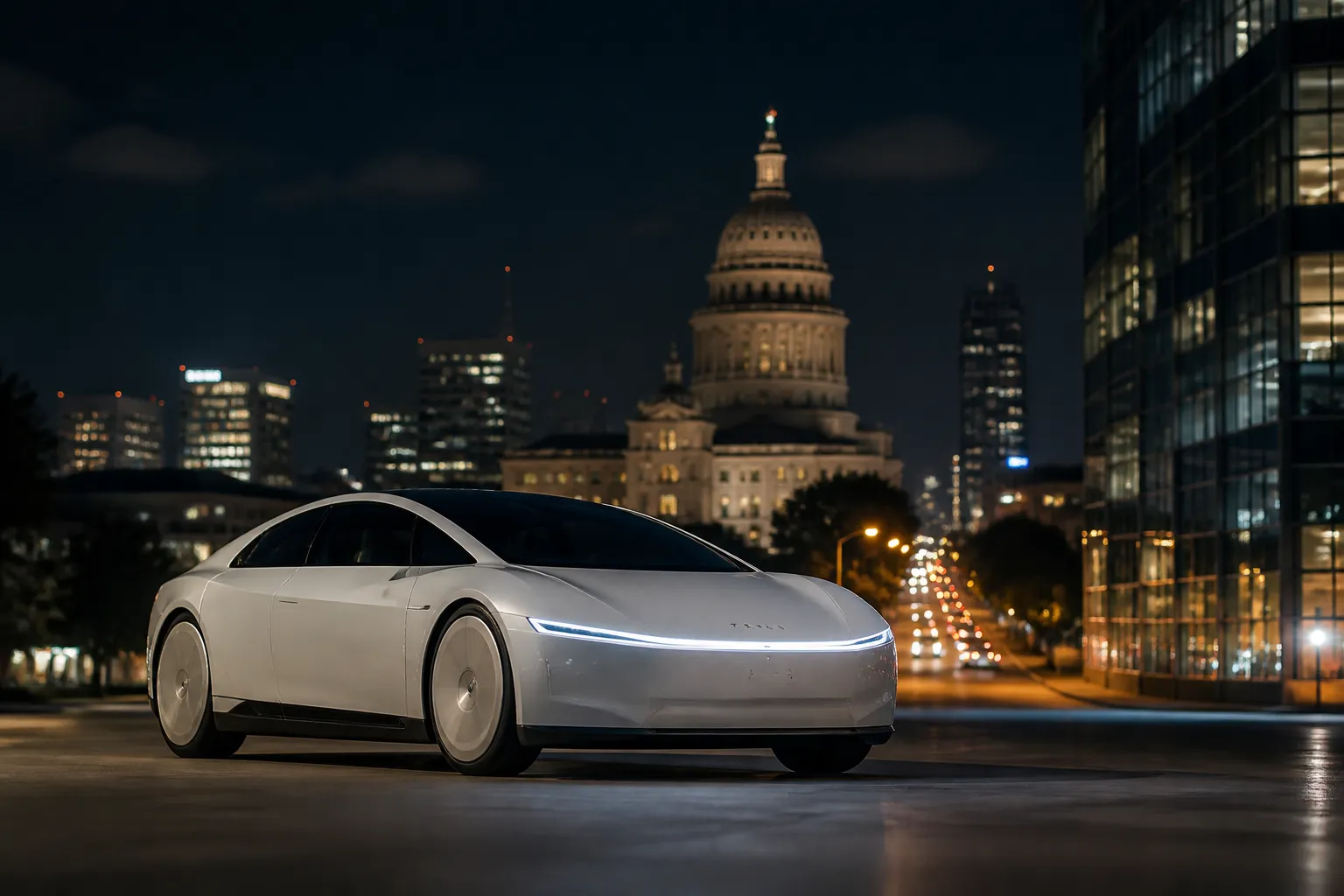
The Cybercab, a two‑passenger battery‑electric car built for autonomous operation, lacks a steering wheel, pedals, side mirrors and a rear window. Its camera‑only driving system replaces the conventional controls that federal safety standards typically require.
The launch was held at Tesla’s Gigafactory Texas and was limited to invited guests. No public livestream was streamed, and CEO Elon Musk was absent, giving the event a subdued tone compared with earlier Tesla gatherings.
On the day of the debut, the Texas Department of Motor Vehicles recorded 45 Cybercabs registered under Tesla Robotaxi, LLC. These vehicles are part of a broader fleet of roughly 420 autonomous vehicles operating in the state, which includes Model Y cars that have been part of the Robotaxi service since June 2025.
Unveiled in October 2024 and put into production in 2026, the Cybercab is designed for energy efficiency and low manufacturing cost, with Tesla targeting an operating cost below $0.30 per mile. The company intends it to become the primary vehicle in its Robotaxi network and has also marketed it to fleet operators.
The vehicle’s absence of traditional driver controls raises regulatory questions. U.S. federal motor‑vehicle safety standards, written for human‑driven cars, mandate manual controls such as brake pedals. Instead of seeking an exemption, Tesla chose to self‑certify the Cybercab, a decision that has attracted scrutiny.
On September 5 2026, the National Highway Traffic Safety Administration (NHTSA) opened an investigation into Tesla’s self‑certification. The agency is examining whether Tesla improperly concluded that certain Federal Motor Vehicle Safety Standards (FMVSS) did not apply to the Cybercab, and its audit will assess the legal and engineering basis for the decision.
The probe follows earlier NHTSA investigations into Tesla’s Robotaxi service, which began with a safety monitor in the front passenger seat. The agency has previously looked into incidents such as vehicles driving on the wrong side of the road and dropping passengers off in intersections.
Tesla’s Robotaxi service now operates in Austin, Dallas, Houston and Miami. The Cybercab launch expands the network to purpose‑built vehicles that can be added without a human safety monitor.
In September 2026, Waymo, an Alphabet subsidiary, opened rides in Denver, San Diego and Tampa, bringing its public service to 14 U.S. cities and operating 3,871 robotaxis.
Industry analysts note that the Cybercab marks a significant step toward Tesla’s long‑term vision of allowing owners to add their personal vehicles to a shared autonomous ride‑hailing network. Its camera‑only system also sets it apart from competitors that rely on lidar or radar.
The Cybercab launch and the NHTSA investigation highlight the regulatory challenges that autonomous vehicle manufacturers face as they move from prototype to commercial deployment. The outcome of the investigation could influence how future driverless vehicles are certified and regulated.
Tesla has not announced a timeline for expanding the Cybercab fleet beyond Austin or for selling the vehicles to external operators. The company’s focus remains on integrating the Cybercab into its existing Robotaxi network and on developing additional autonomous vehicle platforms.
The Cybercab event, the NHTSA probe, and the broader context of autonomous ride‑hailing services underscore the growing complexity of bringing fully autonomous vehicles to market.
The Cybercab, a two‑passenger battery‑electric car built for autonomous operation, lacks a steering wheel, pedals, side mirrors and a rear window. Its camera‑only driving system replaces the conventional controls that federal safety standards typically require.
The launch was held at Tesla’s Gigafactory Texas and was limited to invited guests. No public livestream was streamed, and CEO Elon Musk was absent, giving the event a subdued tone compared with earlier Tesla gatherings.
On the day of the debut, the Texas Department of Motor Vehicles recorded 45 Cybercabs registered under Tesla Robotaxi, LLC. These vehicles are part of a broader fleet of roughly 420 autonomous vehicles operating in the state, which includes Model Y cars that have been part of the Robotaxi service since June 2025.
Unveiled in October 2024 and put into production in 2026, the Cybercab is designed for energy efficiency and low manufacturing cost, with Tesla targeting an operating cost below $0.30 per mile. The company intends it to become the primary vehicle in its Robotaxi network and has also marketed it to fleet operators.
The vehicle’s absence of traditional driver controls raises regulatory questions. U.S. federal motor‑vehicle safety standards, written for human‑driven cars, mandate manual controls such as brake pedals. Instead of seeking an exemption, Tesla chose to self‑certify the Cybercab, a decision that has attracted scrutiny.
On September 5 2026, the National Highway Traffic Safety Administration (NHTSA) opened an investigation into Tesla’s self‑certification. The agency is examining whether Tesla improperly concluded that certain Federal Motor Vehicle Safety Standards (FMVSS) did not apply to the Cybercab, and its audit will assess the legal and engineering basis for the decision.
The probe follows earlier NHTSA investigations into Tesla’s Robotaxi service, which began with a safety monitor in the front passenger seat. The agency has previously looked into incidents such as vehicles driving on the wrong side of the road and dropping passengers off in intersections.
Tesla’s Robotaxi service now operates in Austin, Dallas, Houston and Miami. The Cybercab launch expands the network to purpose‑built vehicles that can be added without a human safety monitor.
In September 2026, Waymo, an Alphabet subsidiary, opened rides in Denver, San Diego and Tampa, bringing its public service to 14 U.S. cities and operating 3,871 robotaxis.
Industry analysts note that the Cybercab marks a significant step toward Tesla’s long‑term vision of allowing owners to add their personal vehicles to a shared autonomous ride‑hailing network. Its camera‑only system also sets it apart from competitors that rely on lidar or radar.
The Cybercab launch and the NHTSA investigation highlight the regulatory challenges that autonomous vehicle manufacturers face as they move from prototype to commercial deployment. The outcome of the investigation could influence how future driverless vehicles are certified and regulated.
Tesla has not announced a timeline for expanding the Cybercab fleet beyond Austin or for selling the vehicles to external operators. The company’s focus remains on integrating the Cybercab into its existing Robotaxi network and on developing additional autonomous vehicle platforms.
The Cybercab event, the NHTSA probe, and the broader context of autonomous ride‑hailing services underscore the growing complexity of bringing fully autonomous vehicles to market.








