Blab Tech
Micron Technology Remains Central to AI Memory Demand, Carillon Eagle Fund Highlights Cyclical Risks
In a Q3 2026 portfolio letter, the Carillon Eagle Small Cap Growth Fund turned a spotlight on Micron Technology Inc. (NASDAQ: MU), underscoring the chipmaker’s pivotal role in the memory ecosystem that fuels artificial intelligence (AI) and data‑center expansion. The letter praised Micron’s strong market positioning but also warned that the cyclical nature of the memory sector can trigger sharp price and earnings swings.
Micron’s roots trace back to 1978, when it was founded in Boise, Idaho. Over four decades, the company has risen to become one of the “Big Three” memory manufacturers, standing alongside Samsung Electronics and SK Hynix. Micron’s portfolio spans dynamic random‑access memory (DRAM), flash memory (NAND), high‑bandwidth memory (HBM), and solid‑state drives (SSDs). Its consumer products appear under the Crucial brand, while the Ballistix gaming line was discontinued in 2026. The company has been led by CEO Sanjay Mehrotra since 2017.
The AI boom has amplified demand for HBM and data‑center storage. Micron’s HBM chips are a core component in AI training clusters and inference servers, whereas its DRAM and NAND products supply the bulk of memory for both servers and consumer devices. Industry data show that the memory market has seen compounded price increases of more than 200 % since early 2025, driven largely by AI workloads that compete with commodity DRAM capacity. Micron’s reported 3‑to‑1 conversion ratio between HBM and DDR5 wafer capacity means that each HBM ramp compresses general‑purpose memory supply, tightening the supply‑demand balance.
Financially, Micron’s March 2026 quarter delivered earnings per share of $12.20, beating the estimate of $9.16 by 33 %. Revenue and margins rebounded in 2025, and management projected continued momentum into fiscal 2026. On May 26 2026, Micron became the latest U.S. company to reach a $1 trillion market capitalization, a milestone that highlighted investor confidence in its memory portfolio. The stock performed strongly in 2026, though it fell 3.78 % after the March earnings announcement.
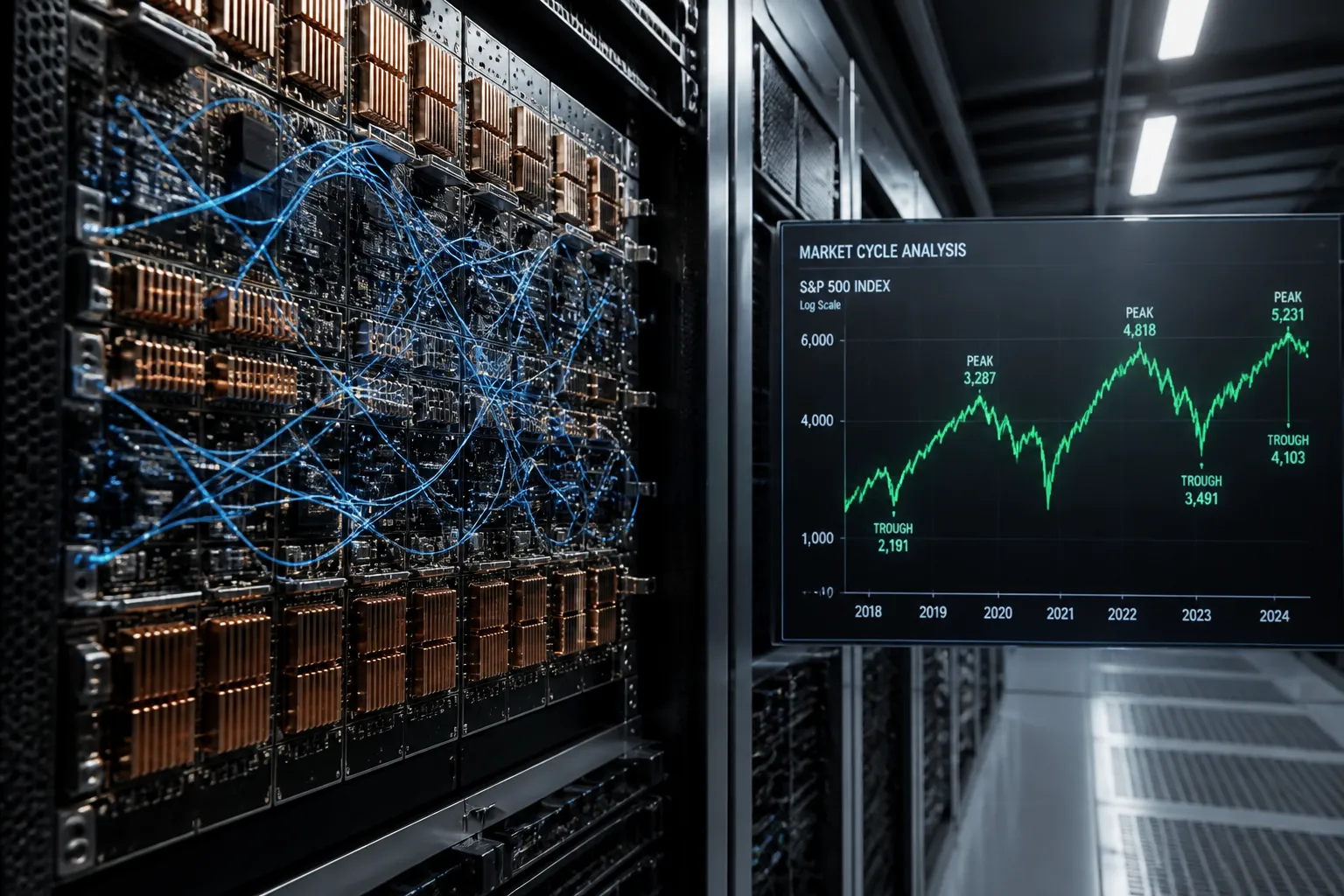
The Carillon Eagle letter, vetted by the GuruFocus editorial team, noted that while Micron’s position in AI infrastructure is solid, the memory market’s cyclical dynamics introduce volatility. The fund’s automated stock alert system flagged Micron as a “memory technology” focal point, but it also highlighted the risk of price and earnings fluctuations that can arise when supply and demand cycles shift.
In sum, Micron Technology remains a central supplier for AI and data‑center memory needs, supported by strong demand for HBM, DRAM, and NAND. The company’s recent earnings beat, market‑cap milestone, and continued revenue growth reinforce its importance in the semiconductor ecosystem. However, the cyclical dynamics of the memory market, as noted by the Carillon Eagle fund, mean that investors should remain aware of potential price swings. Upcoming earnings reports, regulatory developments, and the broader AI infrastructure investment landscape will continue to shape Micron’s trajectory in the coming months.
Micron’s roots trace back to 1978, when it was founded in Boise, Idaho. Over four decades, the company has risen to become one of the “Big Three” memory manufacturers, standing alongside Samsung Electronics and SK Hynix. Micron’s portfolio spans dynamic random‑access memory (DRAM), flash memory (NAND), high‑bandwidth memory (HBM), and solid‑state drives (SSDs). Its consumer products appear under the Crucial brand, while the Ballistix gaming line was discontinued in 2026. The company has been led by CEO Sanjay Mehrotra since 2017.
The AI boom has amplified demand for HBM and data‑center storage. Micron’s HBM chips are a core component in AI training clusters and inference servers, whereas its DRAM and NAND products supply the bulk of memory for both servers and consumer devices. Industry data show that the memory market has seen compounded price increases of more than 200 % since early 2025, driven largely by AI workloads that compete with commodity DRAM capacity. Micron’s reported 3‑to‑1 conversion ratio between HBM and DDR5 wafer capacity means that each HBM ramp compresses general‑purpose memory supply, tightening the supply‑demand balance.
Financially, Micron’s March 2026 quarter delivered earnings per share of $12.20, beating the estimate of $9.16 by 33 %. Revenue and margins rebounded in 2025, and management projected continued momentum into fiscal 2026. On May 26 2026, Micron became the latest U.S. company to reach a $1 trillion market capitalization, a milestone that highlighted investor confidence in its memory portfolio. The stock performed strongly in 2026, though it fell 3.78 % after the March earnings announcement.
The Carillon Eagle letter, vetted by the GuruFocus editorial team, noted that while Micron’s position in AI infrastructure is solid, the memory market’s cyclical dynamics introduce volatility. The fund’s automated stock alert system flagged Micron as a “memory technology” focal point, but it also highlighted the risk of price and earnings fluctuations that can arise when supply and demand cycles shift.
In sum, Micron Technology remains a central supplier for AI and data‑center memory needs, supported by strong demand for HBM, DRAM, and NAND. The company’s recent earnings beat, market‑cap milestone, and continued revenue growth reinforce its importance in the semiconductor ecosystem. However, the cyclical dynamics of the memory market, as noted by the Carillon Eagle fund, mean that investors should remain aware of potential price swings. Upcoming earnings reports, regulatory developments, and the broader AI infrastructure investment landscape will continue to shape Micron’s trajectory in the coming months.








