Blab Tech
MIT-Derived Startup Electra Secures $850 Million to Build Hybrid-Electric Aircraft in Ohio
From a cramped MIT classroom to a sprawling Ohio factory, Electra is turning a student project into a commercial reality. In a deal that could reshape regional air travel, the startup announced a $850 million investment to build a nine‑passenger hybrid‑electric aircraft at a new 96‑acre facility in Springfield, Ohio.
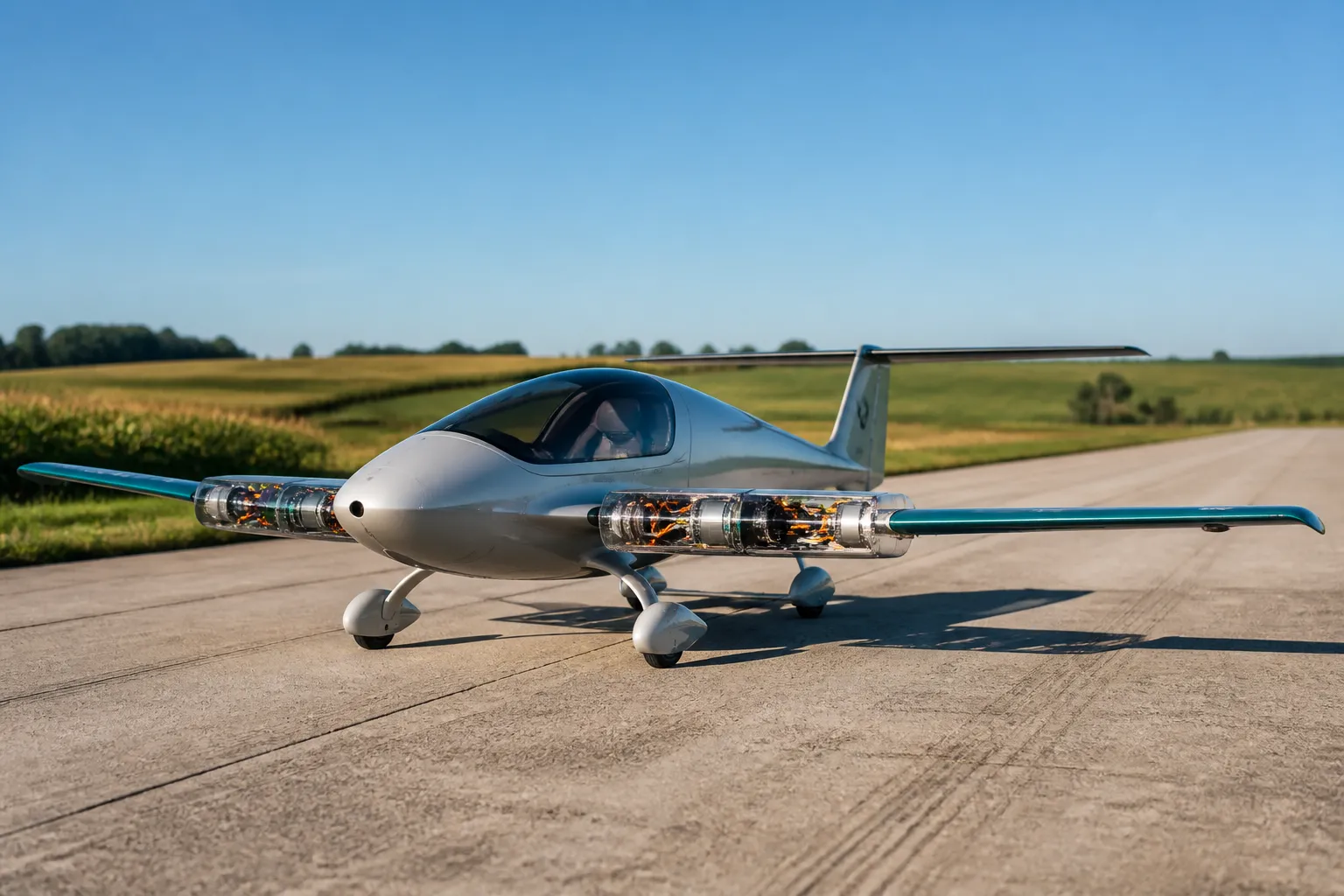
The plant, located at AirPark Ohio adjacent to the Springfield‑Beckley Municipal Airport, is slated to create 1,975 jobs and churn out 400 aircraft per year in its first phase. A second expansion could double that output to 800 planes annually. The hybrid design pairs a small conventional engine with battery‑powered electric motors that deliver extra thrust during takeoff and landing, enabling operations from runways that are markedly shorter than those required by traditional jets. According to MIT, the aircraft can still cover about 1,200 miles at a cruising speed near 200 mph while cutting fuel consumption and allowing use of unconventional sites such as barges, parking lots, or soccer fields.
Electra’s roots trace back to MIT’s Air Transportation Systems Architecting class (16.886) in 2017. Graduate students in the course experimented with batteries and small electric motors to boost a fixed‑wing aircraft’s performance. The idea evolved in senior‑design projects co‑taught by professors Mark Drela and John Hansman, who later became the company’s founding technical advisors. In 2019, the company was formally incorporated when former Aurora Flight Sciences executive John Langford joined the team. Chris Courtin, the director of technology development, carried the concept from the classroom through his Ph.D. research.
During the design phase, student teams built a subscale prototype that flew in MIT’s Wright Brothers Wind Tunnel and in real‑flight trials. The company also produced and tested a two‑seat version of the aircraft, proving that the hybrid‑electric concept met the performance targets set out in the original design.
The $850 million round was announced last month and is earmarked for moving the aircraft from prototype to commercial production. The first phase will focus on the nine‑passenger model, with an annual output of 400 units. A later phase will expand the facility’s capacity to 800 planes per year. The investment is expected to generate 1,975 new jobs in the region.
Hybrid‑electric aircraft are part of a broader industry push toward more efficient regional air travel. Because batteries have lower energy density than aviation fuel, a hybrid approach can extend range while still allowing the aircraft to use electric power for the most energy‑intensive phases of flight. The technology could also reduce noise and emissions, making it attractive for communities that are sensitive to airport operations.
At this stage, Electra has secured the capital needed to construct the manufacturing facility and to begin production of the nine‑passenger model. Construction of the 96‑acre plant is scheduled to start next year, with the first aircraft expected to leave the factory in the mid‑2020s. The company has not yet disclosed detailed timelines for certification or market entry, nor has it announced any additional funding rounds.
In summary, Electra’s transition from MIT classroom prototype to a large‑scale manufacturing plan marks a significant milestone for hybrid‑electric aviation. The company’s investment and job‑creation figures underscore the potential economic impact of new aircraft technologies in the United States. The next few years will determine whether the company can meet its production targets and bring the hybrid‑electric aircraft to market.
The plant, located at AirPark Ohio adjacent to the Springfield‑Beckley Municipal Airport, is slated to create 1,975 jobs and churn out 400 aircraft per year in its first phase. A second expansion could double that output to 800 planes annually. The hybrid design pairs a small conventional engine with battery‑powered electric motors that deliver extra thrust during takeoff and landing, enabling operations from runways that are markedly shorter than those required by traditional jets. According to MIT, the aircraft can still cover about 1,200 miles at a cruising speed near 200 mph while cutting fuel consumption and allowing use of unconventional sites such as barges, parking lots, or soccer fields.
Electra’s roots trace back to MIT’s Air Transportation Systems Architecting class (16.886) in 2017. Graduate students in the course experimented with batteries and small electric motors to boost a fixed‑wing aircraft’s performance. The idea evolved in senior‑design projects co‑taught by professors Mark Drela and John Hansman, who later became the company’s founding technical advisors. In 2019, the company was formally incorporated when former Aurora Flight Sciences executive John Langford joined the team. Chris Courtin, the director of technology development, carried the concept from the classroom through his Ph.D. research.
During the design phase, student teams built a subscale prototype that flew in MIT’s Wright Brothers Wind Tunnel and in real‑flight trials. The company also produced and tested a two‑seat version of the aircraft, proving that the hybrid‑electric concept met the performance targets set out in the original design.
The $850 million round was announced last month and is earmarked for moving the aircraft from prototype to commercial production. The first phase will focus on the nine‑passenger model, with an annual output of 400 units. A later phase will expand the facility’s capacity to 800 planes per year. The investment is expected to generate 1,975 new jobs in the region.
Hybrid‑electric aircraft are part of a broader industry push toward more efficient regional air travel. Because batteries have lower energy density than aviation fuel, a hybrid approach can extend range while still allowing the aircraft to use electric power for the most energy‑intensive phases of flight. The technology could also reduce noise and emissions, making it attractive for communities that are sensitive to airport operations.
At this stage, Electra has secured the capital needed to construct the manufacturing facility and to begin production of the nine‑passenger model. Construction of the 96‑acre plant is scheduled to start next year, with the first aircraft expected to leave the factory in the mid‑2020s. The company has not yet disclosed detailed timelines for certification or market entry, nor has it announced any additional funding rounds.
In summary, Electra’s transition from MIT classroom prototype to a large‑scale manufacturing plan marks a significant milestone for hybrid‑electric aviation. The company’s investment and job‑creation figures underscore the potential economic impact of new aircraft technologies in the United States. The next few years will determine whether the company can meet its production targets and bring the hybrid‑electric aircraft to market.








