Blab Tech
AutoNXT Unveils Indias First Autonomous Electric Aero Tiller
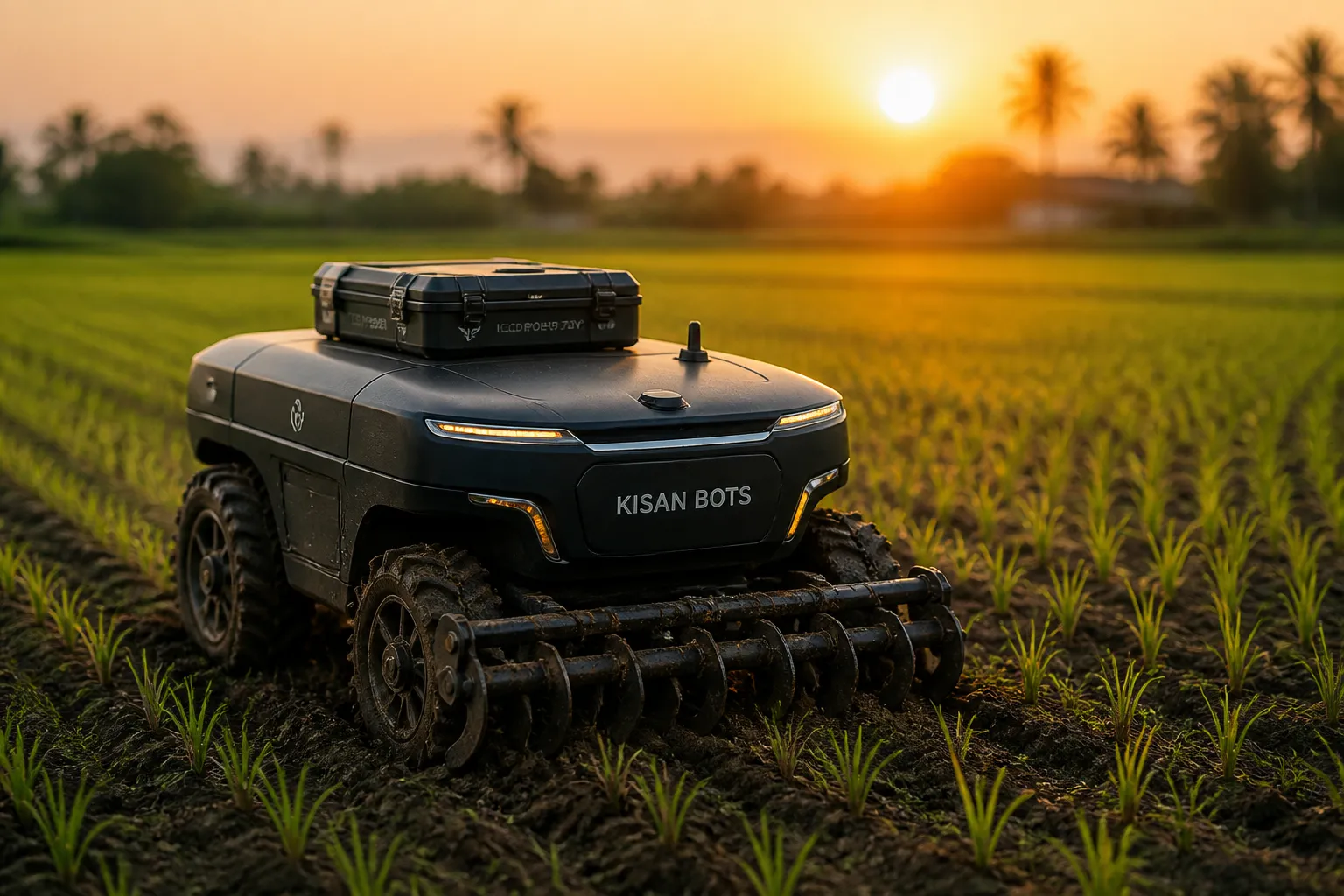
India’s first autonomous electric aero tiller is now on the field, a milestone that could shift the country’s farming machinery from diesel‑driven to data‑driven. On September 2 2026, Mumbai‑based AutoNXT announced the Autonomous Electric Aero Tiller, a compact 1.8‑metre machine that marries a high‑torque electric motor, a lithium‑iron‑phosphate battery pack, and cloud‑connected controls.
The tiller keeps the classic aero‑tiller silhouette but replaces the diesel engine with a 12‑kW electric drive. A battery‑management system monitors charge state, temperature, and cell balance in real time, while the motor powers the wheels. Integrated controls adjust depth, speed, and blade motion, allowing the operator to fine‑tune performance without a separate tractor.
Autonomy is the heart of the platform. The onboard computer can map a field, generate a coverage plan, and execute headland turns without human intervention. LIDAR, cameras, and wheel‑slip sensors detect obstacles and terrain irregularities, prompting the machine to pause and resume work after a power loss or other interruption. All operational data streams to the cloud, giving farmers remote visibility into performance metrics.
Designed for biomass mixing, soil aeration, seedbed preparation, and crop‑residue incorporation, the tiller continuously monitors ground speed, working depth, and wheel slip. Its 36 heavy‑duty steel aerator blades cover a 1.8‑metre width, with a maximum working depth of 180 mm. The machine can reach speeds of up to 5 km/h, translating to a field capacity of roughly 1.5 acres per hour. Weighing about 450 kg and built on an 8 mm frame, the tiller balances durability with a compact footprint.
Founder and CEO Kaustubh Dhondhe said the product “brings together precision control, autonomous navigation and connected monitoring in one platform.” He added that the approach can help farmers adopt smarter mechanisation while reducing dependence on conventional tractor‑based operations. Co‑founder and COO Pankaj Goyal noted that electrification and automation “will play an important role in improving productivity” and that the tiller “reduces operating costs, improves consistency and supports more sustainable farming practices.”
AutoNXT, founded in 2016 by Dhondhe—who previously worked on India’s first electric tractor—has positioned itself as a pioneer in electric and autonomous farm equipment. The aero‑tiller follows a series of demonstrations and pilot projects in Maharashtra and other states, where the company showcased its electric tractors and autonomous platforms.
The introduction of an autonomous electric tiller comes at a time when Indian agriculture is seeking to increase mechanisation and cut diesel consumption. While the country remains the world’s largest producer of four‑wheel tractors, the share of electric and autonomous equipment remains small. AutoNXT’s offering represents a step toward a more electrified and data‑driven farming sector.
At present, the tiller is available for demonstration and pilot use, with production plans expected later in 2026. AutoNXT has not disclosed pricing or sales targets, nor announced any regulatory approvals or certifications required for autonomous field equipment.
In summary, AutoNXT’s Autonomous Electric Aero Tiller integrates electric propulsion, autonomous navigation, and precision monitoring into a compact, 1.8‑metre wide machine designed for biomass and soil preparation tasks. The product is positioned to reduce diesel use, lower operating costs, and improve consistency for farmers who adopt it. Further details on commercial availability, pricing, and regulatory status remain pending.
The tiller keeps the classic aero‑tiller silhouette but replaces the diesel engine with a 12‑kW electric drive. A battery‑management system monitors charge state, temperature, and cell balance in real time, while the motor powers the wheels. Integrated controls adjust depth, speed, and blade motion, allowing the operator to fine‑tune performance without a separate tractor.
Autonomy is the heart of the platform. The onboard computer can map a field, generate a coverage plan, and execute headland turns without human intervention. LIDAR, cameras, and wheel‑slip sensors detect obstacles and terrain irregularities, prompting the machine to pause and resume work after a power loss or other interruption. All operational data streams to the cloud, giving farmers remote visibility into performance metrics.
Designed for biomass mixing, soil aeration, seedbed preparation, and crop‑residue incorporation, the tiller continuously monitors ground speed, working depth, and wheel slip. Its 36 heavy‑duty steel aerator blades cover a 1.8‑metre width, with a maximum working depth of 180 mm. The machine can reach speeds of up to 5 km/h, translating to a field capacity of roughly 1.5 acres per hour. Weighing about 450 kg and built on an 8 mm frame, the tiller balances durability with a compact footprint.
Founder and CEO Kaustubh Dhondhe said the product “brings together precision control, autonomous navigation and connected monitoring in one platform.” He added that the approach can help farmers adopt smarter mechanisation while reducing dependence on conventional tractor‑based operations. Co‑founder and COO Pankaj Goyal noted that electrification and automation “will play an important role in improving productivity” and that the tiller “reduces operating costs, improves consistency and supports more sustainable farming practices.”
AutoNXT, founded in 2016 by Dhondhe—who previously worked on India’s first electric tractor—has positioned itself as a pioneer in electric and autonomous farm equipment. The aero‑tiller follows a series of demonstrations and pilot projects in Maharashtra and other states, where the company showcased its electric tractors and autonomous platforms.
The introduction of an autonomous electric tiller comes at a time when Indian agriculture is seeking to increase mechanisation and cut diesel consumption. While the country remains the world’s largest producer of four‑wheel tractors, the share of electric and autonomous equipment remains small. AutoNXT’s offering represents a step toward a more electrified and data‑driven farming sector.
At present, the tiller is available for demonstration and pilot use, with production plans expected later in 2026. AutoNXT has not disclosed pricing or sales targets, nor announced any regulatory approvals or certifications required for autonomous field equipment.
In summary, AutoNXT’s Autonomous Electric Aero Tiller integrates electric propulsion, autonomous navigation, and precision monitoring into a compact, 1.8‑metre wide machine designed for biomass and soil preparation tasks. The product is positioned to reduce diesel use, lower operating costs, and improve consistency for farmers who adopt it. Further details on commercial availability, pricing, and regulatory status remain pending.