Blab Tech
Russian Prosthetic Systems Showcases Microprocessor-Controlled Limb Devices at Eastern Economic Forum
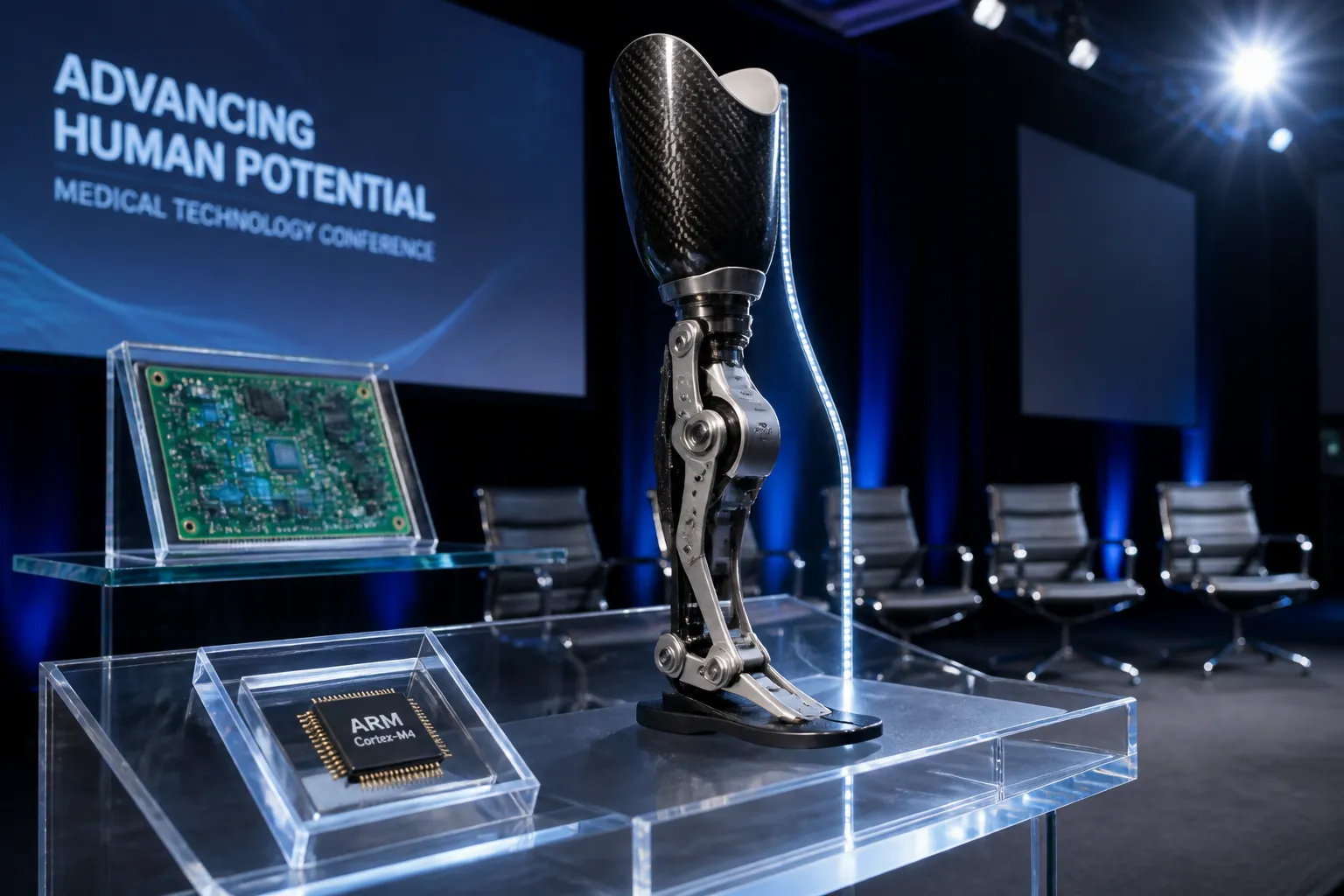
In the glow of Vladivostok’s winter sun, Russian Prosthetic Systems (RPS) revealed a new line of micro‑processor‑controlled arm and leg prostheses during the opening day of the 2026 Eastern Economic Forum (EEF). The company’s presentation, staged in the Sakhalin Region pavilion, highlighted a suite of lower‑limb components designed for users with varying activity levels, including hydraulic and pneumatic models that adjust automatically to the wearer’s movements.
"We have developed a line of components for lower‑limb prostheses for various activity levels, up to knee modules," CEO Ilya Semyonov told TASS. The micro‑processor control system analyses gait in real time and modulates the prosthesis to match the user’s motion. According to Semyonov, the technology is part of a broader import‑substitution strategy, as most prosthetic devices available in Russia have historically come from European and U.S. manufacturers.
RPS claims it is one of only a handful of Russian firms that produce both knee modules and prosthetic feet. The company says it handles the entire supply chain—from machining metals and composites to producing plastics and assembling finished units—giving it a high level of localization. It plans to begin production in the Tver Region later this fall, with an annual capacity of 35,000 units.
The EEF, which runs from September 1 to 4 at the campus of Far Eastern Federal University, is organized by the Roscongress Foundation with government support and TASS as the title media sponsor. The 2026 theme, "The Far East: Development for the Benefit of People," frames the forum’s focus on regional economic growth.
Alongside the product showcase, the Sakhalin Region launched the first educational project in the Russian Far East aimed at training prosthetists to work with RPS devices. The initiative is part of a broader effort to build local expertise in prosthetic fitting and maintenance.
Micro‑processor‑controlled prosthetics are not new to the market; other systems use sensors to detect movement and adjust hydraulic or micro‑hydraulic mechanisms, allowing for a more natural gait. However, RPS’s claim of full domestic production—from component manufacturing to final assembly—sets it apart from many foreign competitors.
The company’s announcement comes amid a growing push within Russia to reduce dependence on imported medical technology. While the exact market share of RPS devices remains unreported, the firm’s stated capacity of 35,000 units per year suggests a significant domestic footprint.
As the EEF continues, industry observers will watch whether RPS’s products meet performance benchmarks set by international standards and whether the company’s training program successfully cultivates a cadre of qualified prosthetists in the Far East.
The current status is that RPS has completed the design and prototyping phases, is preparing to scale up production in Tver, and is collaborating with local educational institutions to support prosthetist training. No regulatory approvals or market launch dates beyond the fall production plan have been disclosed.
The event also highlighted the broader context of Russia’s medical device sector, where only a few firms manufacture critical components such as knee modules and feet. RPS’s emphasis on localization and full supply‑chain control reflects a strategic shift toward self‑sufficiency in medical technology.
In summary, Russian Prosthetic Systems has introduced a new line of micro‑processor‑controlled prosthetic limbs at the EEF, announced a fall production launch in Tver with a capacity of 35,000 units, and initiated a training program in the Sakhalin Region. The company’s efforts align with national goals of import substitution and regional development, though the performance and market impact of its devices remain to be seen.
"We have developed a line of components for lower‑limb prostheses for various activity levels, up to knee modules," CEO Ilya Semyonov told TASS. The micro‑processor control system analyses gait in real time and modulates the prosthesis to match the user’s motion. According to Semyonov, the technology is part of a broader import‑substitution strategy, as most prosthetic devices available in Russia have historically come from European and U.S. manufacturers.
RPS claims it is one of only a handful of Russian firms that produce both knee modules and prosthetic feet. The company says it handles the entire supply chain—from machining metals and composites to producing plastics and assembling finished units—giving it a high level of localization. It plans to begin production in the Tver Region later this fall, with an annual capacity of 35,000 units.
The EEF, which runs from September 1 to 4 at the campus of Far Eastern Federal University, is organized by the Roscongress Foundation with government support and TASS as the title media sponsor. The 2026 theme, "The Far East: Development for the Benefit of People," frames the forum’s focus on regional economic growth.
Alongside the product showcase, the Sakhalin Region launched the first educational project in the Russian Far East aimed at training prosthetists to work with RPS devices. The initiative is part of a broader effort to build local expertise in prosthetic fitting and maintenance.
Micro‑processor‑controlled prosthetics are not new to the market; other systems use sensors to detect movement and adjust hydraulic or micro‑hydraulic mechanisms, allowing for a more natural gait. However, RPS’s claim of full domestic production—from component manufacturing to final assembly—sets it apart from many foreign competitors.
The company’s announcement comes amid a growing push within Russia to reduce dependence on imported medical technology. While the exact market share of RPS devices remains unreported, the firm’s stated capacity of 35,000 units per year suggests a significant domestic footprint.
As the EEF continues, industry observers will watch whether RPS’s products meet performance benchmarks set by international standards and whether the company’s training program successfully cultivates a cadre of qualified prosthetists in the Far East.
The current status is that RPS has completed the design and prototyping phases, is preparing to scale up production in Tver, and is collaborating with local educational institutions to support prosthetist training. No regulatory approvals or market launch dates beyond the fall production plan have been disclosed.
The event also highlighted the broader context of Russia’s medical device sector, where only a few firms manufacture critical components such as knee modules and feet. RPS’s emphasis on localization and full supply‑chain control reflects a strategic shift toward self‑sufficiency in medical technology.
In summary, Russian Prosthetic Systems has introduced a new line of micro‑processor‑controlled prosthetic limbs at the EEF, announced a fall production launch in Tver with a capacity of 35,000 units, and initiated a training program in the Sakhalin Region. The company’s efforts align with national goals of import substitution and regional development, though the performance and market impact of its devices remain to be seen.