Blab Tech
Polar Power Expands into Military Unmanned Systems Power Market
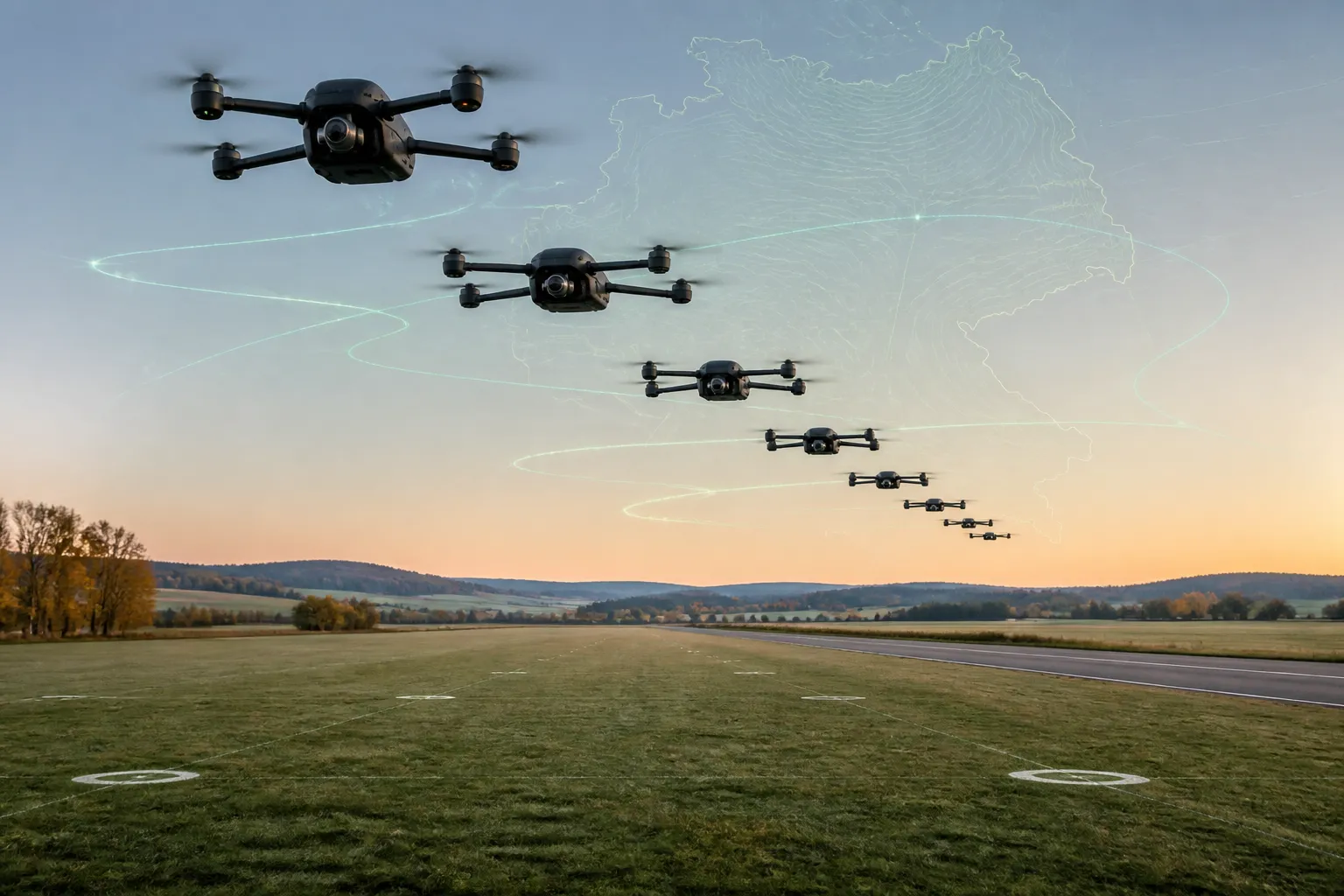
Polar Power, Inc. (NASDAQ: POLA), a long‑time designer and manufacturer of direct‑current (DC) power systems, announced on Aug. 19 2026 that it is targeting new military contracts for drones, robotics, unmanned surface vessels (USVs), border‑security stations, and mobile battery‑charging solutions. The company said that its diversification strategy is already boosting sales and driving development activity in defense applications.
For more than three decades, Polar Power has built a reputation around DC power generation and hybrid systems. Its product line—ranging from diesel‑powered DC generators and solar‑hybrid power plants to compact battery‑charging units—sells in over 100 countries. While the firm has recently focused on renewable energy and cooling technologies, the August press release signals a pivot toward supplying field power for unmanned platforms.
Polar Power’s current projects involve several U.S. defense agencies and contractors. A drone‑defense program is underway with the U.S. Navy Warfare Center in Dahlgren, Virginia, to power high‑speed rapid‑fire projectile systems. The company is also developing DC power solutions for autonomous targeting platforms used in drone‑defense applications in partnership with a major defense contractor. In the border‑security arena, Polar Power is providing power for autonomous, land‑based stations that must operate off‑grid. For USVs, the company’s DC marine generators are being evaluated for propulsion, communications, monitoring, and defense systems aboard autonomous water vessels. Finally, Polar Power’s compact DC generators are being fielded for mobile power and charging of robotics, drones, and communications equipment for multiple defense customers.
The company explained that sales to individual contractors and agencies are typically in limited quantities while products undergo field testing, qualification, and evaluation. Contracts that are awarded usually generate $1 million to $1.5 million in annual revenue. Polar Power cautions that successful completion of these stages could lead to larger production orders, but it cannot guarantee that such opportunities will materialize.
Polar Power’s engineering staff expressed satisfaction with the challenges of working with defense partners. “There is huge personal satisfaction on what gets accomplished on these various projects,” said Arthur D. Sams, the company’s chief technology officer, according to the release. The company’s broader strategy is to become a supplier of the field‑power infrastructure needed to keep unmanned systems operational in remote, off‑grid, and mission‑critical environments.
The press release includes forward‑looking statements that reflect the company’s expectations for growth in the drone and robotics power markets. It notes that actual results could differ materially due to market adoption, competition, product development, qualification and testing requirements, production and supply‑chain risks, customer concentration, capital position, and Nasdaq listing compliance. In addition to the August announcement, Polar Power has recently received purchase orders for mobile electric‑vehicle fast chargers and a $120 k firm‑fixed‑price order from the Naval Sea Systems Command (NAVSEA) in 2024 for three DC generator units.
At present, Polar Power is in the field‑testing phase of several defense contracts and has not yet secured large‑scale production orders. The company has not announced any new product launches or regulatory actions related to its military programs. What remains uncertain is whether the company will secure larger production contracts and how it will scale its manufacturing to meet potential demand.
The company’s statements and the contracts it has secured demonstrate a clear intent to expand into the unmanned systems power market, but the outcome of this diversification effort will depend on the completion of field‑testing and qualification milestones.
For more than three decades, Polar Power has built a reputation around DC power generation and hybrid systems. Its product line—ranging from diesel‑powered DC generators and solar‑hybrid power plants to compact battery‑charging units—sells in over 100 countries. While the firm has recently focused on renewable energy and cooling technologies, the August press release signals a pivot toward supplying field power for unmanned platforms.
Polar Power’s current projects involve several U.S. defense agencies and contractors. A drone‑defense program is underway with the U.S. Navy Warfare Center in Dahlgren, Virginia, to power high‑speed rapid‑fire projectile systems. The company is also developing DC power solutions for autonomous targeting platforms used in drone‑defense applications in partnership with a major defense contractor. In the border‑security arena, Polar Power is providing power for autonomous, land‑based stations that must operate off‑grid. For USVs, the company’s DC marine generators are being evaluated for propulsion, communications, monitoring, and defense systems aboard autonomous water vessels. Finally, Polar Power’s compact DC generators are being fielded for mobile power and charging of robotics, drones, and communications equipment for multiple defense customers.
The company explained that sales to individual contractors and agencies are typically in limited quantities while products undergo field testing, qualification, and evaluation. Contracts that are awarded usually generate $1 million to $1.5 million in annual revenue. Polar Power cautions that successful completion of these stages could lead to larger production orders, but it cannot guarantee that such opportunities will materialize.
Polar Power’s engineering staff expressed satisfaction with the challenges of working with defense partners. “There is huge personal satisfaction on what gets accomplished on these various projects,” said Arthur D. Sams, the company’s chief technology officer, according to the release. The company’s broader strategy is to become a supplier of the field‑power infrastructure needed to keep unmanned systems operational in remote, off‑grid, and mission‑critical environments.
The press release includes forward‑looking statements that reflect the company’s expectations for growth in the drone and robotics power markets. It notes that actual results could differ materially due to market adoption, competition, product development, qualification and testing requirements, production and supply‑chain risks, customer concentration, capital position, and Nasdaq listing compliance. In addition to the August announcement, Polar Power has recently received purchase orders for mobile electric‑vehicle fast chargers and a $120 k firm‑fixed‑price order from the Naval Sea Systems Command (NAVSEA) in 2024 for three DC generator units.
At present, Polar Power is in the field‑testing phase of several defense contracts and has not yet secured large‑scale production orders. The company has not announced any new product launches or regulatory actions related to its military programs. What remains uncertain is whether the company will secure larger production contracts and how it will scale its manufacturing to meet potential demand.
The company’s statements and the contracts it has secured demonstrate a clear intent to expand into the unmanned systems power market, but the outcome of this diversification effort will depend on the completion of field‑testing and qualification milestones.