Blab Tech
LAUSD Implements New Restrictions on Digital Device Use and Screen Time for All Students
LAUSD is rolling back the digital boom that took over classrooms during the pandemic, instituting a sweeping new policy that limits students’ use of devices and online platforms across the district. The Board of Education adopted the measure in June, and it took effect on Wednesday at the start of the school year. The changes aim to balance technology’s educational benefits with concerns about excessive screen time and its impact on learning and well‑being.
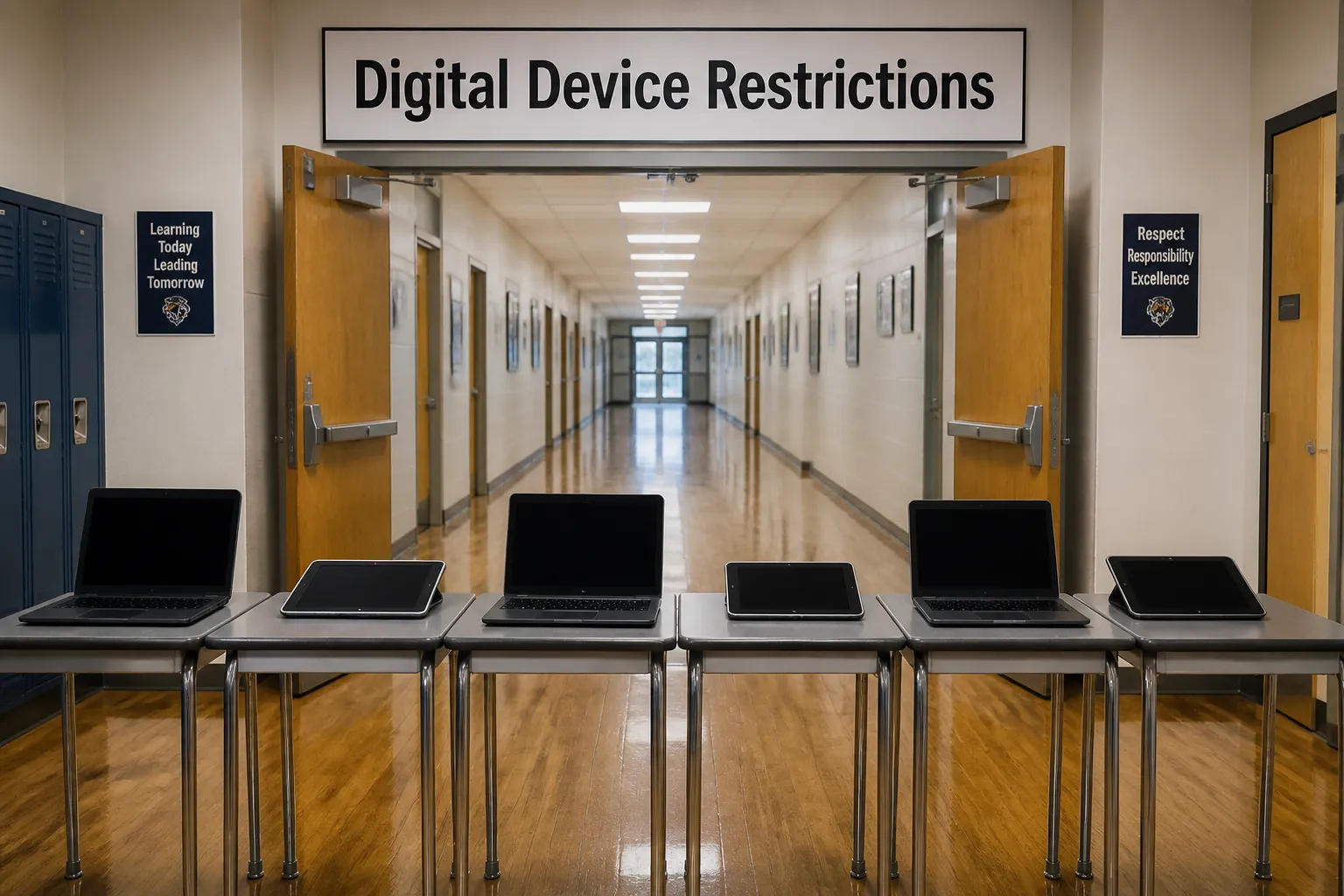
Under the new rules, students in early education, transitional kindergarten (TK), kindergarten, and first grade will no longer have devices in the classroom. Across all grades, access to YouTube, social media, and streaming services is blocked unless a teacher explicitly approves the content. The district has also ended its automatic distribution of devices for take‑home use; families may request a device only if a specific need is demonstrated. Teachers are encouraged to assign non‑digital homework—reading, writing, and hands‑on activities—when possible.
The policy preserves technology for students who need it. Those required to use devices for district‑ or state‑mandated assessments, students enrolled in LAUSD’s Virtual Academy, and students with disabilities who need technology under an Individualized Education Program (IEP) or a 504 Plan will continue to receive the necessary equipment.
"During COVID, student devices became a necessary lifeline, and seemingly overnight, screen time limits were shelved to ensure every child had access to the technology they needed to continue learning and stay connected with their teachers and peers," said Board member Nick Melvoin in a June statement. "Our charge now is to recalibrate, evaluate the role of educational technology in the classroom, and balance access to that technology with the kinds of instruction and interaction we know help students thrive."
LAUSD, the second‑largest school district in the United States, frames the move as positioning itself as a national leader in setting thoughtful, research‑based limits on student screen use and classroom technology tools. The district plans to monitor implementation as students adjust to the new environment, though details on how individual schools will manage teacher approval requests for blocked platforms remain unclear.
The rollout follows a broader trend of schools reassessing technology after the rapid shift to digital learning during the pandemic. While the district’s budget remains a concern, the new restrictions aim to address health and educational outcomes associated with excessive screen time. Research indicates that high levels of screen time can affect sleep patterns, attention, and overall well‑being. By limiting access to non‑educational content, LAUSD seeks to reduce potential negative effects while still allowing technology to support learning when it is pedagogically justified.
Equity is a key driver of the policy. By providing devices only to students who need them for assessments, virtual learning, or disability accommodations, the district maintains access for those who rely on technology for academic success. Teachers across the district have expressed a range of reactions. Some welcome the chance to focus more on in‑class interaction, while others worry about the logistical challenges of shifting to non‑digital assignments. The district has announced professional development sessions to help educators adapt.
LAUSD’s new restrictions are part of a broader conversation about how schools can balance the benefits of technology with the need for healthy, balanced learning environments. The district’s approach may influence other large school systems as they consider similar measures. As the school year begins, LAUSD will monitor compliance, gather feedback from teachers and parents, and adjust the policy as needed. The district has not announced any immediate changes to its technology procurement or support services.
In summary, LAUSD’s new policy eliminates device use for early‑grade students, blocks non‑educational online platforms across all grades, and stops automatic take‑home device distribution. Exceptions are in place for assessments, virtual academy enrollment and disability accommodations. The district is positioning itself as a national example of research‑based screen‑time limits and plans to monitor the policy’s impact as the year progresses.
Under the new rules, students in early education, transitional kindergarten (TK), kindergarten, and first grade will no longer have devices in the classroom. Across all grades, access to YouTube, social media, and streaming services is blocked unless a teacher explicitly approves the content. The district has also ended its automatic distribution of devices for take‑home use; families may request a device only if a specific need is demonstrated. Teachers are encouraged to assign non‑digital homework—reading, writing, and hands‑on activities—when possible.
The policy preserves technology for students who need it. Those required to use devices for district‑ or state‑mandated assessments, students enrolled in LAUSD’s Virtual Academy, and students with disabilities who need technology under an Individualized Education Program (IEP) or a 504 Plan will continue to receive the necessary equipment.
"During COVID, student devices became a necessary lifeline, and seemingly overnight, screen time limits were shelved to ensure every child had access to the technology they needed to continue learning and stay connected with their teachers and peers," said Board member Nick Melvoin in a June statement. "Our charge now is to recalibrate, evaluate the role of educational technology in the classroom, and balance access to that technology with the kinds of instruction and interaction we know help students thrive."
LAUSD, the second‑largest school district in the United States, frames the move as positioning itself as a national leader in setting thoughtful, research‑based limits on student screen use and classroom technology tools. The district plans to monitor implementation as students adjust to the new environment, though details on how individual schools will manage teacher approval requests for blocked platforms remain unclear.
The rollout follows a broader trend of schools reassessing technology after the rapid shift to digital learning during the pandemic. While the district’s budget remains a concern, the new restrictions aim to address health and educational outcomes associated with excessive screen time. Research indicates that high levels of screen time can affect sleep patterns, attention, and overall well‑being. By limiting access to non‑educational content, LAUSD seeks to reduce potential negative effects while still allowing technology to support learning when it is pedagogically justified.
Equity is a key driver of the policy. By providing devices only to students who need them for assessments, virtual learning, or disability accommodations, the district maintains access for those who rely on technology for academic success. Teachers across the district have expressed a range of reactions. Some welcome the chance to focus more on in‑class interaction, while others worry about the logistical challenges of shifting to non‑digital assignments. The district has announced professional development sessions to help educators adapt.
LAUSD’s new restrictions are part of a broader conversation about how schools can balance the benefits of technology with the need for healthy, balanced learning environments. The district’s approach may influence other large school systems as they consider similar measures. As the school year begins, LAUSD will monitor compliance, gather feedback from teachers and parents, and adjust the policy as needed. The district has not announced any immediate changes to its technology procurement or support services.
In summary, LAUSD’s new policy eliminates device use for early‑grade students, blocks non‑educational online platforms across all grades, and stops automatic take‑home device distribution. Exceptions are in place for assessments, virtual academy enrollment and disability accommodations. The district is positioning itself as a national example of research‑based screen‑time limits and plans to monitor the policy’s impact as the year progresses.








