Blab Tech
Apple Tests Photo Authentication Feature in iOS 27 Beta
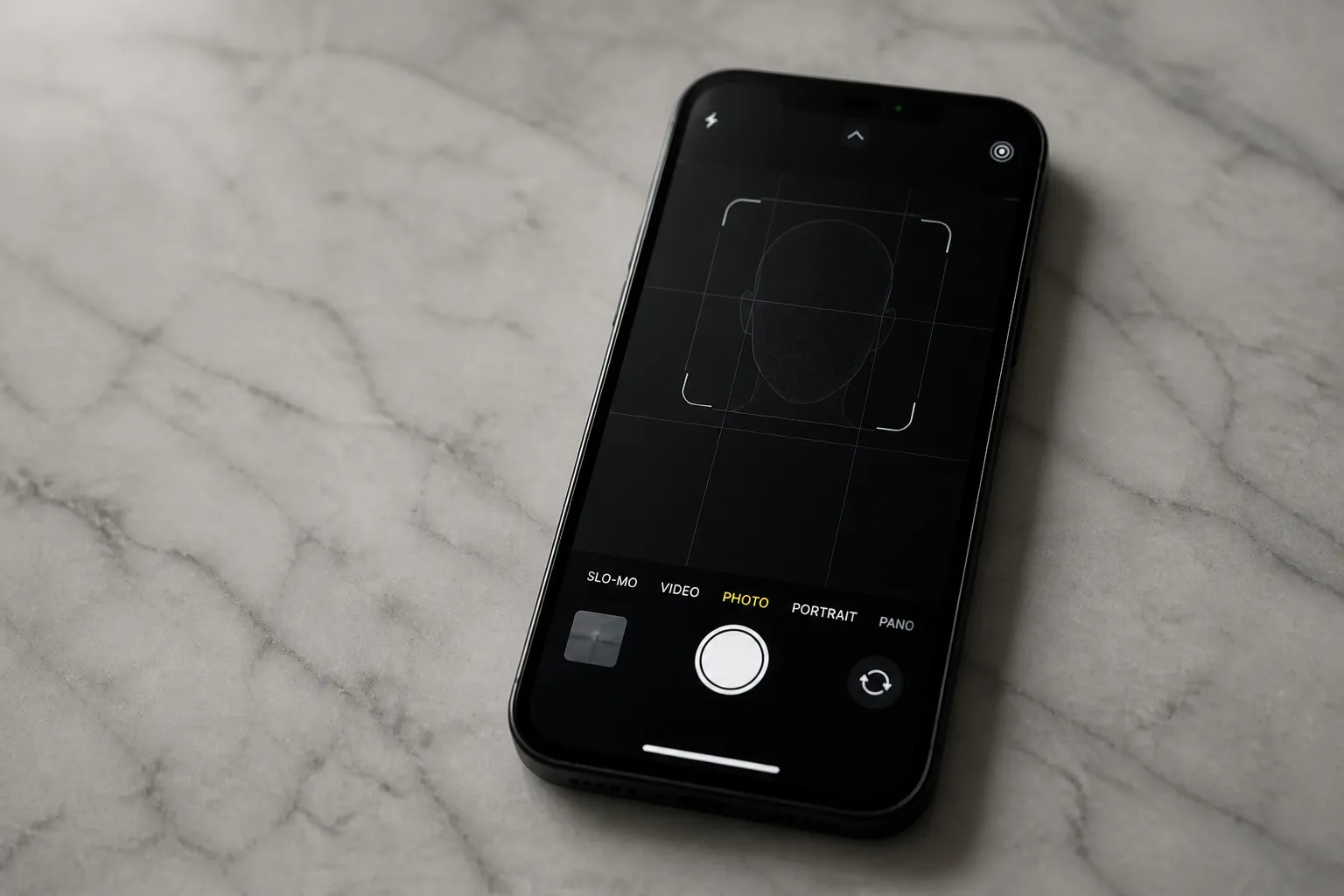
Apple’s newest iOS 27 developer beta may contain a hidden tool that lets users prove a photo was captured by an Apple camera. The feature, dubbed "Apple Reference Image," is not part of any public release yet and appears to be an opt‑in option that is disabled by default.
The discovery came from developers who sifted through the code in iOS 27 beta 5. According to 9to5Mac and MacRumors, the beta references a system that would forward raw image data, sensor signatures, capture timestamps, and unique hardware identifiers to Apple’s Private Cloud Compute (PCC) servers. Those servers, built on Apple silicon and designed to run AI workloads while keeping user data private, would analyze the information to confirm that the photo was taken with an iPhone camera.
If the PCC analysis verifies the image, the photo receives a unique identifier and is returned to the device. The PCC process also returns sensor data, a hash, and assessment results, but never the raw photo itself. In theory, the system could revoke past authentications if a sensor is later determined to be compromised.
Apple has long embedded a device model name in photo metadata—a practice that has been largely descriptive and easily altered. The new system would tie authenticity to the physical hardware of the camera sensor, offering a stronger proof of provenance. While it would not identify a specific iPhone model, it would pinpoint the camera hardware used, which could be useful for professional photographers, journalists, or anyone who needs to certify that an image has not been tampered with.
This feature is part of Apple’s broader effort to address the rise of AI‑generated imagery. While Apple’s own Image Playground in iOS 27 can generate photorealistic images, the company has also been working on embedding watermarks in AI‑generated content. The Apple Reference Image system would instead provide a way to authenticate photos taken with an iPhone, rather than relying on AI tools to watermark "fake" images.
Apple’s Private Cloud Compute, announced in 2024, is a cloud‑based AI platform that uses Apple silicon servers to run foundation models while keeping user data private. The PCC infrastructure is designed to be secure, with the same secure boot and hardware root‑of‑trust lineage as iPhones. The photo‑authentication feature would leverage this infrastructure to perform the necessary analysis.
It remains unclear when—or if—the feature will be released. The beta code suggests that Apple is laying groundwork for a future iOS 27.x release, but the company could also delay the feature until iOS 28 or discontinue it entirely. The feature is currently opt‑in and disabled by default, indicating that Apple does not expect most users to need this level of authentication.
In short, Apple has identified a potential photo‑authentication system in the iOS 27 beta that would use hardware identifiers and PCC analysis to verify that an image was captured by an iPhone camera. The system remains experimental and off by default, and its future availability is uncertain. If released, it could provide a new tool for verifying image provenance in an era of increasingly realistic AI‑generated content.
The discovery came from developers who sifted through the code in iOS 27 beta 5. According to 9to5Mac and MacRumors, the beta references a system that would forward raw image data, sensor signatures, capture timestamps, and unique hardware identifiers to Apple’s Private Cloud Compute (PCC) servers. Those servers, built on Apple silicon and designed to run AI workloads while keeping user data private, would analyze the information to confirm that the photo was taken with an iPhone camera.
If the PCC analysis verifies the image, the photo receives a unique identifier and is returned to the device. The PCC process also returns sensor data, a hash, and assessment results, but never the raw photo itself. In theory, the system could revoke past authentications if a sensor is later determined to be compromised.
Apple has long embedded a device model name in photo metadata—a practice that has been largely descriptive and easily altered. The new system would tie authenticity to the physical hardware of the camera sensor, offering a stronger proof of provenance. While it would not identify a specific iPhone model, it would pinpoint the camera hardware used, which could be useful for professional photographers, journalists, or anyone who needs to certify that an image has not been tampered with.
This feature is part of Apple’s broader effort to address the rise of AI‑generated imagery. While Apple’s own Image Playground in iOS 27 can generate photorealistic images, the company has also been working on embedding watermarks in AI‑generated content. The Apple Reference Image system would instead provide a way to authenticate photos taken with an iPhone, rather than relying on AI tools to watermark "fake" images.
Apple’s Private Cloud Compute, announced in 2024, is a cloud‑based AI platform that uses Apple silicon servers to run foundation models while keeping user data private. The PCC infrastructure is designed to be secure, with the same secure boot and hardware root‑of‑trust lineage as iPhones. The photo‑authentication feature would leverage this infrastructure to perform the necessary analysis.
It remains unclear when—or if—the feature will be released. The beta code suggests that Apple is laying groundwork for a future iOS 27.x release, but the company could also delay the feature until iOS 28 or discontinue it entirely. The feature is currently opt‑in and disabled by default, indicating that Apple does not expect most users to need this level of authentication.
In short, Apple has identified a potential photo‑authentication system in the iOS 27 beta that would use hardware identifiers and PCC analysis to verify that an image was captured by an iPhone camera. The system remains experimental and off by default, and its future availability is uncertain. If released, it could provide a new tool for verifying image provenance in an era of increasingly realistic AI‑generated content.