Blab Tech
Viture Pro 2 XR Glasses Launch as $299, Camera-Free XR Companion for Creatives
On its fifth anniversary, Viture Inc. unveiled the Pro 2 XR glasses on August 6 2026, offering a camera‑free, ultra‑light extended‑reality experience for just $299.
The new model weighs a mere 63 grams and boasts a 1,600‑nit display, a 50‑degree field of view, and 1080p resolution. When paired with a phone, laptop, PC, or handheld console, the glasses project a 146‑inch virtual screen, giving users a desktop‑sized view in the palm of their hand.
Unlike Meta’s recent “pervert glasses,” the Pro 2 XR contains no cameras, addressing privacy concerns that have plagued other smart‑glasses offerings. Built‑in myopia dials let users fine‑tune focus for each eye, a feature Viture claims can replace prescription lenses for most wearers.
Designed for content consumption rather than creation, the glasses are best suited for watching media, gaming, or extending a desktop display. The company positions them as a high‑quality visual companion for creatives and everyday users alike.
The launch comes amid a broader debate over camera‑embedded smart glasses. Meta’s Meta Glasses have earned the nickname “pervert glasses,” while protest products such as the “Normal F** Sunglasses” have gained traction. Viture’s camera‑free approach is presented as a compromise that satisfies privacy advocates while still delivering a premium visual experience.
Technical details and ecosystem support were highlighted in the announcement. The glasses pair via USB‑C with Android, iOS, Windows, and macOS devices. Samsung users can leverage Samsung DeX integration, turning the glasses into a monitor‑sized desktop with a single plug‑in. For gaming, Viture supplied a Mobile Dock Mini—priced at $99—that enables the glasses to work with the Nintendo Switch 2, which otherwise limits video output to standard USB‑C.
In comparison, the RayNeo Air 4 Pro XR glasses retail at $320 and lack myopia adjustment dials. PCMag notes the RayNeo glasses are “excellent” but do not offer the same level of optical customization. Viture’s focus on vision correction is a distinguishing factor for users who require precise focus adjustments.
The Pro 2 XR is part of Viture’s 5th‑anniversary collection, which also includes the Mobile Dock Mini. According to the company, the new glasses are 20 % lighter and 16 % thinner than the original Pro model, a change that should improve comfort for extended wear. The 63‑gram weight places the glasses among the lightest XR devices currently available.
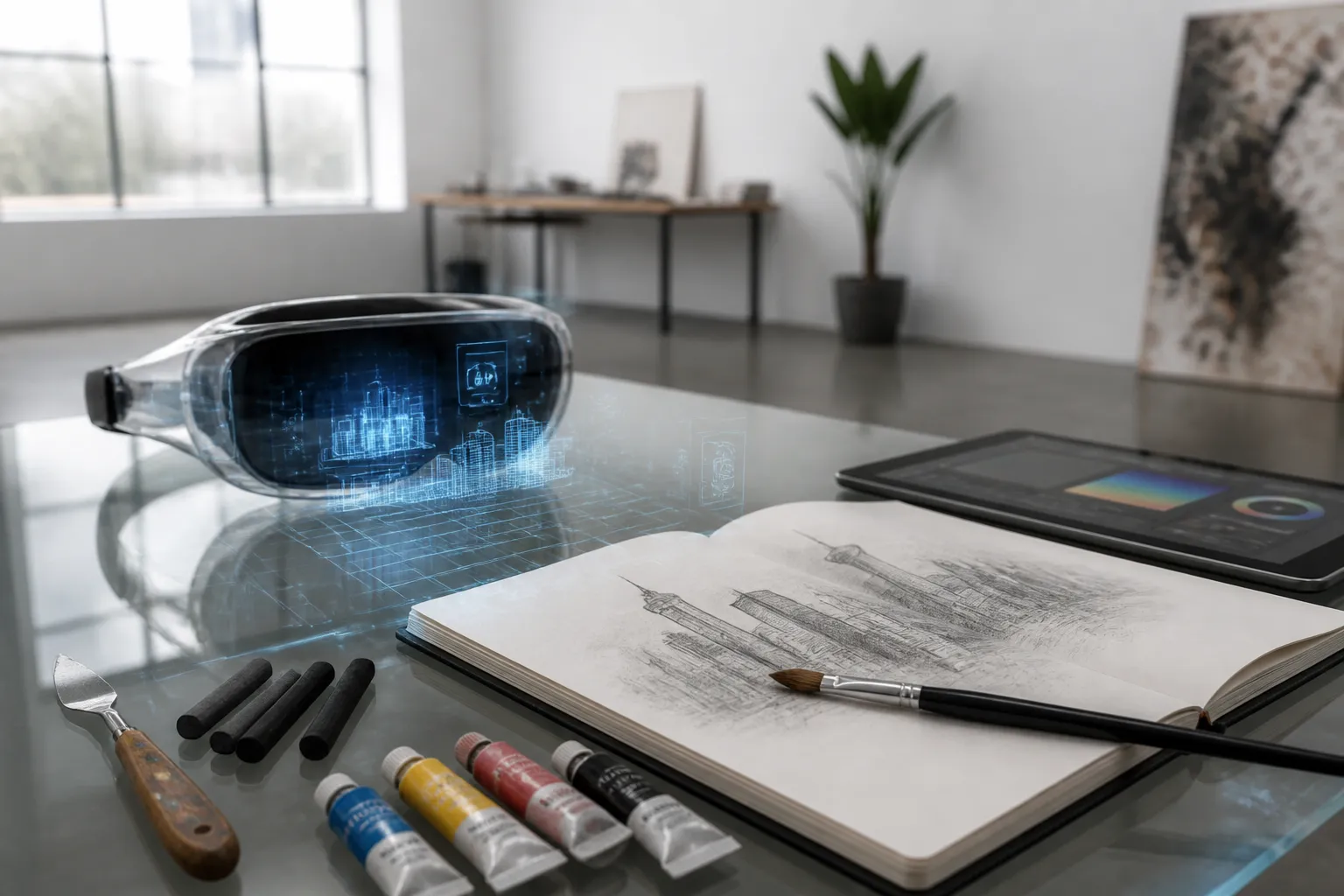
Early reviews have been positive. A Creative Bloq reviewer noted that the glasses provide “fantastic” screen real estate for creative professionals, especially for video editing and visual tasks. The ability to mirror content from a phone or laptop and act as an extended display is highlighted as a key benefit for designers and editors.
The product is available through Viture’s website and Amazon. The Mobile Dock Mini is also sold separately. Viture has not announced any further hardware releases or software updates beyond the current glasses and dock.
The launch of the Pro 2 XR reflects a broader trend toward camera‑free XR wearables that prioritize privacy while delivering high‑resolution displays. As the market for extended‑reality glasses expands, Viture’s focus on lightweight design, optical customization, and ecosystem integration positions the company as a notable contender in the consumer XR space.
The current situation is that Viture’s Pro 2 XR glasses are on sale at $299, with the Mobile Dock Mini available for $99. No additional product launches or regulatory actions have been announced. The glasses remain available for purchase, and Viture has not disclosed plans for future firmware updates or new hardware models.
The new model weighs a mere 63 grams and boasts a 1,600‑nit display, a 50‑degree field of view, and 1080p resolution. When paired with a phone, laptop, PC, or handheld console, the glasses project a 146‑inch virtual screen, giving users a desktop‑sized view in the palm of their hand.
Unlike Meta’s recent “pervert glasses,” the Pro 2 XR contains no cameras, addressing privacy concerns that have plagued other smart‑glasses offerings. Built‑in myopia dials let users fine‑tune focus for each eye, a feature Viture claims can replace prescription lenses for most wearers.
Designed for content consumption rather than creation, the glasses are best suited for watching media, gaming, or extending a desktop display. The company positions them as a high‑quality visual companion for creatives and everyday users alike.
The launch comes amid a broader debate over camera‑embedded smart glasses. Meta’s Meta Glasses have earned the nickname “pervert glasses,” while protest products such as the “Normal F** Sunglasses” have gained traction. Viture’s camera‑free approach is presented as a compromise that satisfies privacy advocates while still delivering a premium visual experience.
Technical details and ecosystem support were highlighted in the announcement. The glasses pair via USB‑C with Android, iOS, Windows, and macOS devices. Samsung users can leverage Samsung DeX integration, turning the glasses into a monitor‑sized desktop with a single plug‑in. For gaming, Viture supplied a Mobile Dock Mini—priced at $99—that enables the glasses to work with the Nintendo Switch 2, which otherwise limits video output to standard USB‑C.
In comparison, the RayNeo Air 4 Pro XR glasses retail at $320 and lack myopia adjustment dials. PCMag notes the RayNeo glasses are “excellent” but do not offer the same level of optical customization. Viture’s focus on vision correction is a distinguishing factor for users who require precise focus adjustments.
The Pro 2 XR is part of Viture’s 5th‑anniversary collection, which also includes the Mobile Dock Mini. According to the company, the new glasses are 20 % lighter and 16 % thinner than the original Pro model, a change that should improve comfort for extended wear. The 63‑gram weight places the glasses among the lightest XR devices currently available.
Early reviews have been positive. A Creative Bloq reviewer noted that the glasses provide “fantastic” screen real estate for creative professionals, especially for video editing and visual tasks. The ability to mirror content from a phone or laptop and act as an extended display is highlighted as a key benefit for designers and editors.
The product is available through Viture’s website and Amazon. The Mobile Dock Mini is also sold separately. Viture has not announced any further hardware releases or software updates beyond the current glasses and dock.
The launch of the Pro 2 XR reflects a broader trend toward camera‑free XR wearables that prioritize privacy while delivering high‑resolution displays. As the market for extended‑reality glasses expands, Viture’s focus on lightweight design, optical customization, and ecosystem integration positions the company as a notable contender in the consumer XR space.
The current situation is that Viture’s Pro 2 XR glasses are on sale at $299, with the Mobile Dock Mini available for $99. No additional product launches or regulatory actions have been announced. The glasses remain available for purchase, and Viture has not disclosed plans for future firmware updates or new hardware models.