Blab Tech
MySpace Set for Relaunch After 23-Year Hiatus, Owners Say Theyre Waiting for the Right Moment
From the early‑2000s heyday of profile pictures and embedded music to a quiet announcement in 2026, the once‑dominant social network MySpace is poised to return. In a documentary released on August 3 2026, Tim and Chris Vanderhook—co‑founders of Viant Technology—confirmed that they still own the MySpace brand and plan a relaunch, though no launch date has been revealed.
The platform began in 2003 when Tom Anderson and Chris DeWolfe built a site that would soon eclipse Google as the most visited U.S. website by 2006. From 2005 to 2008, MySpace was the world’s largest social network, attracting more than 115 million monthly visitors at its peak. Customizable profiles, built‑in music players, and early support for embedded YouTube videos helped it become a cultural touchstone.
Ownership has changed hands several times. Viant Technology bought MySpace from Specific Media and Justin Timberlake for about $35 million in 2011. The company sold it to Time Inc. in 2016 for $87 million, and Meredith Corporation acquired Time in 2018. In 2019, Meredith spun off MySpace and its holding company, returning ownership to Viant Technology LLC.
A 2013 relaunch attempt, led by Timberlake, focused on music promotion but could not compete with Facebook’s expanding user base and advertising ecosystem. According to the documentary, the Vanderhook brothers said the effort “just became an onslaught of losses,” and they lost more than $150 million during that attempt.
Today’s social‑media landscape is dominated by algorithm‑driven feeds, short‑form video, and a handful of large platforms—Meta’s Instagram, TikTok, Snapchat, YouTube, and Reddit. These sites face growing legal scrutiny over privacy, misinformation, and the mental‑health impact of prolonged use, and several countries have introduced or enacted bans to curb teenage addiction.
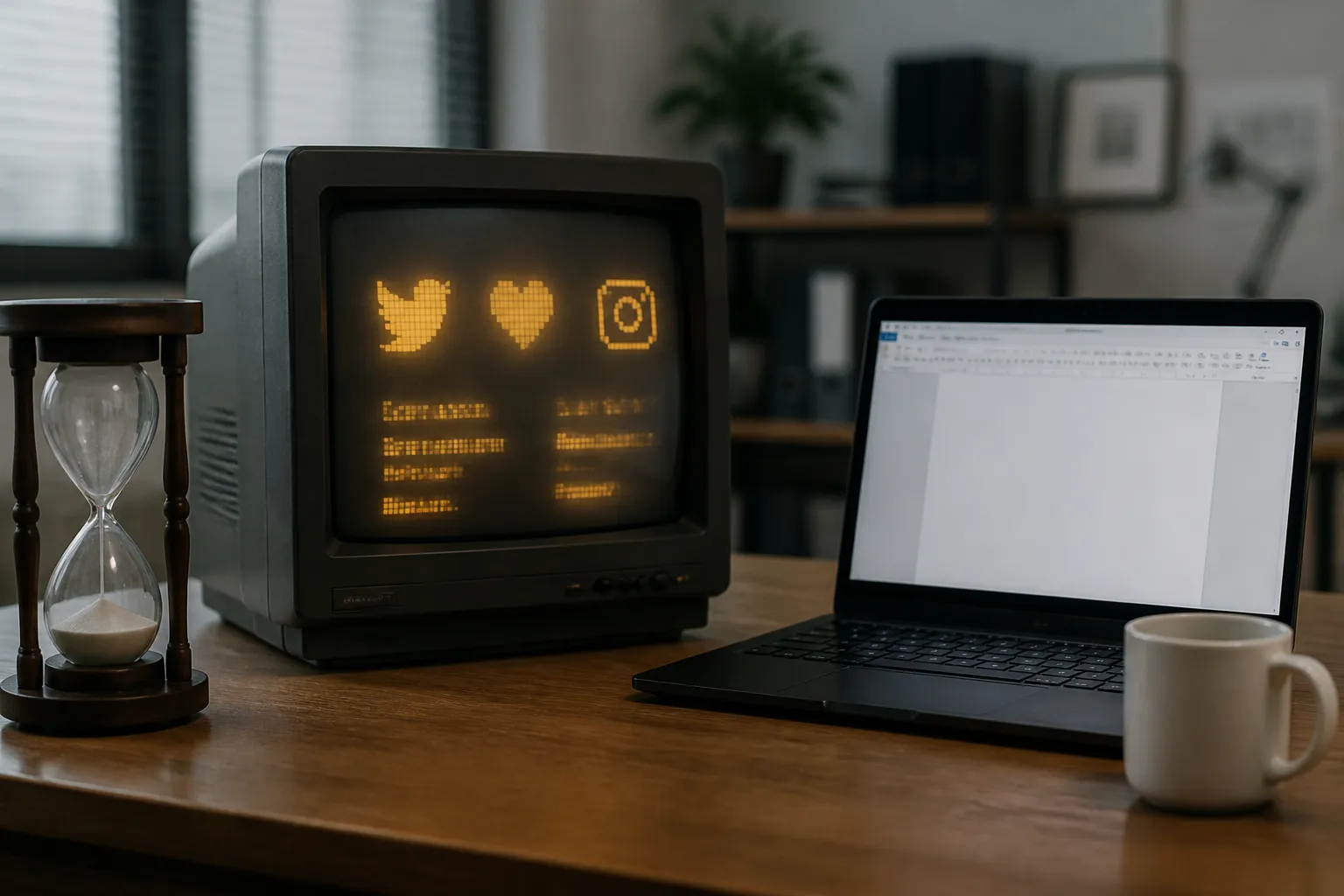
Against this backdrop, nostalgia for pre‑algorithmic social media is gaining traction. Apps such as Google Labs’ Dreambeans and Mivo Scrolling offer curated, limited‑content feeds designed to reduce “doomscrolling” and encourage mindful screen time. The rise of these products suggests that a platform like MySpace, which historically relied on user‑generated content without heavy algorithmic curation, could find a niche audience.
A successful comeback, however, would need to surmount several hurdles. First, the platform would have to attract advertisers in a market where ad dollars are heavily concentrated on the current giants. Second, it would have to navigate an increasingly skeptical regulatory environment, especially for networks with histories of privacy and content‑moderation challenges. Finally, it would need to balance nostalgia with modern expectations for privacy, security, and user experience.
At present, the Vanderhook brothers have not disclosed a specific launch window. They said they are “waiting for the right time” and that the relaunch could be delayed or repeated if necessary. No new product features, marketing plans, or partnerships have been announced to signal a concrete path forward.
In short, MySpace’s owners have confirmed plans to relaunch the platform, but no timeline or detailed strategy has emerged. The comeback remains contingent on market conditions, advertiser interest, and regulatory approval. As the social‑media industry wrestles with digital fatigue and policy scrutiny, the outcome of MySpace’s revival will be closely watched by users, investors, and regulators alike.
The platform began in 2003 when Tom Anderson and Chris DeWolfe built a site that would soon eclipse Google as the most visited U.S. website by 2006. From 2005 to 2008, MySpace was the world’s largest social network, attracting more than 115 million monthly visitors at its peak. Customizable profiles, built‑in music players, and early support for embedded YouTube videos helped it become a cultural touchstone.
Ownership has changed hands several times. Viant Technology bought MySpace from Specific Media and Justin Timberlake for about $35 million in 2011. The company sold it to Time Inc. in 2016 for $87 million, and Meredith Corporation acquired Time in 2018. In 2019, Meredith spun off MySpace and its holding company, returning ownership to Viant Technology LLC.
A 2013 relaunch attempt, led by Timberlake, focused on music promotion but could not compete with Facebook’s expanding user base and advertising ecosystem. According to the documentary, the Vanderhook brothers said the effort “just became an onslaught of losses,” and they lost more than $150 million during that attempt.
Today’s social‑media landscape is dominated by algorithm‑driven feeds, short‑form video, and a handful of large platforms—Meta’s Instagram, TikTok, Snapchat, YouTube, and Reddit. These sites face growing legal scrutiny over privacy, misinformation, and the mental‑health impact of prolonged use, and several countries have introduced or enacted bans to curb teenage addiction.
Against this backdrop, nostalgia for pre‑algorithmic social media is gaining traction. Apps such as Google Labs’ Dreambeans and Mivo Scrolling offer curated, limited‑content feeds designed to reduce “doomscrolling” and encourage mindful screen time. The rise of these products suggests that a platform like MySpace, which historically relied on user‑generated content without heavy algorithmic curation, could find a niche audience.
A successful comeback, however, would need to surmount several hurdles. First, the platform would have to attract advertisers in a market where ad dollars are heavily concentrated on the current giants. Second, it would have to navigate an increasingly skeptical regulatory environment, especially for networks with histories of privacy and content‑moderation challenges. Finally, it would need to balance nostalgia with modern expectations for privacy, security, and user experience.
At present, the Vanderhook brothers have not disclosed a specific launch window. They said they are “waiting for the right time” and that the relaunch could be delayed or repeated if necessary. No new product features, marketing plans, or partnerships have been announced to signal a concrete path forward.
In short, MySpace’s owners have confirmed plans to relaunch the platform, but no timeline or detailed strategy has emerged. The comeback remains contingent on market conditions, advertiser interest, and regulatory approval. As the social‑media industry wrestles with digital fatigue and policy scrutiny, the outcome of MySpace’s revival will be closely watched by users, investors, and regulators alike.