Blab Tech
Malaysia and South Korea Forge New Economic Partnership Focused on High-Tech and Halal Sectors
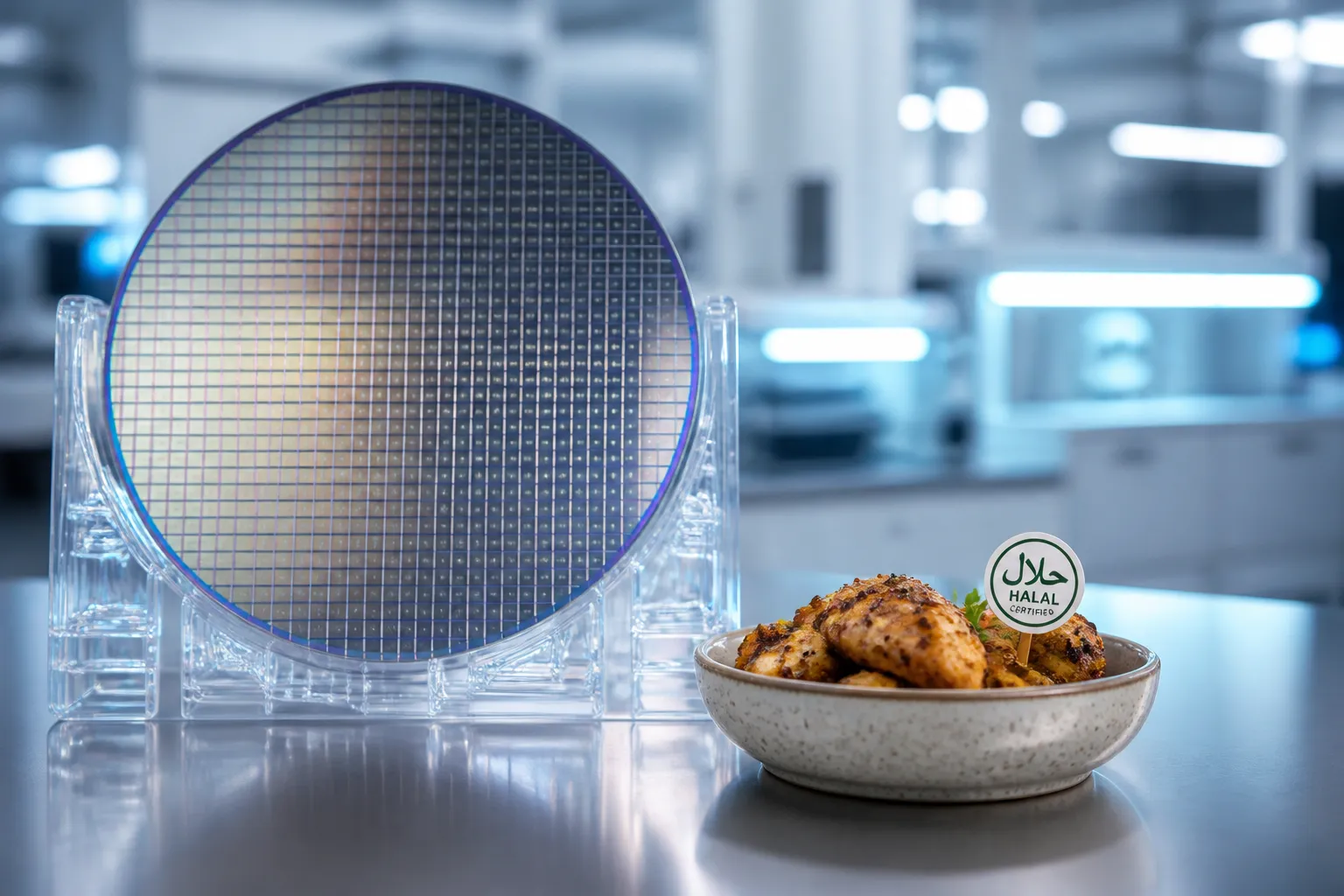
Malaysia and South Korea are charting a new frontier in trade, moving beyond conventional manufacturing to a partnership that places semiconductors, artificial intelligence, electric vehicles, renewable energy and the halal economy at its core. In a joint statement, MIDA Director Redzuan Abd Rahman and MATRADE Trade Commissioner Mohamad Termizi HJ Piee announced that the two countries are entering a new phase of collaboration.
According to MIDA, Korean firms have invested US$11.7 billion across more than 400 projects in Malaysia by 2025, creating nearly 50,000 jobs. Bilateral trade grew 52.3 percent year‑on‑year to US$19 billion from January through June, with Malaysia’s exports to Korea up 44.2 percent and imports from Korea rising 58.9 percent.
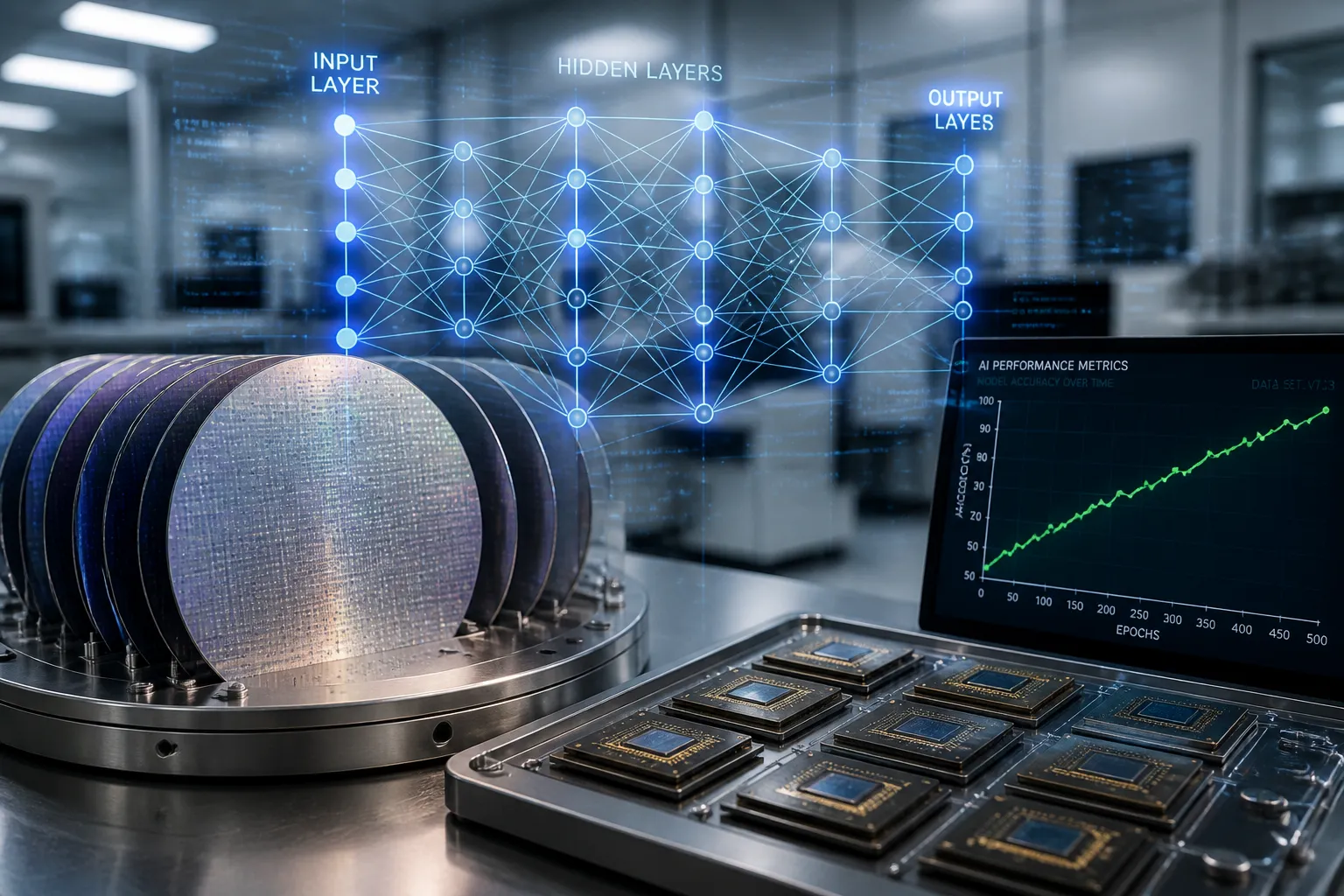
Malaysia already accounts for roughly 13 percent of global semiconductor packaging and testing, underscoring its strategic importance in the supply chain. The New Industrial Master Plan 2030, the National Semiconductor Strategy and the National Energy Transition Roadmap are all designed to push Malaysia toward higher‑value, innovation‑driven industries—an agenda that dovetails neatly with Korea’s leadership in semiconductors, AI, advanced manufacturing, mobility, batteries and green technologies.
SK Nexilis, a Korean subsidiary of SK Group, exemplifies the depth of investment. The company unveiled a US$540 million electric‑vehicle copper‑foil plant in Sabah—its largest overseas investment—to supply critical components for EV batteries.
Malaysia’s role as a gateway to ASEAN is highlighted by its participation in the Regional Comprehensive Economic Partnership and the ASEAN‑Korea Free Trade Agreement. An upcoming Malaysia‑Korea FTA is expected to further strengthen trade and investment, offering broader market access for both sides. Malaysia’s industrial maturity, strategic location, policy stability, multilingual workforce, robust intellectual‑property protection and ESG‑compliant manufacturing environment make it an attractive partner for Korean firms.
Both officials identified advanced technology sectors as priority areas for future collaboration. Semiconductors, AI, robotics, smart manufacturing, medical devices, green technology and digital services were cited as key opportunities. Malaysia’s role in the global semiconductor ecosystem and Korea’s reputation for technological innovation create a complementary partnership that could deepen supply‑chain integration and joint product development.
MIDA and MATRADE support Korean investors through end‑to‑end facilitation, including manufacturing licenses, tax incentives and expatriate services. MATRADE’s business‑matching programs connect Korean companies with Malaysian suppliers. The agencies maintain offices in Seoul—MIDA Seoul and MATRADE Seoul—providing a single point of contact for investment and trade inquiries.
Sustainability is a shared focus. Both countries aim for net‑zero emissions by 2050, opening avenues for collaboration in renewable energy, hydrogen, carbon capture and storage, solar manufacturing and the circular economy. The halal economy also presents significant growth potential. Malaysia’s internationally recognized halal certification system, combined with Korea’s biotechnology and pharmaceutical capabilities, could spur development in halal pharmaceuticals, functional foods and cosmetics.
The 22nd Malaysia International Halal Showcase (MIHAS) will be held in Kuala Lumpur from September 23 to 26. The event is expected to provide a platform for Korean businesses to engage with Malaysia’s halal ecosystem and expand into Muslim markets across ASEAN, the Middle East, South Asia and Africa.
In summary, Malaysia and South Korea are positioning their relationship for long‑term strategic collaboration in high‑tech and sustainable sectors. With significant Korean investment already in place, a growing trade volume, and upcoming events such as MIHAS and the Malaysia‑Korea FTA, both sides are poised to deepen ties and unlock new opportunities across the region.
According to MIDA, Korean firms have invested US$11.7 billion across more than 400 projects in Malaysia by 2025, creating nearly 50,000 jobs. Bilateral trade grew 52.3 percent year‑on‑year to US$19 billion from January through June, with Malaysia’s exports to Korea up 44.2 percent and imports from Korea rising 58.9 percent.
Malaysia already accounts for roughly 13 percent of global semiconductor packaging and testing, underscoring its strategic importance in the supply chain. The New Industrial Master Plan 2030, the National Semiconductor Strategy and the National Energy Transition Roadmap are all designed to push Malaysia toward higher‑value, innovation‑driven industries—an agenda that dovetails neatly with Korea’s leadership in semiconductors, AI, advanced manufacturing, mobility, batteries and green technologies.
SK Nexilis, a Korean subsidiary of SK Group, exemplifies the depth of investment. The company unveiled a US$540 million electric‑vehicle copper‑foil plant in Sabah—its largest overseas investment—to supply critical components for EV batteries.
Malaysia’s role as a gateway to ASEAN is highlighted by its participation in the Regional Comprehensive Economic Partnership and the ASEAN‑Korea Free Trade Agreement. An upcoming Malaysia‑Korea FTA is expected to further strengthen trade and investment, offering broader market access for both sides. Malaysia’s industrial maturity, strategic location, policy stability, multilingual workforce, robust intellectual‑property protection and ESG‑compliant manufacturing environment make it an attractive partner for Korean firms.
Both officials identified advanced technology sectors as priority areas for future collaboration. Semiconductors, AI, robotics, smart manufacturing, medical devices, green technology and digital services were cited as key opportunities. Malaysia’s role in the global semiconductor ecosystem and Korea’s reputation for technological innovation create a complementary partnership that could deepen supply‑chain integration and joint product development.
MIDA and MATRADE support Korean investors through end‑to‑end facilitation, including manufacturing licenses, tax incentives and expatriate services. MATRADE’s business‑matching programs connect Korean companies with Malaysian suppliers. The agencies maintain offices in Seoul—MIDA Seoul and MATRADE Seoul—providing a single point of contact for investment and trade inquiries.
Sustainability is a shared focus. Both countries aim for net‑zero emissions by 2050, opening avenues for collaboration in renewable energy, hydrogen, carbon capture and storage, solar manufacturing and the circular economy. The halal economy also presents significant growth potential. Malaysia’s internationally recognized halal certification system, combined with Korea’s biotechnology and pharmaceutical capabilities, could spur development in halal pharmaceuticals, functional foods and cosmetics.
The 22nd Malaysia International Halal Showcase (MIHAS) will be held in Kuala Lumpur from September 23 to 26. The event is expected to provide a platform for Korean businesses to engage with Malaysia’s halal ecosystem and expand into Muslim markets across ASEAN, the Middle East, South Asia and Africa.
In summary, Malaysia and South Korea are positioning their relationship for long‑term strategic collaboration in high‑tech and sustainable sectors. With significant Korean investment already in place, a growing trade volume, and upcoming events such as MIHAS and the Malaysia‑Korea FTA, both sides are poised to deepen ties and unlock new opportunities across the region.