Blab Tech
F1 2026: Radical Engine and Chassis Overhaul Sets New 50:50 Hybrid Standard
In a move that could redefine the very fabric of Formula 1, the Fédération Internationale de l’Automobile (FIA) is set to introduce the most extensive technical changes since the sport’s 2014 hybrid era. The 2026 regulations overhaul both the power unit and the chassis, making the cars lighter, narrower, and more complex to operate.
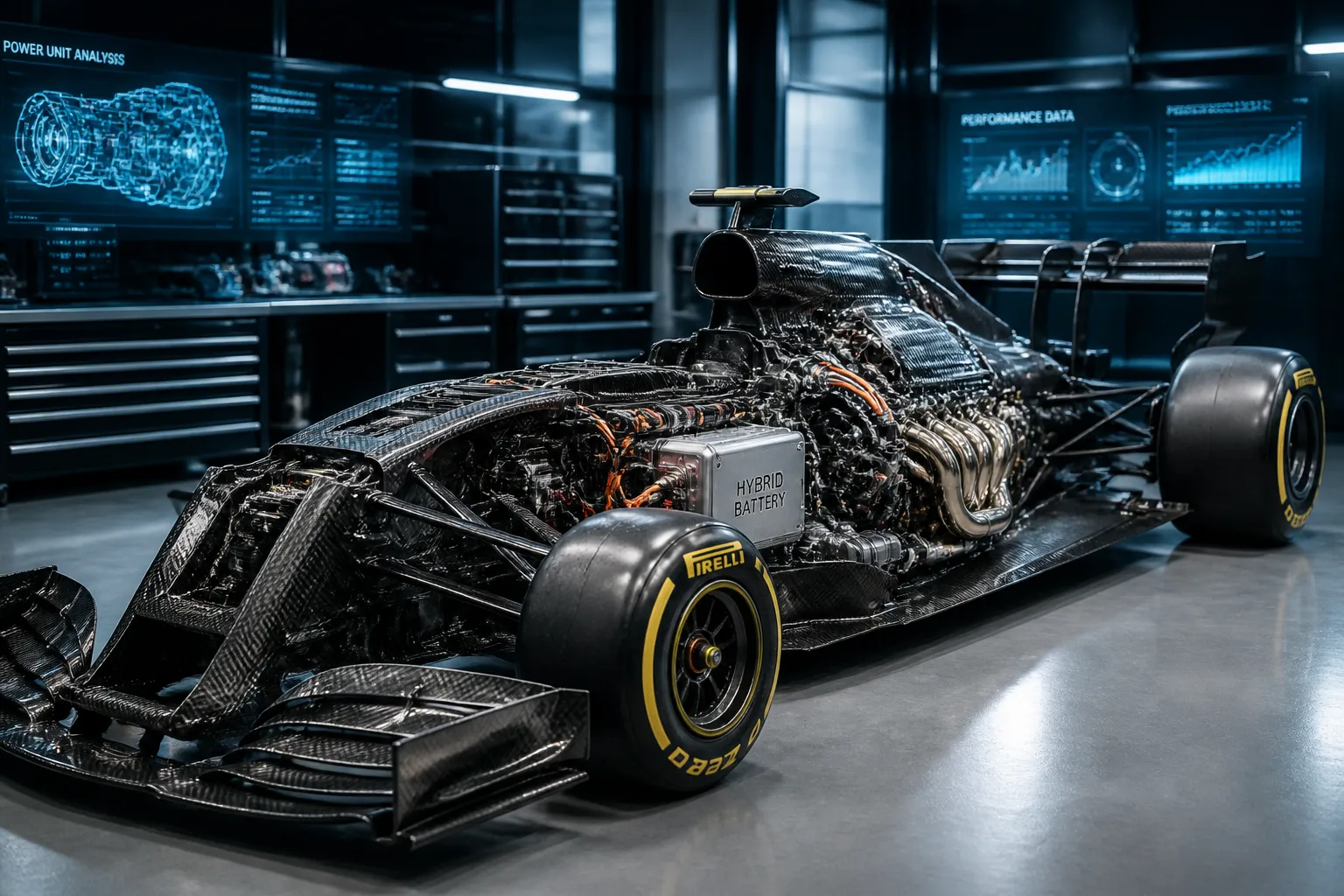
Under the new rules, the power unit must deliver roughly equal output from the internal‑combustion engine (ICE) and the electric motor. The FIA’s 2026 technical regulations target about 400 kW from the ICE and a similar amount from the electric motor, creating a near‑50:50 split. The MGU‑H, which previously recovered energy from the turbocharger, is removed, while the MGU‑K is expanded to 9 MJ per lap. Sustainable, carbon‑neutral fuel becomes mandatory, and teams must power the electrical system entirely with renewable energy.
The chassis changes are equally sweeping. Cars will be 10 % lighter and 15 % narrower than the 2024 models, with a revised floor and side‑pod design that limits the size of aerodynamic surfaces. The new regulations also introduce active aerodynamics, allowing teams to adjust the front and rear wings during a race. A dedicated “overtake mode” will enable a driver to temporarily increase front‑wing downforce to aid passing.
The 2026 season will also welcome a new constructor. Cadillac will debut as an independent team using Ferrari power units, while Audi—having acquired Sauber in 2024—will field its own power unit. Honda will supply Aston Martin with a new engine after ending its partnership with Red Bull, and Ford will return to the grid for the first time since 2004, supporting Red Bull Powertrains.
The regulatory changes were announced years in advance to give teams time to design and test the new cars. The FIA’s 2026 technical regulations document, released in June 2024, outlines detailed requirements for power‑unit manufacturers and suppliers during the 2022‑2025 homologation period.
Safety and sustainability are the stated goals of the overhaul. By limiting the size of aerodynamic components and tightening the power‑unit architecture, the FIA aims to reduce cornering speeds and improve driver protection. The mandatory use of renewable fuel and the increased share of electrical power also align with the sport’s broader environmental targets.
Teams have already begun adapting to the new rules. Mercedes‑powered McLaren, Ferrari, and Red Bull have all announced development programs focused on the 50:50 hybrid split and the new aerodynamic package. The first 2026 car prototypes are expected to be unveiled in the summer of 2025.
The 2026 regulations represent a significant shift in Formula 1’s technical landscape. The combination of lighter, narrower chassis, a near‑equal ICE‑electric power split, and active aerodynamics will create a new competitive dynamic that teams must master before the season’s opening race in March.
As the sport moves into this new era, observers will watch how the balance of power between the ICE and electric motor affects race strategy, tyre wear, and overall performance. The FIA’s decision to legislate out many of the innovative solutions that emerged in the 2024 season underscores its intent to keep the sport safe, sustainable, and competitive.
The 2026 season will therefore be a test of engineering ingenuity and strategic adaptation, as teams navigate a radically altered technical framework that promises to reshape Formula 1 for the next decade.
Under the new rules, the power unit must deliver roughly equal output from the internal‑combustion engine (ICE) and the electric motor. The FIA’s 2026 technical regulations target about 400 kW from the ICE and a similar amount from the electric motor, creating a near‑50:50 split. The MGU‑H, which previously recovered energy from the turbocharger, is removed, while the MGU‑K is expanded to 9 MJ per lap. Sustainable, carbon‑neutral fuel becomes mandatory, and teams must power the electrical system entirely with renewable energy.
The chassis changes are equally sweeping. Cars will be 10 % lighter and 15 % narrower than the 2024 models, with a revised floor and side‑pod design that limits the size of aerodynamic surfaces. The new regulations also introduce active aerodynamics, allowing teams to adjust the front and rear wings during a race. A dedicated “overtake mode” will enable a driver to temporarily increase front‑wing downforce to aid passing.
The 2026 season will also welcome a new constructor. Cadillac will debut as an independent team using Ferrari power units, while Audi—having acquired Sauber in 2024—will field its own power unit. Honda will supply Aston Martin with a new engine after ending its partnership with Red Bull, and Ford will return to the grid for the first time since 2004, supporting Red Bull Powertrains.
The regulatory changes were announced years in advance to give teams time to design and test the new cars. The FIA’s 2026 technical regulations document, released in June 2024, outlines detailed requirements for power‑unit manufacturers and suppliers during the 2022‑2025 homologation period.
Safety and sustainability are the stated goals of the overhaul. By limiting the size of aerodynamic components and tightening the power‑unit architecture, the FIA aims to reduce cornering speeds and improve driver protection. The mandatory use of renewable fuel and the increased share of electrical power also align with the sport’s broader environmental targets.
Teams have already begun adapting to the new rules. Mercedes‑powered McLaren, Ferrari, and Red Bull have all announced development programs focused on the 50:50 hybrid split and the new aerodynamic package. The first 2026 car prototypes are expected to be unveiled in the summer of 2025.
The 2026 regulations represent a significant shift in Formula 1’s technical landscape. The combination of lighter, narrower chassis, a near‑equal ICE‑electric power split, and active aerodynamics will create a new competitive dynamic that teams must master before the season’s opening race in March.
As the sport moves into this new era, observers will watch how the balance of power between the ICE and electric motor affects race strategy, tyre wear, and overall performance. The FIA’s decision to legislate out many of the innovative solutions that emerged in the 2024 season underscores its intent to keep the sport safe, sustainable, and competitive.
The 2026 season will therefore be a test of engineering ingenuity and strategic adaptation, as teams navigate a radically altered technical framework that promises to reshape Formula 1 for the next decade.