Blab Tech
Apple Drops Planned White-Glove Device Feature Over Privacy Concerns
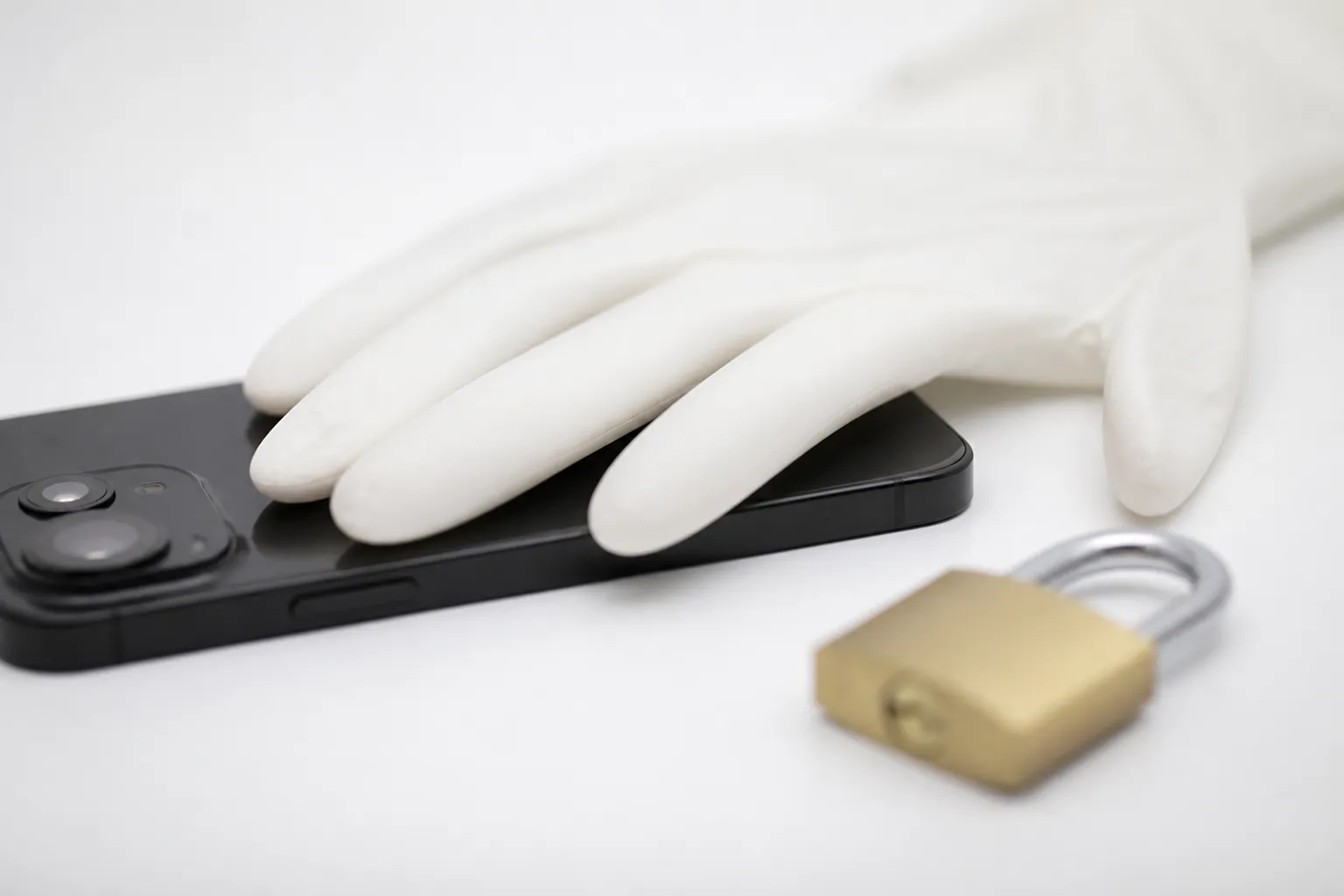
Apple has reportedly considered a feature that would have allowed new devices to arrive pre‑loaded with a user’s data from iCloud, but the company decided not to launch it. The idea was part of a broader leasing program that Apple has been developing, known as Apple Upgrade, which would let customers pay a monthly fee for a new device every 12 to 36 months. According to Bloomberg’s Mark Gurman, the leasing plan would have included a “white‑glove component” that would ship a device already populated with the user’s iCloud backup. Gurman said the feature was in development for some time but was ultimately shelved because of privacy concerns.
Apple Upgrade is a subscription‑style service that is currently available only to U.S. residents. The program does not offer the white‑glove option; customers can choose a new device each cycle but must set it up themselves. The proposed white‑glove component would have eliminated the need for manual setup by automatically restoring apps, settings, photos, health data, and other information from the user’s iCloud backup. Gurman noted that the feature would have “taken away the burden of setting up new devices,” a process that many users find tedious.
The privacy concerns that led Apple to abandon the white‑glove idea stem from the fact that the company would be shipping a device that already contains a user’s personal data. Gurman said the optics of an electronics company delivering a brand‑new device that already holds a customer’s sensitive information “might have been disturbing.” Apple has long emphasized its privacy stance, offering end‑to‑end encryption for most iCloud data and highlighting that user data is protected on the device. The decision to drop the feature reflects the broader shift in consumer expectations toward tighter privacy controls, especially after high‑profile incidents involving data misuse and increased regulatory scrutiny.
In addition to the leasing program, Apple has been preparing for the launch of its first generation of smart glasses. Gurman reported that Apple is “taking steps to tailor its privacy message very carefully” as the product approaches release. The company’s focus on privacy messaging is consistent with its recent public communications, which emphasize that data collected by Apple devices is processed on the device whenever possible and that the company does not use personal data for advertising.
The potential white‑glove component would have had implications beyond privacy. If it had been introduced, it could have accelerated the adoption of Apple Upgrade by reducing the friction of switching devices. It would also have set a precedent for other manufacturers to consider pre‑loading devices with user data, a practice that could raise additional regulatory questions about data ownership and transfer. However, Apple’s decision to keep the feature off the market suggests that the company is prioritizing user trust over convenience.
At present, Apple’s Upgrade program remains a subscription option that requires users to set up new devices themselves. The company has not announced any changes to the program, and no regulatory action has been taken in relation to the abandoned white‑glove feature. Apple continues to monitor privacy concerns as it develops new hardware, including the upcoming smart glasses, and is likely to maintain its cautious approach to data handling in future product releases.
Apple Upgrade is a subscription‑style service that is currently available only to U.S. residents. The program does not offer the white‑glove option; customers can choose a new device each cycle but must set it up themselves. The proposed white‑glove component would have eliminated the need for manual setup by automatically restoring apps, settings, photos, health data, and other information from the user’s iCloud backup. Gurman noted that the feature would have “taken away the burden of setting up new devices,” a process that many users find tedious.
The privacy concerns that led Apple to abandon the white‑glove idea stem from the fact that the company would be shipping a device that already contains a user’s personal data. Gurman said the optics of an electronics company delivering a brand‑new device that already holds a customer’s sensitive information “might have been disturbing.” Apple has long emphasized its privacy stance, offering end‑to‑end encryption for most iCloud data and highlighting that user data is protected on the device. The decision to drop the feature reflects the broader shift in consumer expectations toward tighter privacy controls, especially after high‑profile incidents involving data misuse and increased regulatory scrutiny.
In addition to the leasing program, Apple has been preparing for the launch of its first generation of smart glasses. Gurman reported that Apple is “taking steps to tailor its privacy message very carefully” as the product approaches release. The company’s focus on privacy messaging is consistent with its recent public communications, which emphasize that data collected by Apple devices is processed on the device whenever possible and that the company does not use personal data for advertising.
The potential white‑glove component would have had implications beyond privacy. If it had been introduced, it could have accelerated the adoption of Apple Upgrade by reducing the friction of switching devices. It would also have set a precedent for other manufacturers to consider pre‑loading devices with user data, a practice that could raise additional regulatory questions about data ownership and transfer. However, Apple’s decision to keep the feature off the market suggests that the company is prioritizing user trust over convenience.
At present, Apple’s Upgrade program remains a subscription option that requires users to set up new devices themselves. The company has not announced any changes to the program, and no regulatory action has been taken in relation to the abandoned white‑glove feature. Apple continues to monitor privacy concerns as it develops new hardware, including the upcoming smart glasses, and is likely to maintain its cautious approach to data handling in future product releases.








