Blab Tech
Samsung Unveils Galaxy Z Fold 8: A Passport-Sized Foldable With New Design, Snapdragon 8 Elite Gen 5, and Android 17
When Samsung rolled out the Galaxy Z Fold 8 on July 22 in London, it didn’t simply add another foldable to its lineup—it redefined the shape of the device itself. The phone, released on August 7, carries a passport‑shaped chassis that is wider than any of its predecessors and runs the latest Android 17 with One UI 9.
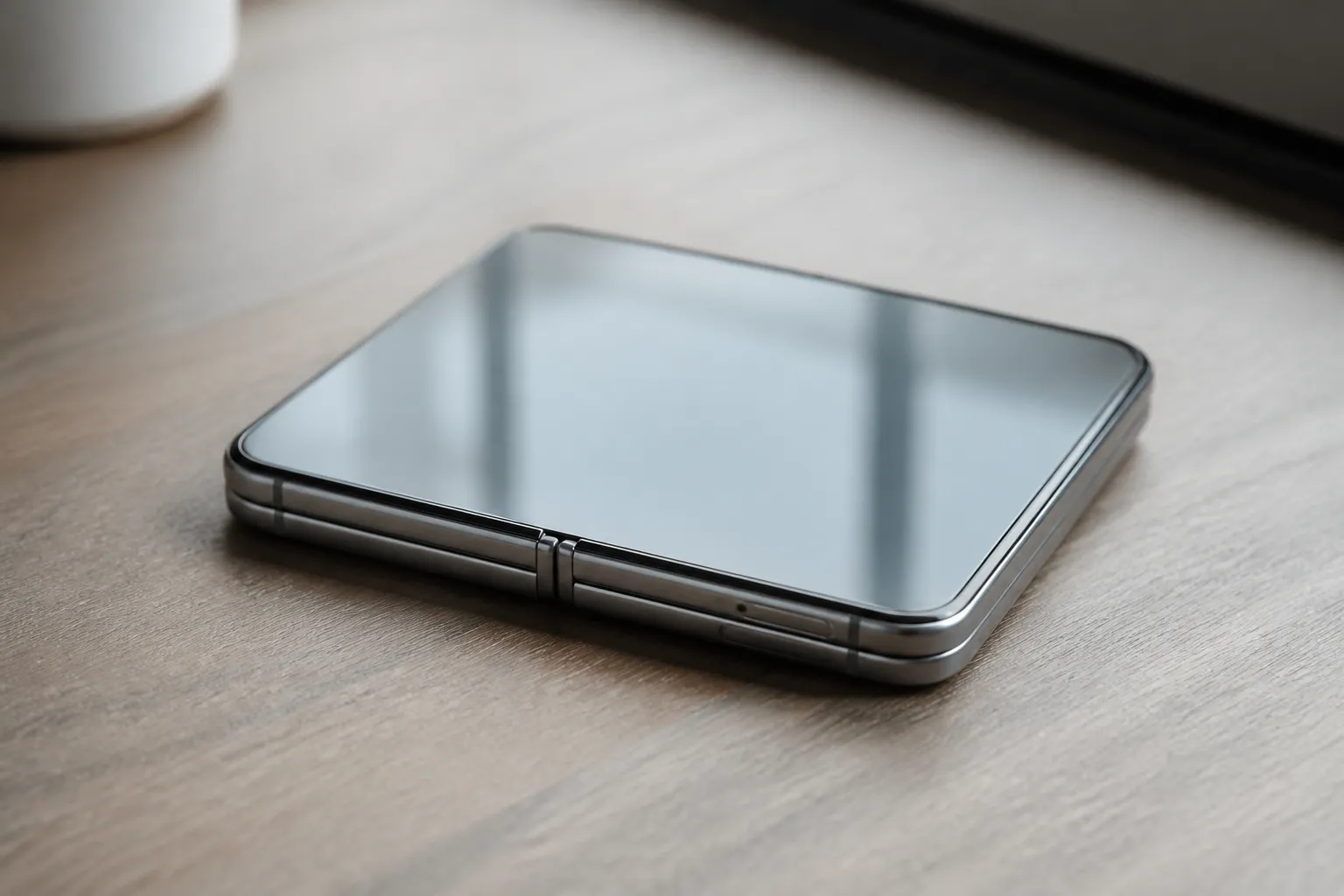
The new form factor marks a clear departure from the book‑style designs that began with the original Galaxy Fold in 2019. At 81.9 mm by 123.9 mm and 9.7 mm thick when folded, the Z Fold 8 weighs just over seven ounces, a noticeable lightening that Samsung attributes to the use of titanium alloy on the display and a titanium plate beneath it. The cover screen is a 5.5‑inch Dynamic AMOLED panel with a 16:10 aspect ratio, while the inner screen expands to a 7.6‑inch Dynamic AMOLED display in a 4:3 ratio that resembles a standard tablet. Samsung claims the larger cover screen improves everyday use, allowing users to type, browse, and run apps without opening the device.
Durability remains a priority. The titanium‑reinforced film and plate give the display extra strength, and the hinge is described as “firm and stable” with a satisfying click. Although the device is rated IP48—providing dust and water resistance comparable to the Fold 7—it still falls short of the full IP68 standard of slab smartphones. Reviewers note that the hinge does create a crease on the inner display, but most find it unintrusive.
Under the hood, the Z Fold 8 is powered by Qualcomm’s Snapdragon 8 Elite Gen 5, a high‑performance SoC that matches the Galaxy S26 series in speed. The phone ships with 12 GB of RAM, and the premium 1‑TB storage model includes the same memory. Independent reviewers report that the device handles multitasking, console‑grade games, and AI tasks such as Google Gemini queries without noticeable lag.
The camera setup consists of dual 50‑megapixel sensors. The main camera is used for photos and video calls, while a secondary 10‑megapixel sensor on the inner screen serves as a selfie camera. The absence of a third telephoto lens is noted as a limitation for users who require advanced zoom or macro capabilities. Samsung’s Galaxy Z Fold 8 Ultra variant adds a third camera and a larger processor, but it is positioned as a separate model.
Battery life is supported by a 4,800‑mAh pack. Reviewers report a full day of use without a top‑off, and wired and wireless charging speeds are comparable to the Galaxy S26 Ultra. The phone also includes Samsung’s Galaxy AI features, and One UI 9 provides access to on‑device AI tools along with a six‑month free Google AI Pro subscription.
The Z Fold 8 is priced at $1,900, a premium that reflects its foldable status and new design. Samsung’s marketing emphasizes the phone’s lightweight, functional form and its ability to serve as both a smartphone and a tablet. The company also promises seven years of security updates for the device.
In sum, the Galaxy Z Fold 8 introduces a passport‑shaped foldable that improves usability, durability, and performance compared to earlier models. While it still lacks a telephoto lens and carries a high price tag, the phone’s new design and hardware make it Samsung’s most advanced foldable to date.
The new form factor marks a clear departure from the book‑style designs that began with the original Galaxy Fold in 2019. At 81.9 mm by 123.9 mm and 9.7 mm thick when folded, the Z Fold 8 weighs just over seven ounces, a noticeable lightening that Samsung attributes to the use of titanium alloy on the display and a titanium plate beneath it. The cover screen is a 5.5‑inch Dynamic AMOLED panel with a 16:10 aspect ratio, while the inner screen expands to a 7.6‑inch Dynamic AMOLED display in a 4:3 ratio that resembles a standard tablet. Samsung claims the larger cover screen improves everyday use, allowing users to type, browse, and run apps without opening the device.
Durability remains a priority. The titanium‑reinforced film and plate give the display extra strength, and the hinge is described as “firm and stable” with a satisfying click. Although the device is rated IP48—providing dust and water resistance comparable to the Fold 7—it still falls short of the full IP68 standard of slab smartphones. Reviewers note that the hinge does create a crease on the inner display, but most find it unintrusive.
Under the hood, the Z Fold 8 is powered by Qualcomm’s Snapdragon 8 Elite Gen 5, a high‑performance SoC that matches the Galaxy S26 series in speed. The phone ships with 12 GB of RAM, and the premium 1‑TB storage model includes the same memory. Independent reviewers report that the device handles multitasking, console‑grade games, and AI tasks such as Google Gemini queries without noticeable lag.
The camera setup consists of dual 50‑megapixel sensors. The main camera is used for photos and video calls, while a secondary 10‑megapixel sensor on the inner screen serves as a selfie camera. The absence of a third telephoto lens is noted as a limitation for users who require advanced zoom or macro capabilities. Samsung’s Galaxy Z Fold 8 Ultra variant adds a third camera and a larger processor, but it is positioned as a separate model.
Battery life is supported by a 4,800‑mAh pack. Reviewers report a full day of use without a top‑off, and wired and wireless charging speeds are comparable to the Galaxy S26 Ultra. The phone also includes Samsung’s Galaxy AI features, and One UI 9 provides access to on‑device AI tools along with a six‑month free Google AI Pro subscription.
The Z Fold 8 is priced at $1,900, a premium that reflects its foldable status and new design. Samsung’s marketing emphasizes the phone’s lightweight, functional form and its ability to serve as both a smartphone and a tablet. The company also promises seven years of security updates for the device.
In sum, the Galaxy Z Fold 8 introduces a passport‑shaped foldable that improves usability, durability, and performance compared to earlier models. While it still lacks a telephoto lens and carries a high price tag, the phone’s new design and hardware make it Samsung’s most advanced foldable to date.








