Blab Tech
Marks & Spencer Deploys 10 Electric DAF XD Trucks in First UK Inverter-Powered Refrigeration Trial
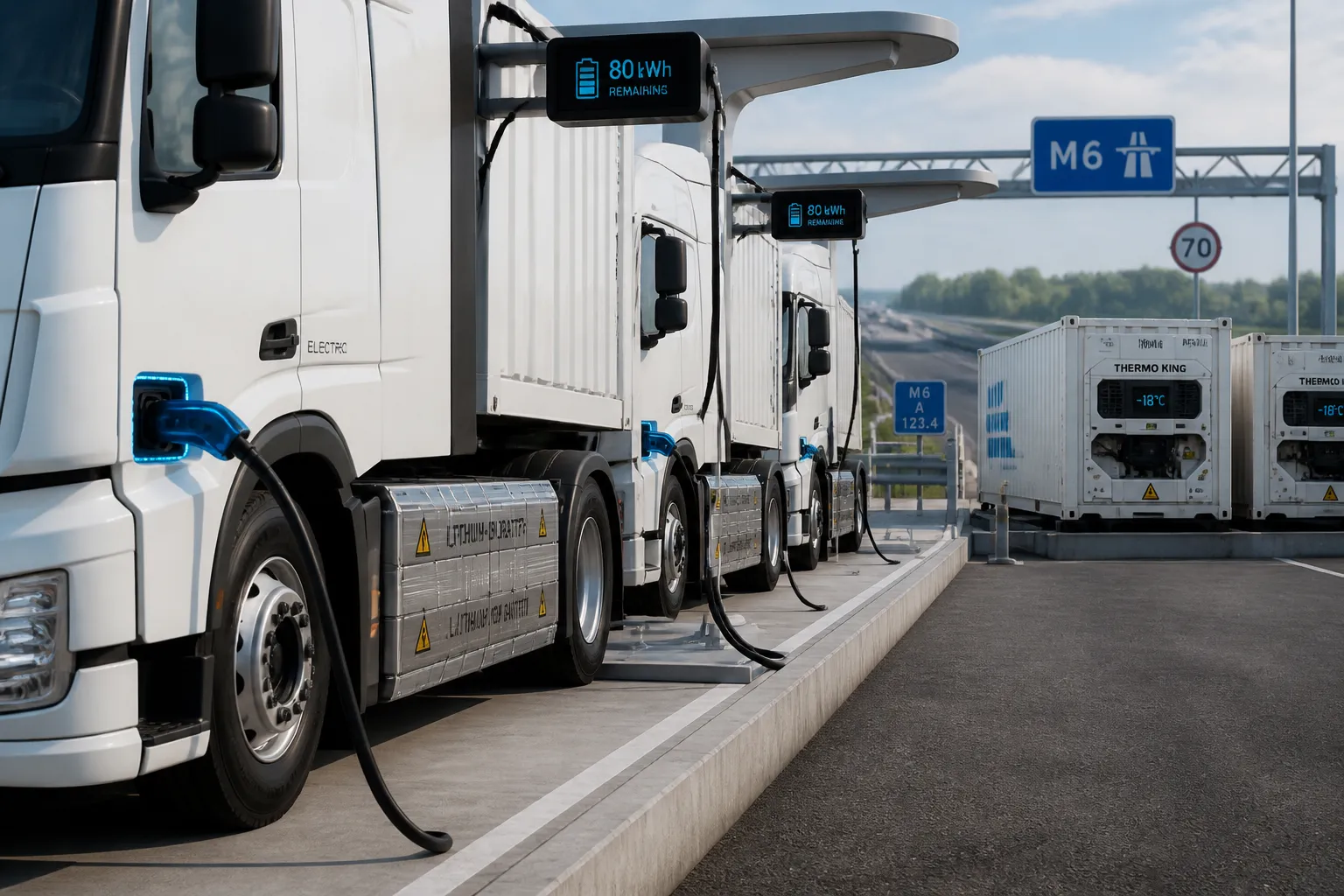
Marks & Spencer (M&S) has announced the addition of ten lower‑emission DAF XD electric trucks to its supply‑chain logistics fleet, marking the first time a UK‑based vehicle will use an integrated inverter to power trailer refrigeration from the main battery. The move, unveiled in July 2026, is a key milestone in the retailer’s “Plan A” roadmap to Net Zero by 2040.
The initiative is part of a broader effort to decarbonise M&S’s freight operations. By electrifying both the tractor and the refrigeration system, the company aims to cut greenhouse‑gas emissions from its transport network and reduce reliance on diesel‑powered chillers that currently accompany chilled goods.
The DAF XD units are the first in the United Kingdom to feature an inverter that draws power from the vehicle’s battery to run the trailer’s refrigeration unit. The technology was developed through the eFREIGHT 2030 project, a government‑funded programme that supports the deployment of zero‑emission heavy‑goods vehicles and the necessary charging infrastructure. The trucks will operate at gross weights between 32 and 42 tons and offer daily ranges of 250 to 300 miles, depending on route profile, load weight and operating conditions.
M&S will deploy the ten vehicles across its food and fashion, as well as home and beauty operations. Five trucks are already in service, while the remaining five are scheduled to enter service later this year. The rollout is intended to reduce diesel consumption on refrigerated hauls and demonstrate the viability of electric refrigeration for commercial freight.
The new DAF XD units build on a foundation that already includes eight zero‑tailpipe emission battery‑electric HGVs and five battery‑electric rigids. By expanding its electric fleet, M&S is positioning itself for further low‑carbon innovations in the logistics sector.
Mick Pethard, M&S’s group fleet manager, said that adapting the company’s logistics network is vital to achieving its Plan A Net Zero ambitions. "We’re committed to reducing carbon emissions from our transport and, through collaboration with Gist and DAF, we are able to trial new technologies, reduce carbon, save energy and drive operational efficiencies across the business," Pethard said in a company statement.
The eFREIGHT 2030 project is part of the United Kingdom’s Zero Emission HGV and Infrastructure Demonstrator Programme, which receives public funding to accelerate the switch from diesel to electric power in the heavy‑goods sector. The programme supports the installation of high‑capacity charging sites and the testing of vehicle technologies that reduce tailpipe emissions. M&S’s partnership with Gist, its transport subsidiary, and DAF, the truck manufacturer, exemplifies the collaboration the programme encourages.
At present, M&S has five electric DAF XD trucks in operation and five more to follow. The company continues to invest in projects that lower the carbon impact of moving products to depots and stores. No regulatory actions or court proceedings are currently associated with the rollout, and the company has not announced any additional funding rounds or product launches beyond the ten‑truck deployment. The next steps for M&S will involve monitoring the performance of the new vehicles, expanding the electric fleet, and reporting progress toward its 2040 Net Zero target.
The initiative is part of a broader effort to decarbonise M&S’s freight operations. By electrifying both the tractor and the refrigeration system, the company aims to cut greenhouse‑gas emissions from its transport network and reduce reliance on diesel‑powered chillers that currently accompany chilled goods.
The DAF XD units are the first in the United Kingdom to feature an inverter that draws power from the vehicle’s battery to run the trailer’s refrigeration unit. The technology was developed through the eFREIGHT 2030 project, a government‑funded programme that supports the deployment of zero‑emission heavy‑goods vehicles and the necessary charging infrastructure. The trucks will operate at gross weights between 32 and 42 tons and offer daily ranges of 250 to 300 miles, depending on route profile, load weight and operating conditions.
M&S will deploy the ten vehicles across its food and fashion, as well as home and beauty operations. Five trucks are already in service, while the remaining five are scheduled to enter service later this year. The rollout is intended to reduce diesel consumption on refrigerated hauls and demonstrate the viability of electric refrigeration for commercial freight.
The new DAF XD units build on a foundation that already includes eight zero‑tailpipe emission battery‑electric HGVs and five battery‑electric rigids. By expanding its electric fleet, M&S is positioning itself for further low‑carbon innovations in the logistics sector.
Mick Pethard, M&S’s group fleet manager, said that adapting the company’s logistics network is vital to achieving its Plan A Net Zero ambitions. "We’re committed to reducing carbon emissions from our transport and, through collaboration with Gist and DAF, we are able to trial new technologies, reduce carbon, save energy and drive operational efficiencies across the business," Pethard said in a company statement.
The eFREIGHT 2030 project is part of the United Kingdom’s Zero Emission HGV and Infrastructure Demonstrator Programme, which receives public funding to accelerate the switch from diesel to electric power in the heavy‑goods sector. The programme supports the installation of high‑capacity charging sites and the testing of vehicle technologies that reduce tailpipe emissions. M&S’s partnership with Gist, its transport subsidiary, and DAF, the truck manufacturer, exemplifies the collaboration the programme encourages.
At present, M&S has five electric DAF XD trucks in operation and five more to follow. The company continues to invest in projects that lower the carbon impact of moving products to depots and stores. No regulatory actions or court proceedings are currently associated with the rollout, and the company has not announced any additional funding rounds or product launches beyond the ten‑truck deployment. The next steps for M&S will involve monitoring the performance of the new vehicles, expanding the electric fleet, and reporting progress toward its 2040 Net Zero target.








