Blab Tech
Ukrainian Drone Interceptors Turn Frontline Labs into Air-Defense Innovation Hubs
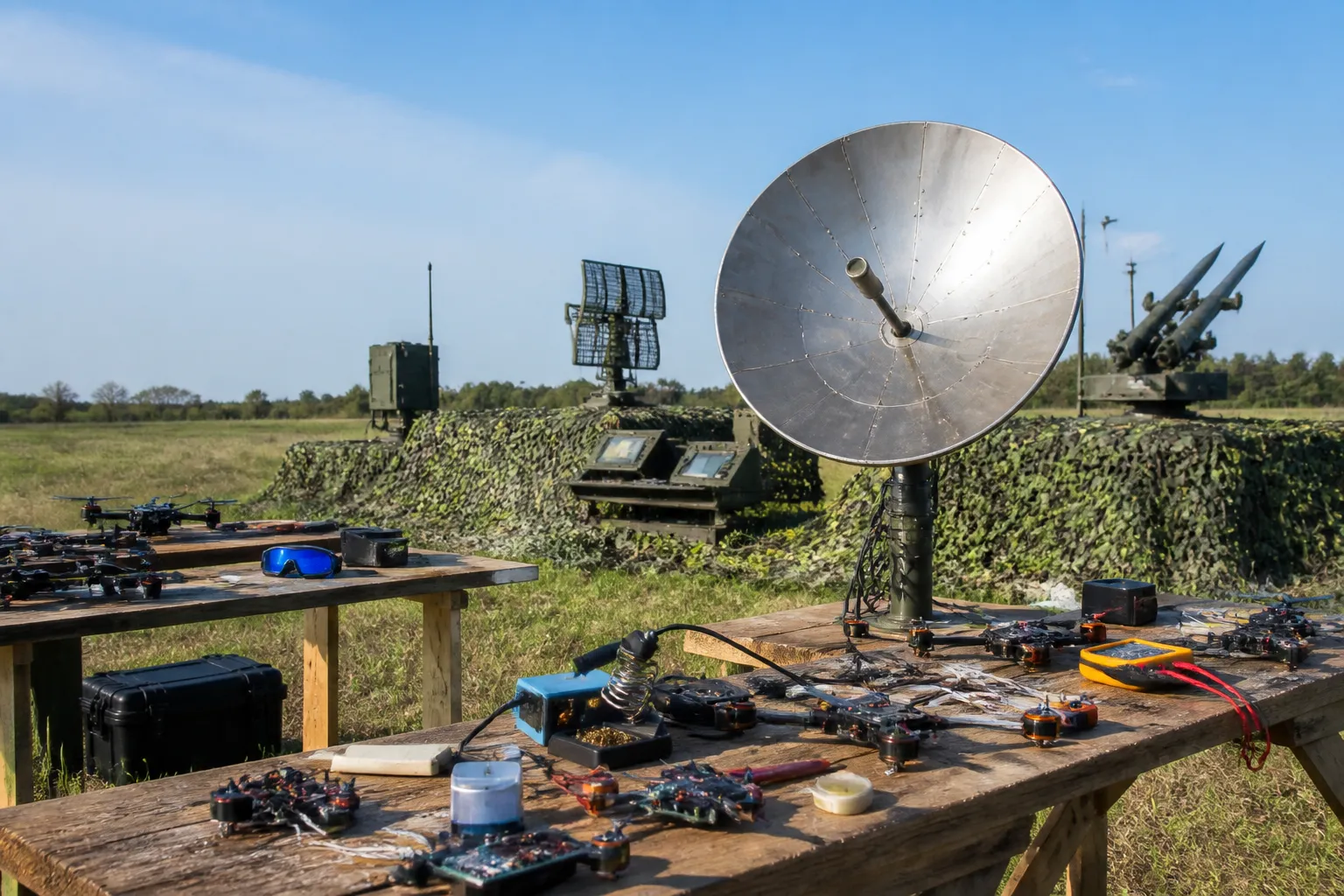
In Kharkiv, a tight‑knit squad of Ukrainian soldiers scans the night sky for Iranian‑designed Shahed drones that Russia unleashes in waves. Between patrols, the crew of the 127th Brigade hones its own interceptor drones, hunting for design flaws that could jeopardize performance when the threat finally arrives.
Shahed drones entered the conflict in autumn 2022, and Ukraine initially had limited options to counter them. Today, crews intercept the attackers mid‑flight using technology that has advanced swiftly. The domestic drone‑interceptor market has expanded, with key players exhibiting their systems at international arms shows, but it is the frontline units that serve as living laboratories, turning battlefield exigencies into globally noticed solutions.
President Volodymyr Zelenskyy noted that U.S. allies in the Middle East have sought Ukrainian assistance in countering Iranian drones. Iran has deployed the same drones in retaliation for U.S.–Israeli strikes, occasionally overwhelming sophisticated Western air‑defenses and highlighting the demand for affordable, adaptable countermeasures.
A pilot from the 127th Brigade, who wished to remain anonymous, said the move to drones stemmed from a shortage of alternatives. He pointed out that a Patriot missile costs roughly $2 million, whereas a small aircraft costs about $2,200. If an interceptor misses, the pilot can land it, repair it, and fly it again—a strategy that conserves scarce resources while maintaining effectiveness.
The 127th Brigade is constructing an air‑defense unit focused on interceptor drone crews—a model that is gaining traction throughout the Ukrainian military. Its 27‑year‑old commander initially employed shoulder‑fired missiles to target Russian reconnaissance drones, only to find the tactic ineffective against nimble aircraft. The search for alternatives led to the answer: another drone.
The captain recalled a moment when a Russian Orlan reconnaissance drone hovered over a Ukrainian position, relaying coordinates that guided Russian artillery. A unit pilot destroyed the Orlan by employing another drone, and that event convinced the captain that the conflict had turned into a drone war.
The captain’s quest for a solution brought him to the 127th Brigade in Kharkiv and a local defense firm. Together, they developed aircraft‑style interceptor drones that can match the speed of Shahed drones. The Skystriker diverges from more common interceptor systems like Sting or P1‑Sun, which adapt first‑person view (FPV) drones. Instead, it mimics a small aircraft with wings, enabling it to remain airborne for longer periods.
A director from the company, who wished to remain anonymous, emphasized that constructing a drone is insufficient; it must perform reliably in real combat scenarios. “That’s why communication with the military is crucial,” he explained.
In Ukraine, collaboration often stretches beyond the military and manufacturers. Volunteers frequently serve as intermediaries, sometimes bridging the two sides. The Come Back Alive Foundation—a nonprofit think‑tank and charity—launched a project called “Dronopad” in summer 2024. The concept emerged from battlefield reports indicating that FPV pilots could track and intercept aerial targets, early instances that informed efforts to counter Shahed drones.
The foundation collaborated with drone manufacturers to identify the systems soldiers required. As the project progressed, interceptor drones achieved speeds exceeding 200 km/h (124 mph), enabling them to intercept Shahed drones mid‑flight. The foundation kept a close eye on the fast‑growing drone market, noting that tight cooperation between manufacturers and the military lets engineers receive battlefield feedback rapidly.
The underlying technology is not particularly hard to replicate; its true value lies in deployment and the expertise of pilots who have mastered its use. Early skepticism—some believed the drones would become obsolete within a month—has given way to evidence that the approach is effective.
Both the captain and the foundation’s director noted that the system has earned the nickname “air defense for the poor.” Although high‑end air‑defense systems can be expensive, the low‑cost drones often prove more effective than premium solutions in numerous situations.
The Ukrainian drone‑interceptor initiative demonstrates how conflict can accelerate defense technology development. The 127th Brigade’s crews, local manufacturers, and volunteer groups have transformed the frontline into a testing arena, producing drones that rival the speed and endurance of the weapons they are meant to neutralize.
The initiative remains in flux. Ukrainian forces keep refining interceptor drones, and the Come Back Alive Foundation intends to scale the Dronopad project to destroy 50,000 Russian drones by 2026. The collaboration between the military, industry, and volunteers exemplifies a rapid, resource‑efficient innovation model that could shape future air‑defense strategies worldwide.
Shahed drones entered the conflict in autumn 2022, and Ukraine initially had limited options to counter them. Today, crews intercept the attackers mid‑flight using technology that has advanced swiftly. The domestic drone‑interceptor market has expanded, with key players exhibiting their systems at international arms shows, but it is the frontline units that serve as living laboratories, turning battlefield exigencies into globally noticed solutions.
President Volodymyr Zelenskyy noted that U.S. allies in the Middle East have sought Ukrainian assistance in countering Iranian drones. Iran has deployed the same drones in retaliation for U.S.–Israeli strikes, occasionally overwhelming sophisticated Western air‑defenses and highlighting the demand for affordable, adaptable countermeasures.
A pilot from the 127th Brigade, who wished to remain anonymous, said the move to drones stemmed from a shortage of alternatives. He pointed out that a Patriot missile costs roughly $2 million, whereas a small aircraft costs about $2,200. If an interceptor misses, the pilot can land it, repair it, and fly it again—a strategy that conserves scarce resources while maintaining effectiveness.
The 127th Brigade is constructing an air‑defense unit focused on interceptor drone crews—a model that is gaining traction throughout the Ukrainian military. Its 27‑year‑old commander initially employed shoulder‑fired missiles to target Russian reconnaissance drones, only to find the tactic ineffective against nimble aircraft. The search for alternatives led to the answer: another drone.
The captain recalled a moment when a Russian Orlan reconnaissance drone hovered over a Ukrainian position, relaying coordinates that guided Russian artillery. A unit pilot destroyed the Orlan by employing another drone, and that event convinced the captain that the conflict had turned into a drone war.
The captain’s quest for a solution brought him to the 127th Brigade in Kharkiv and a local defense firm. Together, they developed aircraft‑style interceptor drones that can match the speed of Shahed drones. The Skystriker diverges from more common interceptor systems like Sting or P1‑Sun, which adapt first‑person view (FPV) drones. Instead, it mimics a small aircraft with wings, enabling it to remain airborne for longer periods.
A director from the company, who wished to remain anonymous, emphasized that constructing a drone is insufficient; it must perform reliably in real combat scenarios. “That’s why communication with the military is crucial,” he explained.
In Ukraine, collaboration often stretches beyond the military and manufacturers. Volunteers frequently serve as intermediaries, sometimes bridging the two sides. The Come Back Alive Foundation—a nonprofit think‑tank and charity—launched a project called “Dronopad” in summer 2024. The concept emerged from battlefield reports indicating that FPV pilots could track and intercept aerial targets, early instances that informed efforts to counter Shahed drones.
The foundation collaborated with drone manufacturers to identify the systems soldiers required. As the project progressed, interceptor drones achieved speeds exceeding 200 km/h (124 mph), enabling them to intercept Shahed drones mid‑flight. The foundation kept a close eye on the fast‑growing drone market, noting that tight cooperation between manufacturers and the military lets engineers receive battlefield feedback rapidly.
The underlying technology is not particularly hard to replicate; its true value lies in deployment and the expertise of pilots who have mastered its use. Early skepticism—some believed the drones would become obsolete within a month—has given way to evidence that the approach is effective.
Both the captain and the foundation’s director noted that the system has earned the nickname “air defense for the poor.” Although high‑end air‑defense systems can be expensive, the low‑cost drones often prove more effective than premium solutions in numerous situations.
The Ukrainian drone‑interceptor initiative demonstrates how conflict can accelerate defense technology development. The 127th Brigade’s crews, local manufacturers, and volunteer groups have transformed the frontline into a testing arena, producing drones that rival the speed and endurance of the weapons they are meant to neutralize.
The initiative remains in flux. Ukrainian forces keep refining interceptor drones, and the Come Back Alive Foundation intends to scale the Dronopad project to destroy 50,000 Russian drones by 2026. The collaboration between the military, industry, and volunteers exemplifies a rapid, resource‑efficient innovation model that could shape future air‑defense strategies worldwide.








