Blab Tech
MMG Deploys Digital Twin to Optimize Zinc Flotation at Queensland Mine
MMG Limited, a Chinese‑owned mining firm, has installed a digital twin of its flotation circuit at the Dugald River zinc‑lead mine near Cloncurry, north‑west Queensland. The virtual model, built in partnership with engineering consultancy Hatch, has been operating for roughly a year and is intended to raise zinc recovery rates and plant efficiency.
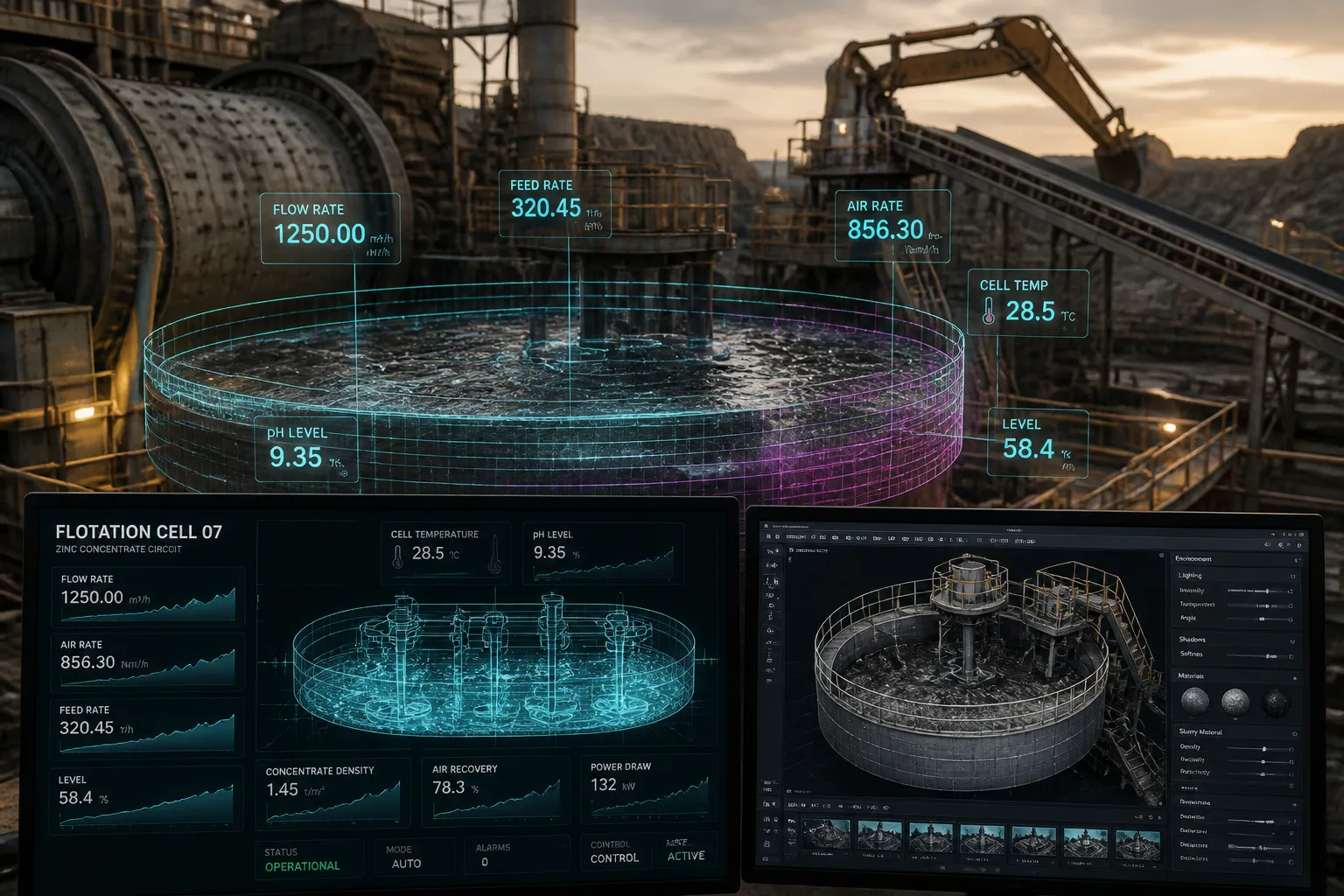
The twin is a computer‑generated replica of the flotation process that separates zinc from the ore. According to MMG, the system fuses process models, machine‑learning algorithms and advanced control logic. It ingests live data from the mine’s sensors and automatically tweaks operating parameters to match the incoming ore feed, thereby maximizing zinc extraction.
“By running a continuous improvement program with clearly defined goals, we have achieved strong outcomes over many years,” said Dugald River general manager Tim Akroyd. Akroyd added that the plant’s focus is on technologies that can drive safety and performance. Senior metallurgist Alec Malcolm, who led the on‑site implementation, noted that the system has introduced a new level of consistency to the plant’s operations.
The Dugald River mine is one of the world’s top ten zinc producers. Located 65 kilometres north of Cloncurry, the site is 100 % owned by MMG and employs more than 850 people. The mine’s metallurgical workflow involves crushing, grinding and sequential carbon, lead and zinc flotation to produce separate concentrates. The carbon concentrate is a waste product that is discharged to tailings.
Digital twins are computational models that mirror a physical system and are updated continuously with real‑time data. Hatch’s expertise in the non‑ferrous metals sector enabled the creation of a twin that reflects the specific design and operating characteristics of the Dugald River flotation circuit.
Industry analysts view the deployment as part of a broader trend toward automation and data‑driven optimisation in mining. Similar digital‑twin initiatives have been reported at other zinc and lead operations, though MMG has not disclosed any comparative performance metrics.
The twin’s primary function is to act as an “always‑on assistant” that continually adjusts plant settings to maximise zinc recovery from each tonne of ore. By reducing the need for manual intervention, the system is expected to improve both safety and throughput.
No regulatory filings or court proceedings are associated with the digital‑twin rollout. MMG has not announced any forthcoming product launches or funding rounds related to this technology. The company’s current focus remains on monitoring the twin’s performance and integrating further process‑control enhancements.
As of the latest public statements, the digital twin remains operational at the Dugald River site and is considered a key component of MMG’s continuous‑improvement strategy for its zinc processing operations.
The twin is a computer‑generated replica of the flotation process that separates zinc from the ore. According to MMG, the system fuses process models, machine‑learning algorithms and advanced control logic. It ingests live data from the mine’s sensors and automatically tweaks operating parameters to match the incoming ore feed, thereby maximizing zinc extraction.
“By running a continuous improvement program with clearly defined goals, we have achieved strong outcomes over many years,” said Dugald River general manager Tim Akroyd. Akroyd added that the plant’s focus is on technologies that can drive safety and performance. Senior metallurgist Alec Malcolm, who led the on‑site implementation, noted that the system has introduced a new level of consistency to the plant’s operations.
The Dugald River mine is one of the world’s top ten zinc producers. Located 65 kilometres north of Cloncurry, the site is 100 % owned by MMG and employs more than 850 people. The mine’s metallurgical workflow involves crushing, grinding and sequential carbon, lead and zinc flotation to produce separate concentrates. The carbon concentrate is a waste product that is discharged to tailings.
Digital twins are computational models that mirror a physical system and are updated continuously with real‑time data. Hatch’s expertise in the non‑ferrous metals sector enabled the creation of a twin that reflects the specific design and operating characteristics of the Dugald River flotation circuit.
Industry analysts view the deployment as part of a broader trend toward automation and data‑driven optimisation in mining. Similar digital‑twin initiatives have been reported at other zinc and lead operations, though MMG has not disclosed any comparative performance metrics.
The twin’s primary function is to act as an “always‑on assistant” that continually adjusts plant settings to maximise zinc recovery from each tonne of ore. By reducing the need for manual intervention, the system is expected to improve both safety and throughput.
No regulatory filings or court proceedings are associated with the digital‑twin rollout. MMG has not announced any forthcoming product launches or funding rounds related to this technology. The company’s current focus remains on monitoring the twin’s performance and integrating further process‑control enhancements.
As of the latest public statements, the digital twin remains operational at the Dugald River site and is considered a key component of MMG’s continuous‑improvement strategy for its zinc processing operations.








