Blab Tech
UWM Faculty Matthew Friedel Drives Milwaukees Emerging Tech Ecosystem
Matthew Friedel, a senior lecturer at the University of Wisconsin‑Milwaukee (UWM) and co‑founder of the university’s Disruptive Technologies Lab, is turning Milwaukee into a technology hub. In addition to teaching, Friedel serves as executive vice‑president of Milwaukee Venture Partners, an angel‑investment network that provides funding and mentorship to local startups. His work blends education, entrepreneurship and investment, reshaping the city’s startup ecosystem.
Friedel earned engineering degrees from UWM and Marquette University before working for industry giants such as Harley‑Davidson. After several years in corporate roles, he shifted to angel investing and academia, citing mentors as a key influence on his career path. He has said, “I would describe myself as three things: educator, entrepreneur and investor,” and that his job is to help people become who they’re going to become.
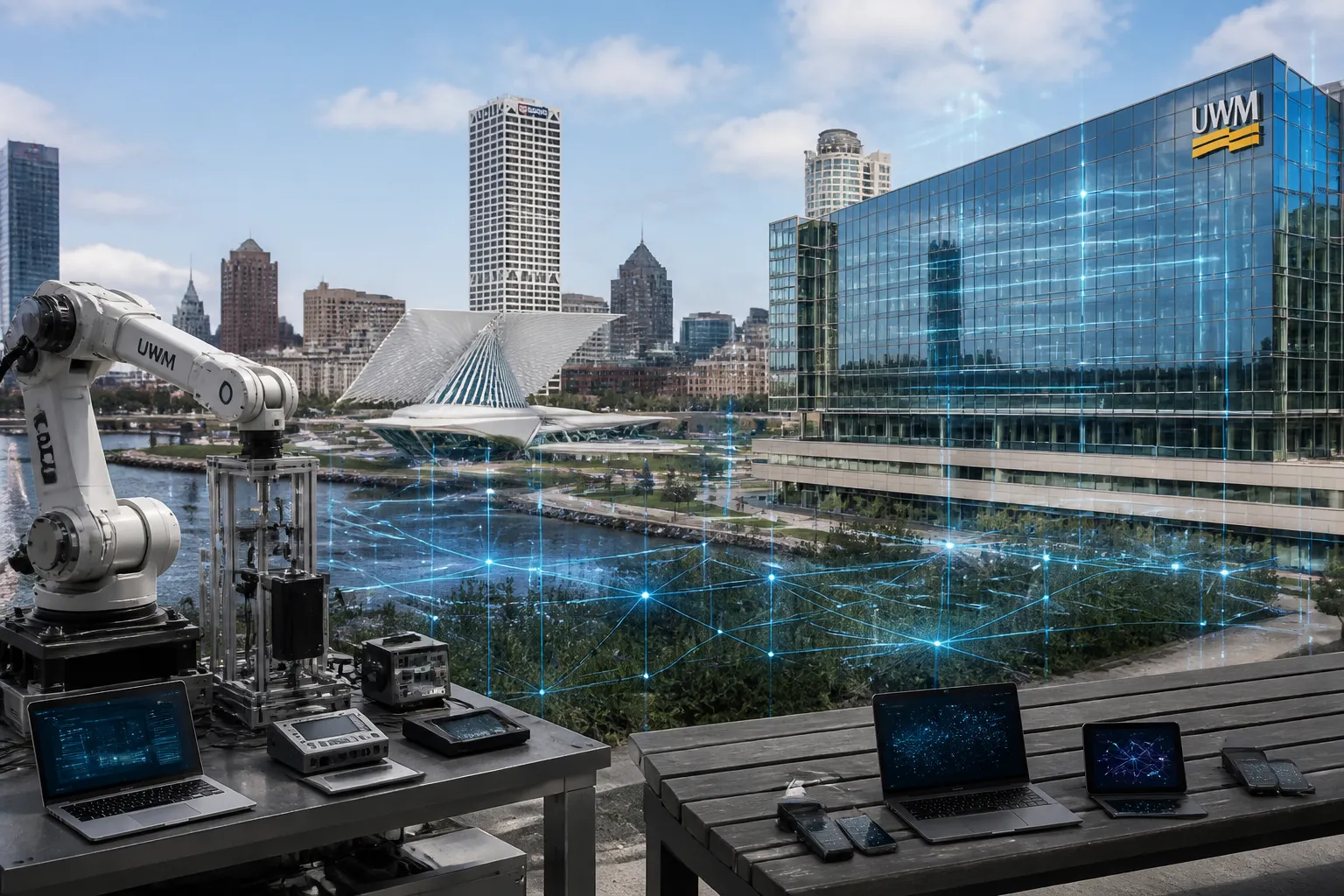
At UWM, Friedel founded the Disruptive Technologies Lab in 2018 to bring emerging digital technologies into the classroom. The lab focuses on artificial intelligence (AI), blockchain, and the Internet of Things, and it serves as a research hub for students and local entrepreneurs. He launched a graduate‑level course on AI and blockchain six years ago, noting that “before it was cool.” Friedel emphasizes the importance of “getting out of the building,” regularly speaking with industry partners and bringing the latest developments back to his students.
Milwaukee Venture Partners was co‑founded by Friedel in 2021. The network aggregates capital from accredited investors and pairs it with strategic advice and mentorship. Friedel has said, “It’s not just about the funds. It’s about the network and experience we provide.” The organization’s goal is to help early‑stage companies achieve market leadership, and it has become a key resource for Milwaukee’s growing tech community.
The impact of Friedel’s dual roles is evident in the region’s startup statistics. According to reports, Milwaukee attracted more venture‑capital investment in 2021 and 2022 than in any of the previous seven years. As of 2024, more than 250 VC‑backed startups have been created in the area, raising over $700 million and employing more than 4,100 people. Friedel credits these gains to the combination of academic support, industry partnerships, and a strong angel‑investment network.
AI is a particular focus for Friedel. He points to machine‑learning tools that improve cancer diagnosis speed and accuracy as examples of the technology’s potential. He has announced plans to write a book on entrepreneurship in AI and blockchain, aiming to guide the next generation of innovators.
Friedel’s broader vision is that technology will continue to replace old jobs with new ones. He has said, “We once had people setting up bowling pins and cutting ice, and working as telephone operators—those jobs don’t exist today, but new jobs have come into their place.” He believes that continual innovation is essential for Milwaukee’s prosperity.
At present, Friedel continues to teach, mentor, and invest while expanding the Disruptive Technologies Lab’s reach. The university and the angel network are preparing for new course offerings and additional funding rounds for local startups. The next steps for the region include further integration of AI and blockchain into the curriculum and continued growth of the venture‑capital pipeline, although the exact timeline for new initiatives remains to be announced.
Friedel earned engineering degrees from UWM and Marquette University before working for industry giants such as Harley‑Davidson. After several years in corporate roles, he shifted to angel investing and academia, citing mentors as a key influence on his career path. He has said, “I would describe myself as three things: educator, entrepreneur and investor,” and that his job is to help people become who they’re going to become.
At UWM, Friedel founded the Disruptive Technologies Lab in 2018 to bring emerging digital technologies into the classroom. The lab focuses on artificial intelligence (AI), blockchain, and the Internet of Things, and it serves as a research hub for students and local entrepreneurs. He launched a graduate‑level course on AI and blockchain six years ago, noting that “before it was cool.” Friedel emphasizes the importance of “getting out of the building,” regularly speaking with industry partners and bringing the latest developments back to his students.
Milwaukee Venture Partners was co‑founded by Friedel in 2021. The network aggregates capital from accredited investors and pairs it with strategic advice and mentorship. Friedel has said, “It’s not just about the funds. It’s about the network and experience we provide.” The organization’s goal is to help early‑stage companies achieve market leadership, and it has become a key resource for Milwaukee’s growing tech community.
The impact of Friedel’s dual roles is evident in the region’s startup statistics. According to reports, Milwaukee attracted more venture‑capital investment in 2021 and 2022 than in any of the previous seven years. As of 2024, more than 250 VC‑backed startups have been created in the area, raising over $700 million and employing more than 4,100 people. Friedel credits these gains to the combination of academic support, industry partnerships, and a strong angel‑investment network.
AI is a particular focus for Friedel. He points to machine‑learning tools that improve cancer diagnosis speed and accuracy as examples of the technology’s potential. He has announced plans to write a book on entrepreneurship in AI and blockchain, aiming to guide the next generation of innovators.
Friedel’s broader vision is that technology will continue to replace old jobs with new ones. He has said, “We once had people setting up bowling pins and cutting ice, and working as telephone operators—those jobs don’t exist today, but new jobs have come into their place.” He believes that continual innovation is essential for Milwaukee’s prosperity.
At present, Friedel continues to teach, mentor, and invest while expanding the Disruptive Technologies Lab’s reach. The university and the angel network are preparing for new course offerings and additional funding rounds for local startups. The next steps for the region include further integration of AI and blockchain into the curriculum and continued growth of the venture‑capital pipeline, although the exact timeline for new initiatives remains to be announced.








