Blab Tech
Thailand Targets Chinas Chongqing and Sichuan for High-Tech Investment, Prime Ministers Roadshow Aims to Boost Inflows
In Chengdu on Sunday, July 19 2026, Thai senior executive Suphachai Chearavanont—Senior Vice Chairman of the Charoen Pokphand Group—met Prime Minister Anutin Charnvirakul and Chinese ministers. Chearavanont told the delegation that the prime minister’s roadshow would help draw investment from Chongqing and Sichuan, two of China’s most prominent high‑tech manufacturing hubs.
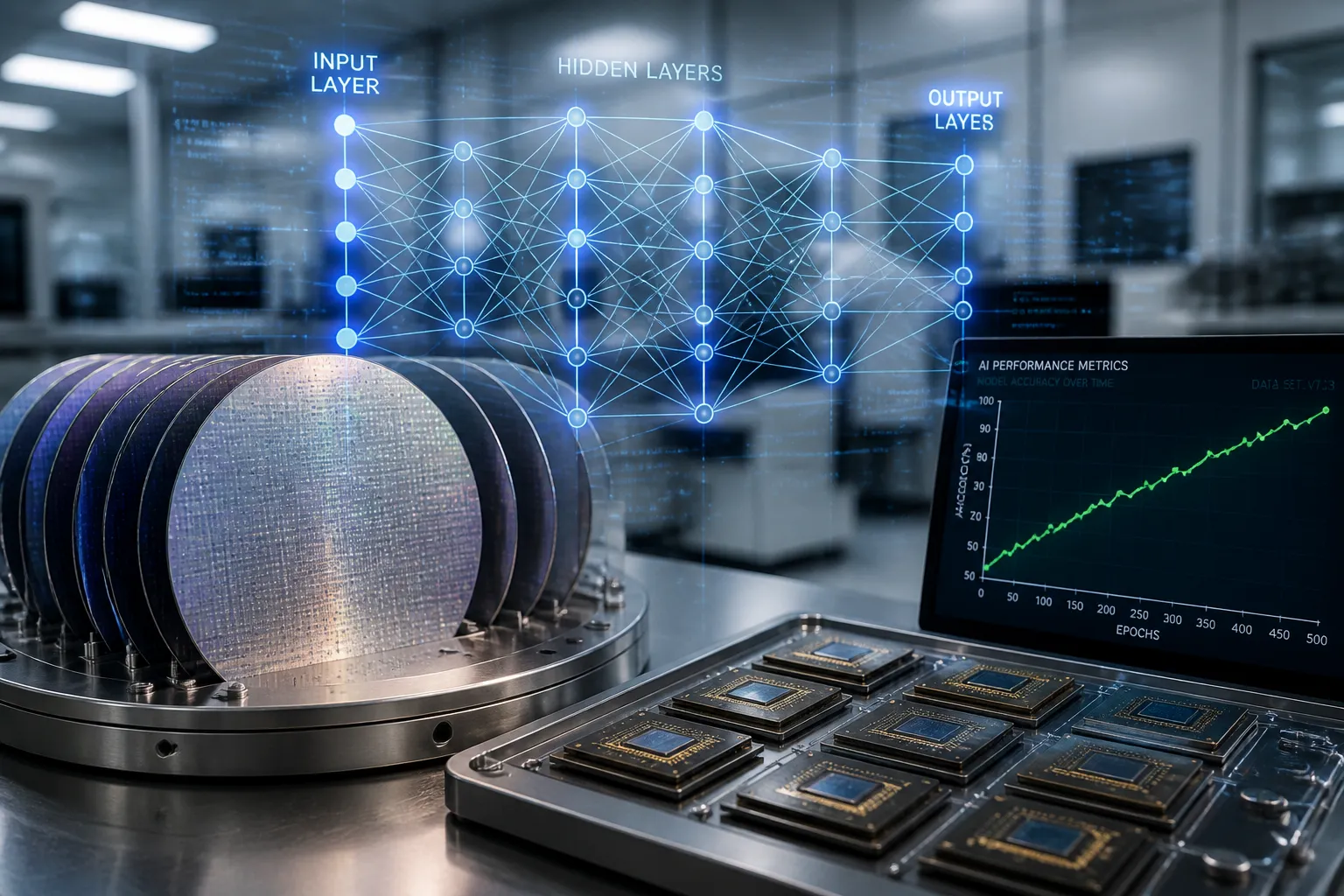
He highlighted that these regions are key centres for the industries Thailand seeks to promote—semiconductors, electronics, advanced technology and aviation. According to Chearavanont, attracting investors from Chongqing and Sichuan would have a “major positive effect on foreign investment inflows” and would reinforce Thailand’s position as a production and export base.
Chearavanont cited Thailand’s 2025 foreign‑direct‑investment total of about US$10 billion, noting the gap compared with Vietnam’s US$27 billion. He stressed that this disparity directly impacts Thailand’s GDP growth and that Western investment in semiconductors and electronics remains lower than expected, even though data‑centre investment from the West has shown some positive signs.
A key point he raised was the importance of building trust and demonstrating goodwill to Chinese investors. “Chinese investors guard against potential losses when investing in countries that are not prepared,” he said, underscoring the need for clear laws, a favourable tax regime and efficient government facilitation.
The prime minister’s visit, which began on July 16 and concluded on July 20, included meetings in Shanghai, Chengdu and Beijing. According to a Bangkok Post report, the trip aimed to strengthen economic ties and attract high‑tech investment, with a focus on semiconductors, artificial intelligence and electric vehicles. The Thai delegation also discussed tourism cooperation and other business matters.
Chongqing—a directly administered municipality—had an urban population of 23 million in 2020 and hosts a large number of high‑tech enterprises. It is a key node in China’s Belt and Road Initiative. Sichuan, whose capital is Chengdu, is the country’s fifth‑largest provincial economy and a major producer of lithium and other semiconductor‑related materials.
Chearavanont said the economic push was an important step toward restoring Thailand as a leading destination for investment from the East, especially from future industries in Sichuan, Chongqing and Chengdu. He added that the visit would strengthen Thailand’s economic structure over the long term.
The Thai government’s strategy to attract Chinese capital aligns with its broader goal of boosting the country’s high‑tech sector. The Ministry of Commerce has announced incentives for semiconductor and electronics manufacturing, while the Ministry of Industry has promoted aviation and advanced technology projects.
At the time of writing, Thailand has not yet announced specific investment incentives tied to the Chongqing or Sichuan regions. However, the prime minister’s roadshow is expected to create a platform for further discussions between Thai and Chinese officials.
The visit comes amid a broader context of increased Chinese investment in Southeast Asia. In March 2026, Chinese Premier Li Qiang highlighted the need to fully tap China’s economic growth potential and to integrate investment in key regions. The Chinese government has also been promoting high‑tech enterprises in Chongqing and Sichuan through various policy measures.
In summary, Thailand’s focus on Chongqing and Sichuan reflects a strategic effort to attract high‑tech investment and to close the FDI gap with regional competitors. The prime minister’s roadshow and Chearavanont’s remarks signal a continued push to position Thailand as a manufacturing hub for future industries.
The current situation remains that Thailand is actively courting Chinese investors, with the potential for increased FDI in semiconductors, electronics and aviation. No definitive investment agreements have been announced yet, and the outcome of the roadshow will likely influence Thailand’s investment climate in the coming months.
He highlighted that these regions are key centres for the industries Thailand seeks to promote—semiconductors, electronics, advanced technology and aviation. According to Chearavanont, attracting investors from Chongqing and Sichuan would have a “major positive effect on foreign investment inflows” and would reinforce Thailand’s position as a production and export base.
Chearavanont cited Thailand’s 2025 foreign‑direct‑investment total of about US$10 billion, noting the gap compared with Vietnam’s US$27 billion. He stressed that this disparity directly impacts Thailand’s GDP growth and that Western investment in semiconductors and electronics remains lower than expected, even though data‑centre investment from the West has shown some positive signs.
A key point he raised was the importance of building trust and demonstrating goodwill to Chinese investors. “Chinese investors guard against potential losses when investing in countries that are not prepared,” he said, underscoring the need for clear laws, a favourable tax regime and efficient government facilitation.
The prime minister’s visit, which began on July 16 and concluded on July 20, included meetings in Shanghai, Chengdu and Beijing. According to a Bangkok Post report, the trip aimed to strengthen economic ties and attract high‑tech investment, with a focus on semiconductors, artificial intelligence and electric vehicles. The Thai delegation also discussed tourism cooperation and other business matters.
Chongqing—a directly administered municipality—had an urban population of 23 million in 2020 and hosts a large number of high‑tech enterprises. It is a key node in China’s Belt and Road Initiative. Sichuan, whose capital is Chengdu, is the country’s fifth‑largest provincial economy and a major producer of lithium and other semiconductor‑related materials.
Chearavanont said the economic push was an important step toward restoring Thailand as a leading destination for investment from the East, especially from future industries in Sichuan, Chongqing and Chengdu. He added that the visit would strengthen Thailand’s economic structure over the long term.
The Thai government’s strategy to attract Chinese capital aligns with its broader goal of boosting the country’s high‑tech sector. The Ministry of Commerce has announced incentives for semiconductor and electronics manufacturing, while the Ministry of Industry has promoted aviation and advanced technology projects.
At the time of writing, Thailand has not yet announced specific investment incentives tied to the Chongqing or Sichuan regions. However, the prime minister’s roadshow is expected to create a platform for further discussions between Thai and Chinese officials.
The visit comes amid a broader context of increased Chinese investment in Southeast Asia. In March 2026, Chinese Premier Li Qiang highlighted the need to fully tap China’s economic growth potential and to integrate investment in key regions. The Chinese government has also been promoting high‑tech enterprises in Chongqing and Sichuan through various policy measures.
In summary, Thailand’s focus on Chongqing and Sichuan reflects a strategic effort to attract high‑tech investment and to close the FDI gap with regional competitors. The prime minister’s roadshow and Chearavanont’s remarks signal a continued push to position Thailand as a manufacturing hub for future industries.
The current situation remains that Thailand is actively courting Chinese investors, with the potential for increased FDI in semiconductors, electronics and aviation. No definitive investment agreements have been announced yet, and the outcome of the roadshow will likely influence Thailand’s investment climate in the coming months.