Blab Tech
Motorola Razr 2025: A Mid-Range Foldable That Balances Performance, Battery, and Price
When Motorola unveiled the Razr 2025 in April 2025, it positioned the device as a mid‑range contender in a foldable market that has been dominated by Samsung, Huawei, and a handful of niche players.
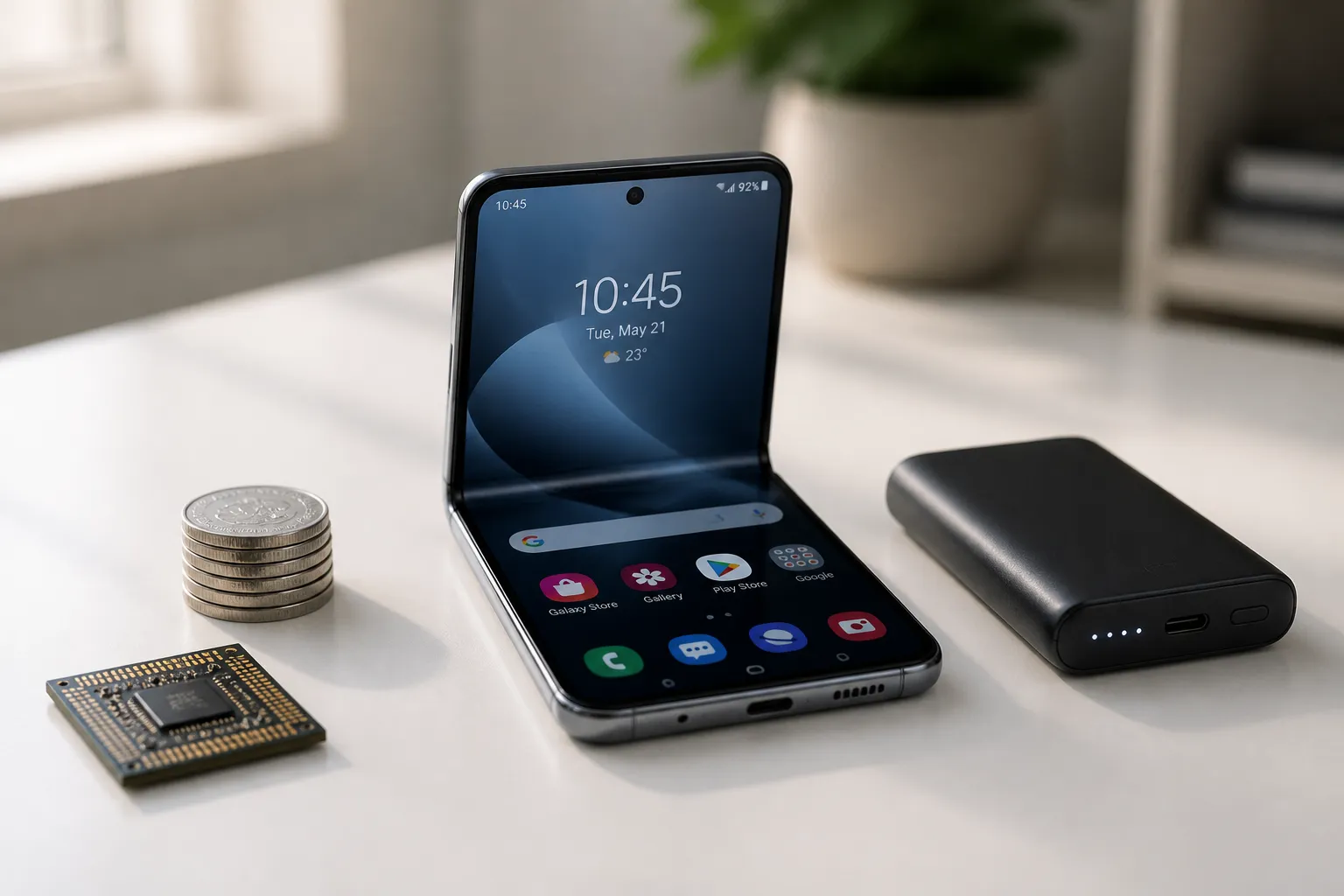
The new Razr is powered by a MediaTek Dimensity 7400X system‑on‑chip, coupled with 8 GB of RAM and 256 GB of UFS 2.2 storage. Running Android 15, the phone features a 6.9‑inch full‑screen display that folds horizontally, while a 4 500 mAh battery keeps the device powered throughout the day.
In practice, the Dimensity 7400X delivers solid, everyday performance. Reviewers note that the chipset handles browsing, streaming, and light gaming with ease, though it falls short of the high‑end gaming experience offered by flagship foldables. Most applications run smoothly, with no noticeable lag.
Battery life is where the Razr 2025 shines. A mixed‑usage test by a reviewer found the phone retained more than 50 % of its charge after a full day of use. Although the 4 500 mAh cell is smaller than those found on some flagship foldables, the device’s efficient chipset and moderate display size help it last.
Camera performance is modest. The Razr 2025 does not include a dedicated low‑light mode or the professional‑grade photography tools found on premium smartphones. Reviewers report that the camera is adequate for casual photos but does not compete with the high‑resolution sensors on high‑end devices.
Price is the device’s biggest selling point. While Motorola has not disclosed an official launch price, a refurbished unit was listed on Amazon for $346, which is less than half the cost of the expected Razr 2026, a higher‑end model that will feature a more powerful chipset and additional AI features.
Motorola’s strategy appears to center on delivering a “good‑value” foldable. The company’s own statement emphasizes the balance of performance, battery life, and price, positioning the Razr 2025 as a more affordable alternative to the Razr Ultra 2025, which carries a higher price tag and a more powerful processor.
The Razr 2025 is part of Motorola’s broader effort to revive the iconic Razr brand. The original Razr V3, released in 2004, was a cultural icon and remains one of the best‑selling phones of its era. The modern Razr line has evolved into a foldable clamshell that retains the brand’s heritage while incorporating contemporary hardware.
Software support remains a concern for some consumers. Motorola typically offers three years of OS and security updates for its devices, a shorter window than the five‑year guarantee offered by Google Pixel or Samsung Galaxy phones. Some reviewers suggest that extending the update window could improve the Razr’s appeal.
In the competitive foldable market, the Razr 2025 competes with devices such as the Samsung Galaxy Z Flip 7 and the Huawei Mate X series. While those phones often feature higher‑end chipsets or larger batteries, the Razr 2025 offers a more affordable entry point.
Overall, the Razr 2025 is a well‑balanced foldable that prioritizes everyday usability over flagship‑level performance. It is likely to appeal to buyers who want a foldable phone that is not overly expensive and that can handle typical smartphone tasks.
The device is available in the United States and several other markets. Motorola continues to promote the Razr 2025 through its official website and partner retailers. Future updates to the device’s software and potential price reductions are expected as the product matures in the market.
In summary, Motorola’s Razr 2025 delivers a mid‑range foldable experience with a competent chipset, decent battery life, and a price point that undercuts many competitors. The phone’s strengths lie in its balanced design and affordability, while its limitations include modest camera performance and a relatively short software support window.
The new Razr is powered by a MediaTek Dimensity 7400X system‑on‑chip, coupled with 8 GB of RAM and 256 GB of UFS 2.2 storage. Running Android 15, the phone features a 6.9‑inch full‑screen display that folds horizontally, while a 4 500 mAh battery keeps the device powered throughout the day.
In practice, the Dimensity 7400X delivers solid, everyday performance. Reviewers note that the chipset handles browsing, streaming, and light gaming with ease, though it falls short of the high‑end gaming experience offered by flagship foldables. Most applications run smoothly, with no noticeable lag.
Battery life is where the Razr 2025 shines. A mixed‑usage test by a reviewer found the phone retained more than 50 % of its charge after a full day of use. Although the 4 500 mAh cell is smaller than those found on some flagship foldables, the device’s efficient chipset and moderate display size help it last.
Camera performance is modest. The Razr 2025 does not include a dedicated low‑light mode or the professional‑grade photography tools found on premium smartphones. Reviewers report that the camera is adequate for casual photos but does not compete with the high‑resolution sensors on high‑end devices.
Price is the device’s biggest selling point. While Motorola has not disclosed an official launch price, a refurbished unit was listed on Amazon for $346, which is less than half the cost of the expected Razr 2026, a higher‑end model that will feature a more powerful chipset and additional AI features.
Motorola’s strategy appears to center on delivering a “good‑value” foldable. The company’s own statement emphasizes the balance of performance, battery life, and price, positioning the Razr 2025 as a more affordable alternative to the Razr Ultra 2025, which carries a higher price tag and a more powerful processor.
The Razr 2025 is part of Motorola’s broader effort to revive the iconic Razr brand. The original Razr V3, released in 2004, was a cultural icon and remains one of the best‑selling phones of its era. The modern Razr line has evolved into a foldable clamshell that retains the brand’s heritage while incorporating contemporary hardware.
Software support remains a concern for some consumers. Motorola typically offers three years of OS and security updates for its devices, a shorter window than the five‑year guarantee offered by Google Pixel or Samsung Galaxy phones. Some reviewers suggest that extending the update window could improve the Razr’s appeal.
In the competitive foldable market, the Razr 2025 competes with devices such as the Samsung Galaxy Z Flip 7 and the Huawei Mate X series. While those phones often feature higher‑end chipsets or larger batteries, the Razr 2025 offers a more affordable entry point.
Overall, the Razr 2025 is a well‑balanced foldable that prioritizes everyday usability over flagship‑level performance. It is likely to appeal to buyers who want a foldable phone that is not overly expensive and that can handle typical smartphone tasks.
The device is available in the United States and several other markets. Motorola continues to promote the Razr 2025 through its official website and partner retailers. Future updates to the device’s software and potential price reductions are expected as the product matures in the market.
In summary, Motorola’s Razr 2025 delivers a mid‑range foldable experience with a competent chipset, decent battery life, and a price point that undercuts many competitors. The phone’s strengths lie in its balanced design and affordability, while its limitations include modest camera performance and a relatively short software support window.








