Blab Tech
Drones Cut Tuberculosis Diagnosis Time and Patient Costs in Telangana Pilot
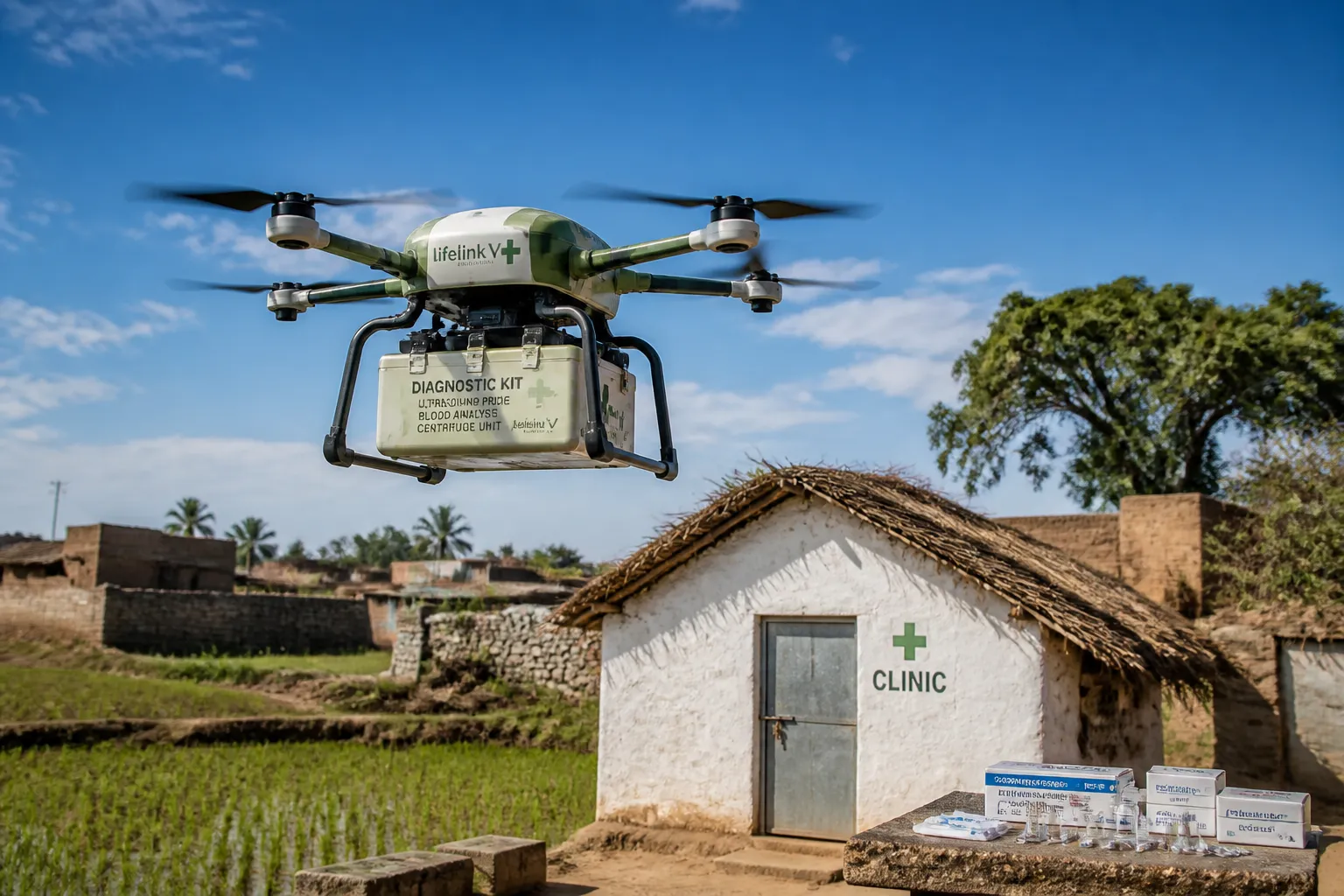
A drone flight over Telangana’s rural landscape cut the median time to diagnose tuberculosis from 15 days to five, while slashing patients’ out‑of‑pocket costs from about ₹9,451 to just ₹91, according to a study released on 16 July 2026 by the Indian Council of Medical Research (ICMR).
The pilot, conducted in Yadadri‑Bhuvanagiri district, enrolled 840 participants and compared the traditional model—where patients travelled to diagnostic centres—to a drone‑enabled approach. In the latter, sputum samples were collected at 11 Primary Health Centres and 60 sub‑centres, then flown to four TB units for laboratory testing. The median out‑of‑pocket cost during the drone phase was effectively zero, indicating that many participants incurred no travel expenses.
ICMR described the findings as part of its i‑DRONE initiative, which explores the use of unmanned aerial vehicles to deliver vaccines, medicines, blood products and diagnostic samples to hard‑to‑reach areas across India. The project was carried out in partnership with AIIMS Bibinagar and the district TB office under the National TB Elimination Programme (NTEP).
"Affordable and timely access to diagnosis remains central to India’s TB elimination efforts," said Dr Rajiv Bahl, Secretary of the Department of Health Research and Director General of ICMR. "This study demonstrates how technology can help bridge geographical barriers and reduce the burden on patients, particularly those living in remote areas."
Health workers involved reported that drone transport reduced delays, improved operational efficiency, and was accepted by communities after an initial period of familiarisation. They also noted operational challenges such as weather conditions, payload limits and the need for ongoing training.
The authors cautioned that the intervention was implemented in a single district and would require validation across diverse settings before wider adoption. Health ministry officials said the results will soon be incorporated into India’s National TB Elimination Programme.
India carries a disproportionately large share of the world’s TB cases, with an estimated 2.8 million new infections annually. Early diagnosis and treatment are critical to interrupting transmission and achieving the NTEP’s goal of a TB‑free India. By shortening the diagnostic turnaround, the drone system enables clinicians to confirm TB and initiate treatment sooner, potentially improving patient outcomes and reducing spread.
The cost savings are substantial. The median out‑of‑pocket expenditure fell from about ₹9,451 under the conventional system to roughly ₹91 after drone‑based sample transport, mainly due to lower travel expenses, reduced wage loss and the availability of sputum collection closer to patients’ homes.
ICMR stresses that further studies are needed to assess performance in varied geographic and climatic conditions, evaluate long‑term sustainability, and determine the cost‑effectiveness of scaling the system nationwide.
No regulatory hurdles or court proceedings are associated with the pilot. The study’s findings have been shared with the Ministry of Health and Family Welfare, and the government plans to integrate the drone model into the NTEP after additional validation.
The pilot marks a step toward leveraging technology to improve healthcare delivery in remote areas, but the broader impact will depend on continued research, investment in drone infrastructure, and alignment with national public‑health strategies.
The pilot, conducted in Yadadri‑Bhuvanagiri district, enrolled 840 participants and compared the traditional model—where patients travelled to diagnostic centres—to a drone‑enabled approach. In the latter, sputum samples were collected at 11 Primary Health Centres and 60 sub‑centres, then flown to four TB units for laboratory testing. The median out‑of‑pocket cost during the drone phase was effectively zero, indicating that many participants incurred no travel expenses.
ICMR described the findings as part of its i‑DRONE initiative, which explores the use of unmanned aerial vehicles to deliver vaccines, medicines, blood products and diagnostic samples to hard‑to‑reach areas across India. The project was carried out in partnership with AIIMS Bibinagar and the district TB office under the National TB Elimination Programme (NTEP).
"Affordable and timely access to diagnosis remains central to India’s TB elimination efforts," said Dr Rajiv Bahl, Secretary of the Department of Health Research and Director General of ICMR. "This study demonstrates how technology can help bridge geographical barriers and reduce the burden on patients, particularly those living in remote areas."
Health workers involved reported that drone transport reduced delays, improved operational efficiency, and was accepted by communities after an initial period of familiarisation. They also noted operational challenges such as weather conditions, payload limits and the need for ongoing training.
The authors cautioned that the intervention was implemented in a single district and would require validation across diverse settings before wider adoption. Health ministry officials said the results will soon be incorporated into India’s National TB Elimination Programme.
India carries a disproportionately large share of the world’s TB cases, with an estimated 2.8 million new infections annually. Early diagnosis and treatment are critical to interrupting transmission and achieving the NTEP’s goal of a TB‑free India. By shortening the diagnostic turnaround, the drone system enables clinicians to confirm TB and initiate treatment sooner, potentially improving patient outcomes and reducing spread.
The cost savings are substantial. The median out‑of‑pocket expenditure fell from about ₹9,451 under the conventional system to roughly ₹91 after drone‑based sample transport, mainly due to lower travel expenses, reduced wage loss and the availability of sputum collection closer to patients’ homes.
ICMR stresses that further studies are needed to assess performance in varied geographic and climatic conditions, evaluate long‑term sustainability, and determine the cost‑effectiveness of scaling the system nationwide.
No regulatory hurdles or court proceedings are associated with the pilot. The study’s findings have been shared with the Ministry of Health and Family Welfare, and the government plans to integrate the drone model into the NTEP after additional validation.
The pilot marks a step toward leveraging technology to improve healthcare delivery in remote areas, but the broader impact will depend on continued research, investment in drone infrastructure, and alignment with national public‑health strategies.








