Blab Tech
Space Development Agency Resumes Tranche 1 Satellite Launch Amid Legislative Uncertainty
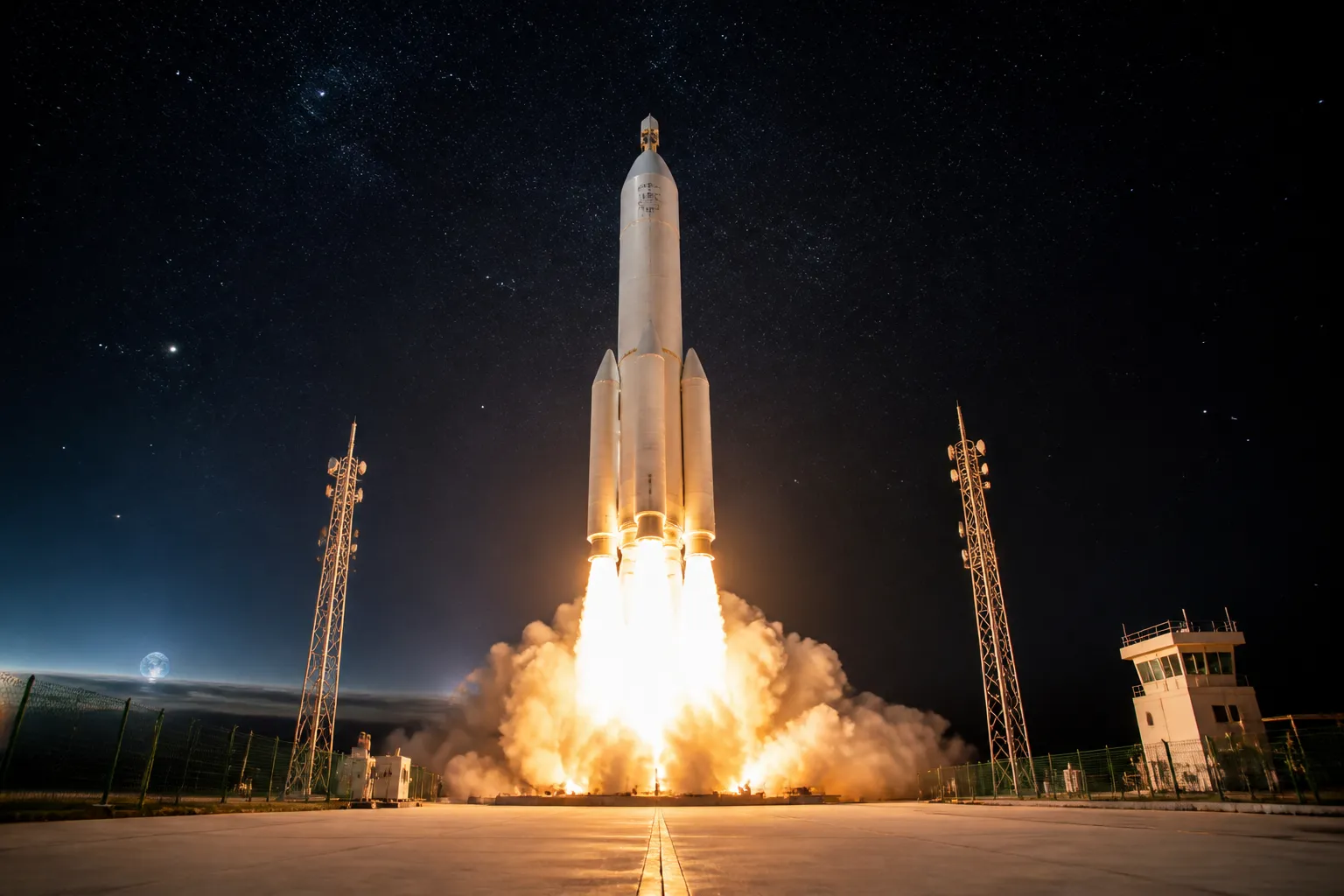
Thursday night, a SpaceX Falcon 9 lifted 21 new transport‑layer satellites into low‑Earth orbit from Vandenberg Space Force Base, marking the end of a nine‑month pause that began after the first two batches were deployed in fall 2025.
The satellites belong to the Proliferated Warfighter Space Architecture, a constellation the Space Development Agency (SDA) is building to deliver real‑time data transport for military communications and threat detection. With this launch, the agency will have roughly half of its transport‑layer constellation in orbit; the next tranche, Tranche 2, is slated to begin in fiscal year 2027.
SDA Director Gurpartap Sandhoo explained that the pause was triggered by software and hardware issues observed on the satellites already in space. "We saw issues on the ones on orbit right now," Sandhoo told reporters on Wednesday. "That's why we delayed and took a pause to make sure we fix at least the known issues. We expect this launch to be a lot smoother than the last one."
The 21 satellites were built by York Space Systems and were carried by the Falcon 9 into a preliminary orbit. From there, the SDA will conduct on‑orbit checkout, orbit‑raising, and system verification before the laser‑communications payloads are validated.
The SDA’s work underpins the Pentagon’s Golden Dome missile‑defense concept, which relies on space‑based sensors to track ballistic and hypersonic missiles. Created in 2019 to accelerate disruptive space technology acquisition, the agency has been managed by the United States Space Force since October 2022. By February 2024, 38 satellites were in orbit, and the SDA aims to deploy at least 1,000 by 2026.
Meanwhile, the agency faces potential structural changes. A draft National Defense Authorization Act (FY 2027) proposes folding the SDA and its authorities into the Space Force’s portfolio acquisition executive. Sandhoo said employees may have concerns about the draft language but emphasized that the workforce remains focused on the mission.
The SDA has also come under scrutiny from the Government Accountability Office. In February 2025, the GAO released a report stating that the agency’s laser‑communications technology had not yet been fully demonstrated in space. The report warned that the program "is at risk of being unable to deliver capability as quickly as planned" and called for more realistic and transparent assessments of the technology’s readiness.
SDA officials disputed the GAO findings. Sandhoo said the agency had achieved baseline objectives in testing and that the program needed to take risks to bring critical space‑based capabilities to the troops. He compared the situation to the Apollo program, arguing that the United States did not wait for Apollo 8 to land before building Apollo 9.
The launch itself was described as routine by SpaceX and the SDA. The Falcon 9 successfully placed the satellites into the intended orbit, and the first on‑orbit checkout procedures have begun. The agency’s next steps include verifying the laser‑communications payloads and ensuring the satellites can perform the data‑transport functions required by the Golden Dome.
In short, the SDA has resumed its Tranche 1 launch after a technical pause, bringing the agency closer to having half of its transport‑layer constellation operational. The agency’s future structure remains uncertain due to draft NDAA provisions, and the GAO continues to monitor the readiness of its laser‑communications technology. Tranche 2 launches are slated for FY 2027, and the SDA will need to demonstrate that its satellites meet the performance standards required for the Golden Dome and other military applications. The coming months will be critical as the agency balances ongoing technical validation, legislative changes, and the broader goal of establishing a robust space‑based communications network for U.S. military forces.
The satellites belong to the Proliferated Warfighter Space Architecture, a constellation the Space Development Agency (SDA) is building to deliver real‑time data transport for military communications and threat detection. With this launch, the agency will have roughly half of its transport‑layer constellation in orbit; the next tranche, Tranche 2, is slated to begin in fiscal year 2027.
SDA Director Gurpartap Sandhoo explained that the pause was triggered by software and hardware issues observed on the satellites already in space. "We saw issues on the ones on orbit right now," Sandhoo told reporters on Wednesday. "That's why we delayed and took a pause to make sure we fix at least the known issues. We expect this launch to be a lot smoother than the last one."
The 21 satellites were built by York Space Systems and were carried by the Falcon 9 into a preliminary orbit. From there, the SDA will conduct on‑orbit checkout, orbit‑raising, and system verification before the laser‑communications payloads are validated.
The SDA’s work underpins the Pentagon’s Golden Dome missile‑defense concept, which relies on space‑based sensors to track ballistic and hypersonic missiles. Created in 2019 to accelerate disruptive space technology acquisition, the agency has been managed by the United States Space Force since October 2022. By February 2024, 38 satellites were in orbit, and the SDA aims to deploy at least 1,000 by 2026.
Meanwhile, the agency faces potential structural changes. A draft National Defense Authorization Act (FY 2027) proposes folding the SDA and its authorities into the Space Force’s portfolio acquisition executive. Sandhoo said employees may have concerns about the draft language but emphasized that the workforce remains focused on the mission.
The SDA has also come under scrutiny from the Government Accountability Office. In February 2025, the GAO released a report stating that the agency’s laser‑communications technology had not yet been fully demonstrated in space. The report warned that the program "is at risk of being unable to deliver capability as quickly as planned" and called for more realistic and transparent assessments of the technology’s readiness.
SDA officials disputed the GAO findings. Sandhoo said the agency had achieved baseline objectives in testing and that the program needed to take risks to bring critical space‑based capabilities to the troops. He compared the situation to the Apollo program, arguing that the United States did not wait for Apollo 8 to land before building Apollo 9.
The launch itself was described as routine by SpaceX and the SDA. The Falcon 9 successfully placed the satellites into the intended orbit, and the first on‑orbit checkout procedures have begun. The agency’s next steps include verifying the laser‑communications payloads and ensuring the satellites can perform the data‑transport functions required by the Golden Dome.
In short, the SDA has resumed its Tranche 1 launch after a technical pause, bringing the agency closer to having half of its transport‑layer constellation operational. The agency’s future structure remains uncertain due to draft NDAA provisions, and the GAO continues to monitor the readiness of its laser‑communications technology. Tranche 2 launches are slated for FY 2027, and the SDA will need to demonstrate that its satellites meet the performance standards required for the Golden Dome and other military applications. The coming months will be critical as the agency balances ongoing technical validation, legislative changes, and the broader goal of establishing a robust space‑based communications network for U.S. military forces.








