Blab Tech
Overwatch Aero Secures DOI Contract for UAS-Based Wildfire Response Across the Lower 48
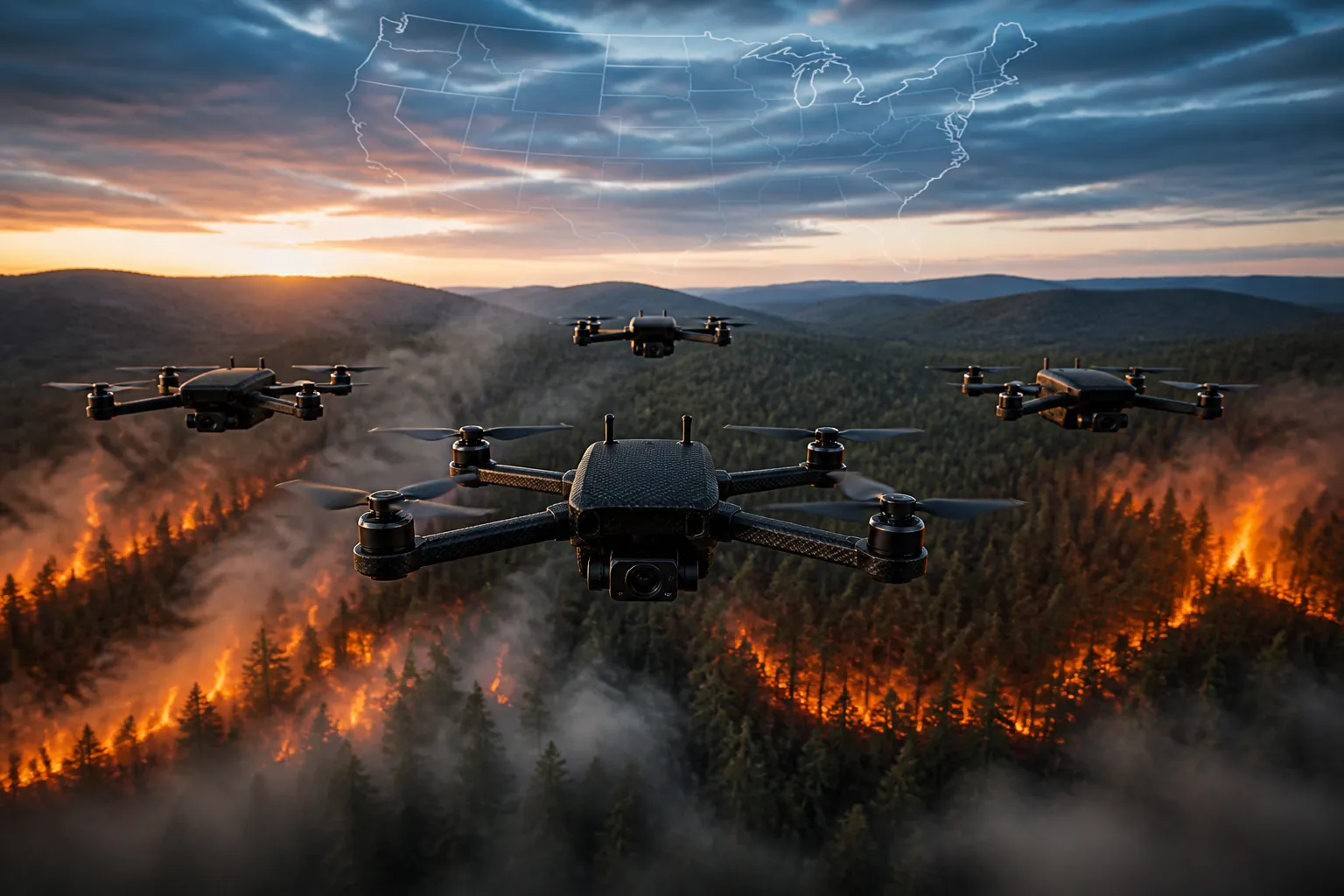
On July 4, 2026, Dallas‑based drone manufacturer Overwatch Aero announced it has been awarded a Department of the Interior (DOI) contract to provide Contractor‑Owned/Contractor‑Operated (CO/CO) On‑Call and Exclusive Use Unmanned Aircraft System (UAS) Emergency Fire Flight Services under an Indefinite Delivery/Indefinite Quantity (IDIQ) vehicle that spans all 48 contiguous states.
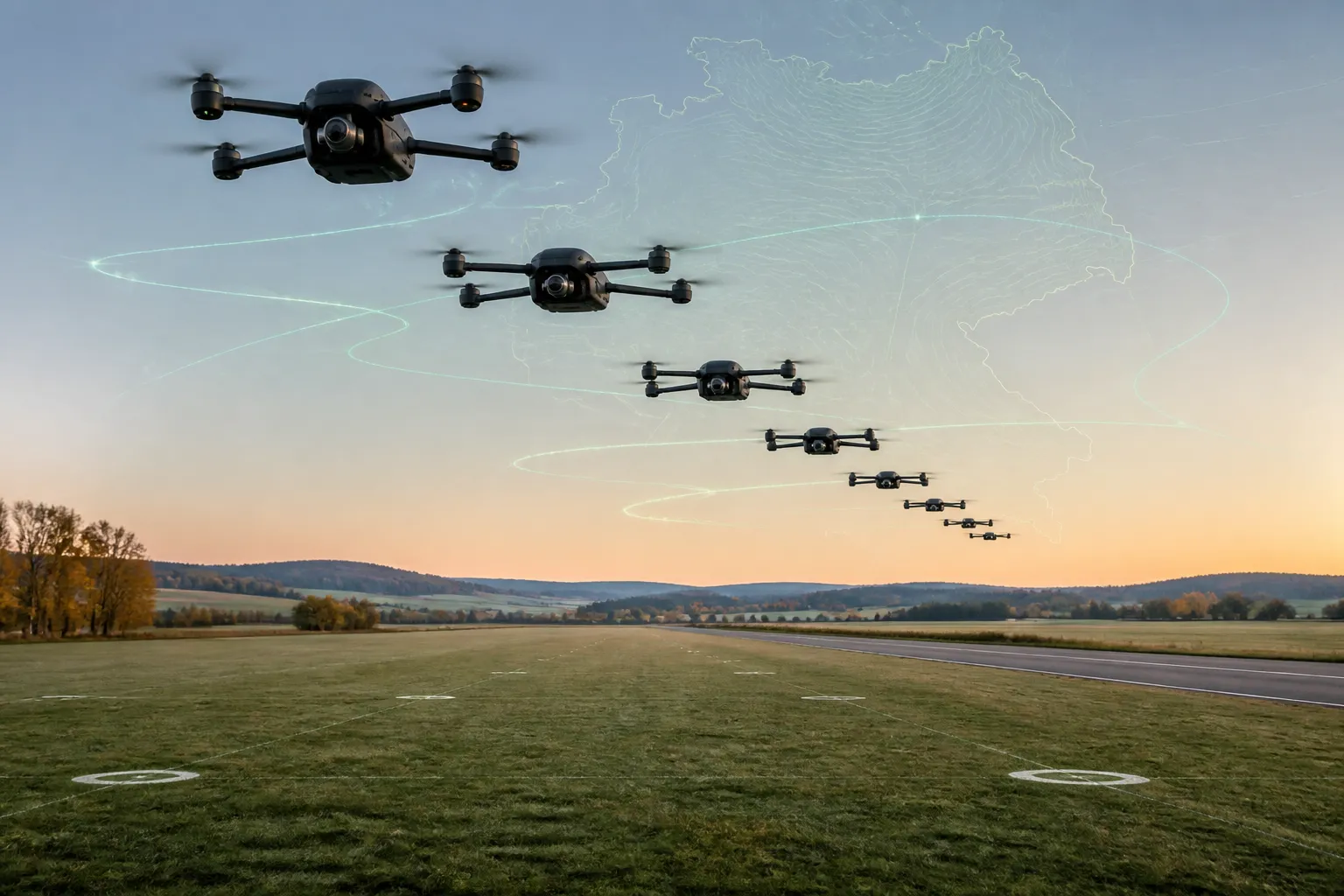
The new IDIQ expands the agency’s wildfire response toolkit by allowing it to deploy Overwatch Aero’s Type 1 UAS—classified as a DOW Group 3 platform—on an as‑needed basis. The system is engineered for persistent intelligence, surveillance, and reconnaissance (ISR) missions and incorporates autonomous vertical‑take‑off and landing (VTOL) performance, advanced satellite and meshed communications, and proven operation in harsh environments.
In its announcement, Overwatch Aero highlighted the company’s focus on applying defense‑grade autonomous technology to public‑safety missions. The firm said the award demonstrates the value of dual‑use systems in real‑world operations, noting that the platform’s capabilities—such as persistent ISR and autonomous flight—are well suited to the rapid assessment and monitoring required during wildfire incidents.
The contract follows a long‑standing relationship between the agency and Overwatch Aero. In 2023, the company secured a single‑award IDIQ worth $7.2 million that extended through June 2026, and it has previously worked with the Department of Defense on similar UAS programs. The new contract expands the scope to include exclusive use of the aircraft for emergency fire missions across the lower 48 states, ensuring that the agency can call on the platform whenever a wildfire threat arises.
Wildfire response is a core responsibility of the DOI, which manages the majority of federal public lands and natural resources. Rapid, accurate situational awareness is critical for containment efforts, and UAS assets have become an integral part of the agency’s toolkit. The DOI’s use of unmanned aircraft for fire monitoring has grown in recent years, with the agency reporting increased deployment of drones for real‑time imagery, thermal imaging, and data collection.
By integrating Overwatch Aero’s autonomous platform, the DOI aims to improve the speed and persistence of its ISR capabilities. The aircraft’s autonomous VTOL design allows it to operate in tight or remote locations without the need for a runway, while its meshed communications network can maintain connectivity in areas where traditional radio links are unreliable. These features are expected to enhance the agency’s ability to gather data on fire behavior, fuel conditions, and weather patterns in real time.
The contract also reflects a broader trend of federal agencies adopting commercial and defense‑derived technologies for public‑safety applications. Overwatch Aero’s statement emphasized that the partnership would not only support immediate wildfire response but also provide a platform for future development of additional public‑safety missions.
At present, the DOI has not released specific details about the contract’s financial terms or the exact number of aircraft that will be deployed. The agency has indicated that the IDIQ vehicle will allow for flexible, on‑call use, meaning that the aircraft can be activated as incidents arise without the need for a separate procurement process.
In the coming months, the DOI is expected to begin integrating the UAS platform into its wildfire response protocols. The agency will likely conduct joint training exercises with Overwatch Aero’s operators to validate the aircraft’s performance in operational scenarios. No regulatory actions or court proceedings are currently associated with the contract.
The award marks a significant step for both Overwatch Aero and the DOI in leveraging advanced autonomous systems for environmental protection. While the contract’s full operational impact will unfold over the next year, the partnership represents a concrete example of defense technology being repurposed to address a pressing public‑safety challenge.
The new IDIQ expands the agency’s wildfire response toolkit by allowing it to deploy Overwatch Aero’s Type 1 UAS—classified as a DOW Group 3 platform—on an as‑needed basis. The system is engineered for persistent intelligence, surveillance, and reconnaissance (ISR) missions and incorporates autonomous vertical‑take‑off and landing (VTOL) performance, advanced satellite and meshed communications, and proven operation in harsh environments.
In its announcement, Overwatch Aero highlighted the company’s focus on applying defense‑grade autonomous technology to public‑safety missions. The firm said the award demonstrates the value of dual‑use systems in real‑world operations, noting that the platform’s capabilities—such as persistent ISR and autonomous flight—are well suited to the rapid assessment and monitoring required during wildfire incidents.
The contract follows a long‑standing relationship between the agency and Overwatch Aero. In 2023, the company secured a single‑award IDIQ worth $7.2 million that extended through June 2026, and it has previously worked with the Department of Defense on similar UAS programs. The new contract expands the scope to include exclusive use of the aircraft for emergency fire missions across the lower 48 states, ensuring that the agency can call on the platform whenever a wildfire threat arises.
Wildfire response is a core responsibility of the DOI, which manages the majority of federal public lands and natural resources. Rapid, accurate situational awareness is critical for containment efforts, and UAS assets have become an integral part of the agency’s toolkit. The DOI’s use of unmanned aircraft for fire monitoring has grown in recent years, with the agency reporting increased deployment of drones for real‑time imagery, thermal imaging, and data collection.
By integrating Overwatch Aero’s autonomous platform, the DOI aims to improve the speed and persistence of its ISR capabilities. The aircraft’s autonomous VTOL design allows it to operate in tight or remote locations without the need for a runway, while its meshed communications network can maintain connectivity in areas where traditional radio links are unreliable. These features are expected to enhance the agency’s ability to gather data on fire behavior, fuel conditions, and weather patterns in real time.
The contract also reflects a broader trend of federal agencies adopting commercial and defense‑derived technologies for public‑safety applications. Overwatch Aero’s statement emphasized that the partnership would not only support immediate wildfire response but also provide a platform for future development of additional public‑safety missions.
At present, the DOI has not released specific details about the contract’s financial terms or the exact number of aircraft that will be deployed. The agency has indicated that the IDIQ vehicle will allow for flexible, on‑call use, meaning that the aircraft can be activated as incidents arise without the need for a separate procurement process.
In the coming months, the DOI is expected to begin integrating the UAS platform into its wildfire response protocols. The agency will likely conduct joint training exercises with Overwatch Aero’s operators to validate the aircraft’s performance in operational scenarios. No regulatory actions or court proceedings are currently associated with the contract.
The award marks a significant step for both Overwatch Aero and the DOI in leveraging advanced autonomous systems for environmental protection. While the contract’s full operational impact will unfold over the next year, the partnership represents a concrete example of defense technology being repurposed to address a pressing public‑safety challenge.