Blab Tech
NASA Cleanrooms Harbor 26 New Bacterial Species, Some Resistant to Sterilization
A team of international scientists has uncovered 26 previously unknown bacterial species lurking inside NASA cleanrooms that were used to assemble the Phoenix Mars Lander. Led by Karthik Raman of the Indian Institute of Technology Madras, the study shows that a subset of these microbes can survive the rigorous cleaning, low‑humidity, and radiation protocols that are standard in spacecraft manufacturing.
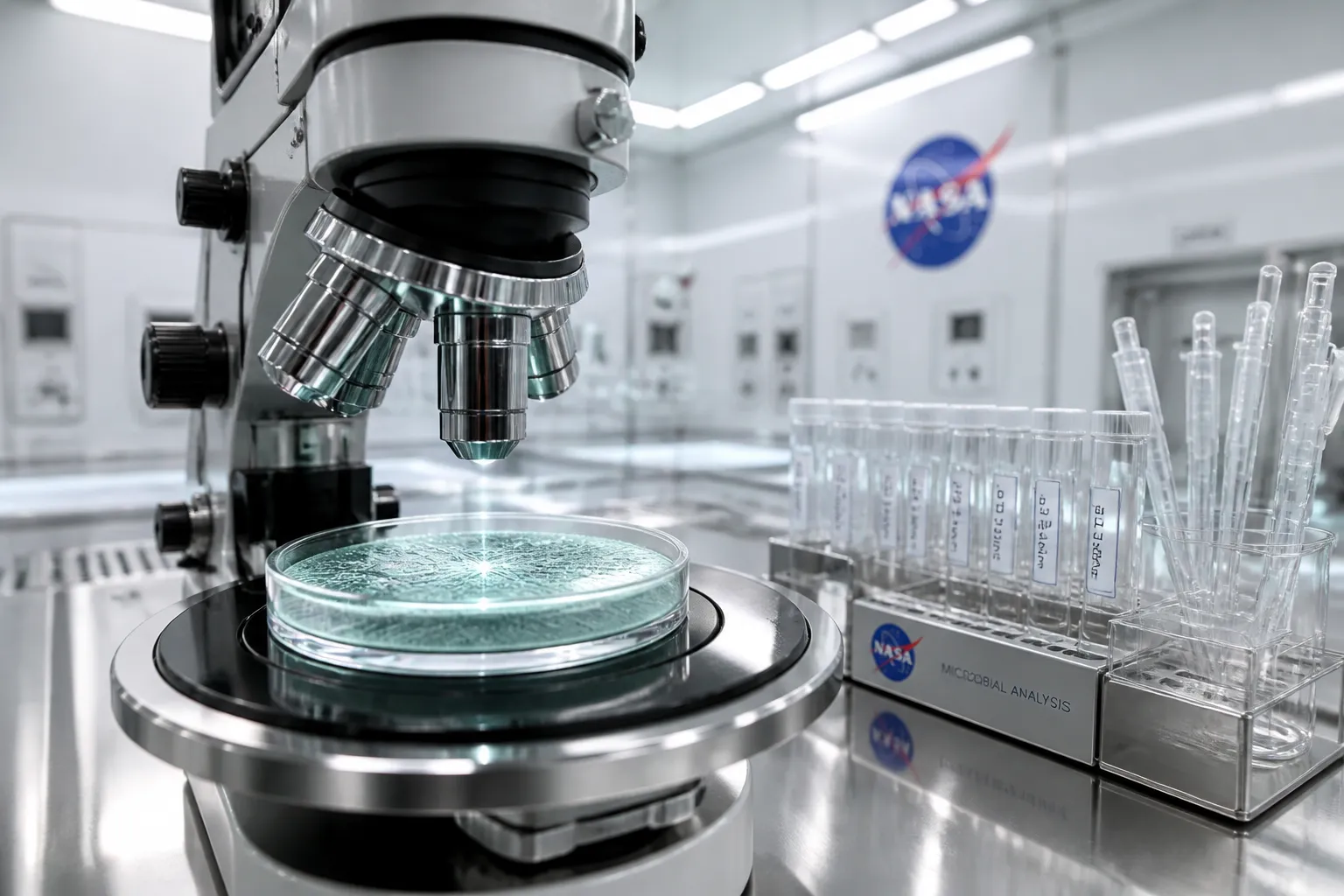
The Phoenix Mars Lander, launched in 2007 and landing on Mars in 2008, was built at NASA facilities in Florida. Cleanrooms for such missions are engineered to keep airborne particles and biological contaminants below strict limits, yet the new findings demonstrate that some bacteria can persist despite intense chemical disinfectants, ultraviolet light, and hydrogen peroxide treatments.
To investigate, the researchers collected samples from surfaces within the cleanrooms and performed genomic sequencing. The analysis revealed that many of the bacteria produce adhesive films that allow them to cling to sterile equipment. Several species carry genes that protect DNA from ionizing radiation and enable repair of oxidative damage. A number of the organisms also form spores, a dormant state that confers additional resistance to harsh environmental conditions.
Beyond their resilience, the bacteria possess metabolic pathways that could be valuable for industrial biotechnology. For example, Agrococcus phoenicis and Microbacterium canaveralium produce an antimicrobial polymer that is already used in food preservation and medical applications. Sphingomonas canaveralia synthesizes zeaxanthin, an antioxidant that benefits eye health. Other isolates produce molecules that bind iron or exhibit anticancer and antimicrobial properties.
The discovery has implications for NASA’s planetary‑protection protocols. Forward contamination—the accidental transfer of Earth life to other worlds—remains a concern for robotic missions. The presence of radiation‑resistant and spore‑forming bacteria in cleanrooms suggests that current sterilization procedures may not eliminate all viable organisms. NASA’s planetary‑protection teams can use the data to refine decontamination methods, prioritize high‑risk species, and adjust cleaning schedules.
The findings also highlight a broader issue in high‑cleanliness environments. Similar microbes have been reported in semiconductor fabs, pharmaceutical manufacturing, and hospital operating rooms. Understanding how bacteria survive intense sterilization can inform better hygiene practices across multiple industries.
While the study does not indicate that any of the identified species were capable of surviving the journey to Mars, it underscores the need for continued vigilance. The research team plans to test the bacteria’s tolerance to simulated space‑flight conditions, including vacuum, temperature extremes, and cosmic radiation.
In the meantime, NASA has not announced any changes to its cleanroom protocols. The agency’s planetary‑protection office continues to monitor microbial contamination and update guidelines as new information becomes available.
The work demonstrates that even the most controlled environments can harbor resilient life forms. It also opens a window into microbial diversity that could be harnessed for new biotechnological products. As NASA and other space agencies prepare for future missions, the study provides a valuable reference for designing more effective sterilization strategies and for exploring the industrial potential of extremophilic bacteria.
The Phoenix Mars Lander, launched in 2007 and landing on Mars in 2008, was built at NASA facilities in Florida. Cleanrooms for such missions are engineered to keep airborne particles and biological contaminants below strict limits, yet the new findings demonstrate that some bacteria can persist despite intense chemical disinfectants, ultraviolet light, and hydrogen peroxide treatments.
To investigate, the researchers collected samples from surfaces within the cleanrooms and performed genomic sequencing. The analysis revealed that many of the bacteria produce adhesive films that allow them to cling to sterile equipment. Several species carry genes that protect DNA from ionizing radiation and enable repair of oxidative damage. A number of the organisms also form spores, a dormant state that confers additional resistance to harsh environmental conditions.
Beyond their resilience, the bacteria possess metabolic pathways that could be valuable for industrial biotechnology. For example, Agrococcus phoenicis and Microbacterium canaveralium produce an antimicrobial polymer that is already used in food preservation and medical applications. Sphingomonas canaveralia synthesizes zeaxanthin, an antioxidant that benefits eye health. Other isolates produce molecules that bind iron or exhibit anticancer and antimicrobial properties.
The discovery has implications for NASA’s planetary‑protection protocols. Forward contamination—the accidental transfer of Earth life to other worlds—remains a concern for robotic missions. The presence of radiation‑resistant and spore‑forming bacteria in cleanrooms suggests that current sterilization procedures may not eliminate all viable organisms. NASA’s planetary‑protection teams can use the data to refine decontamination methods, prioritize high‑risk species, and adjust cleaning schedules.
The findings also highlight a broader issue in high‑cleanliness environments. Similar microbes have been reported in semiconductor fabs, pharmaceutical manufacturing, and hospital operating rooms. Understanding how bacteria survive intense sterilization can inform better hygiene practices across multiple industries.
While the study does not indicate that any of the identified species were capable of surviving the journey to Mars, it underscores the need for continued vigilance. The research team plans to test the bacteria’s tolerance to simulated space‑flight conditions, including vacuum, temperature extremes, and cosmic radiation.
In the meantime, NASA has not announced any changes to its cleanroom protocols. The agency’s planetary‑protection office continues to monitor microbial contamination and update guidelines as new information becomes available.
The work demonstrates that even the most controlled environments can harbor resilient life forms. It also opens a window into microbial diversity that could be harnessed for new biotechnological products. As NASA and other space agencies prepare for future missions, the study provides a valuable reference for designing more effective sterilization strategies and for exploring the industrial potential of extremophilic bacteria.