Blab Tech
Indias Information Ministry Issues Notice to Telegram Over Piracy, Demands Action Report
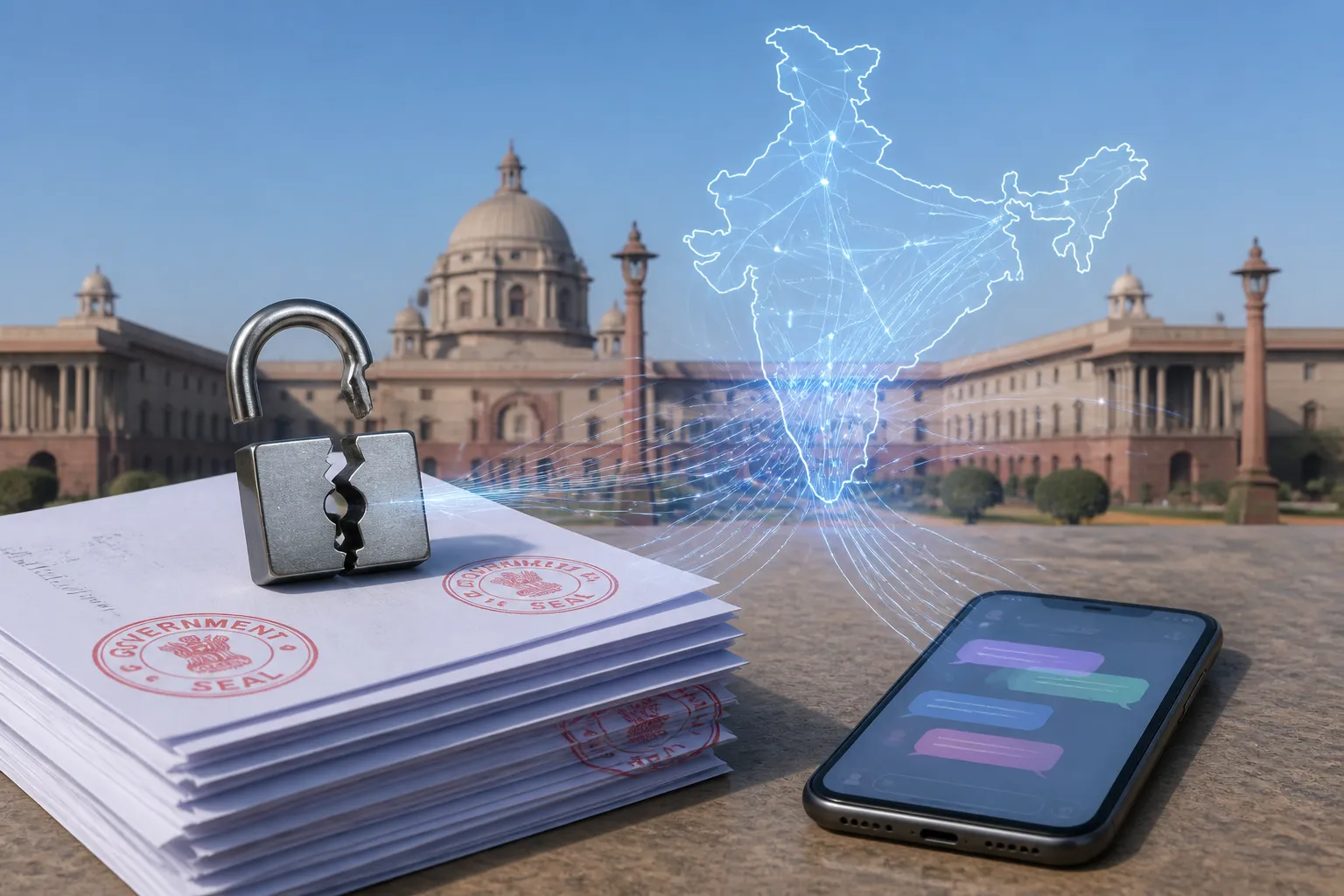
The Ministry of Information and Broadcasting (I&B) has formally directed Telegram to take immediate action against the widespread sharing of pirated films, OTT content and other audio‑visual material on its platform. In a notice issued on Saturday, the ministry asked the messaging service to submit an Action‑Taken Report within 15 days.
The notice marks a shift in the government’s approach to online piracy. Rather than relying on piecemeal takedowns of individual piracy channels, the ministry is insisting on platform‑wide accountability. It reminds Telegram that copyright infringement is not only a civil violation but also a criminal offence under the Copyright Act, 1957 and the Cinematograph Act, 1952.
Telegram had been temporarily blocked in India in June to prevent a paper leak during the NEET re‑examination. The ministry’s letter stresses that the platform cannot wait for the government to identify each piracy channel one by one. A purely reactive, channel‑by‑channel takedown approach may not satisfy the due‑diligence requirements set out in the Information Technology Act, 2000 and the IT Rules, 2021.
In addition to the takedown directive, the notice requests details of Telegram’s grievance‑redressal mechanism for producers, OTT platforms and law‑enforcement agencies. The ministry says that continued availability of pirated content, evasive compliance or an incomplete response could invite further examination and action under applicable law.
The move comes after the ministry’s recent regulatory action against Meta. Earlier this week, the Ministry of Electronics and Information Technology (MeitY) issued a notice to Meta questioning the planned username feature on WhatsApp. Later, MeitY summoned Meta over Instagram ads that allegedly promoted child sexual abuse material.
The I&B ministry’s action against Telegram is part of a broader effort to protect India’s creator economy, film industry, broadcasters, OTT platforms, producers and distributors. By invoking the Copyright Act and the Cinematograph Act, the ministry is reinforcing the criminal nature of large‑scale piracy.
Under the IT Act, intermediaries are exempt from liability for third‑party content provided they conduct due diligence. The ministry’s notice reminds Telegram that failure to meet these obligations could result in legal consequences.
Telegram’s response to the notice has not yet been released. The company has previously defended its platform as a secure messaging service, but the current directive focuses on the illegal distribution of copyrighted material.
The notice is expected to prompt Telegram to review its content‑moderation policies and strengthen its mechanisms for reporting and removing pirated content. It also signals to other intermediaries that the government is prepared to enforce stricter compliance.
The I&B ministry’s action underscores the growing emphasis on digital piracy enforcement in India. With the country’s large consumer base and rapidly expanding OTT market, the government is tightening its regulatory framework to safeguard intellectual‑property rights.
At present, the outcome of the notice will depend on Telegram’s compliance within the 15‑day window. The ministry has indicated that further action may be taken if the platform fails to demonstrate adequate due diligence.
The situation remains under observation as the ministry continues to monitor the effectiveness of its regulatory measures and the broader impact on the digital content ecosystem in India.
The notice marks a shift in the government’s approach to online piracy. Rather than relying on piecemeal takedowns of individual piracy channels, the ministry is insisting on platform‑wide accountability. It reminds Telegram that copyright infringement is not only a civil violation but also a criminal offence under the Copyright Act, 1957 and the Cinematograph Act, 1952.
Telegram had been temporarily blocked in India in June to prevent a paper leak during the NEET re‑examination. The ministry’s letter stresses that the platform cannot wait for the government to identify each piracy channel one by one. A purely reactive, channel‑by‑channel takedown approach may not satisfy the due‑diligence requirements set out in the Information Technology Act, 2000 and the IT Rules, 2021.
In addition to the takedown directive, the notice requests details of Telegram’s grievance‑redressal mechanism for producers, OTT platforms and law‑enforcement agencies. The ministry says that continued availability of pirated content, evasive compliance or an incomplete response could invite further examination and action under applicable law.
The move comes after the ministry’s recent regulatory action against Meta. Earlier this week, the Ministry of Electronics and Information Technology (MeitY) issued a notice to Meta questioning the planned username feature on WhatsApp. Later, MeitY summoned Meta over Instagram ads that allegedly promoted child sexual abuse material.
The I&B ministry’s action against Telegram is part of a broader effort to protect India’s creator economy, film industry, broadcasters, OTT platforms, producers and distributors. By invoking the Copyright Act and the Cinematograph Act, the ministry is reinforcing the criminal nature of large‑scale piracy.
Under the IT Act, intermediaries are exempt from liability for third‑party content provided they conduct due diligence. The ministry’s notice reminds Telegram that failure to meet these obligations could result in legal consequences.
Telegram’s response to the notice has not yet been released. The company has previously defended its platform as a secure messaging service, but the current directive focuses on the illegal distribution of copyrighted material.
The notice is expected to prompt Telegram to review its content‑moderation policies and strengthen its mechanisms for reporting and removing pirated content. It also signals to other intermediaries that the government is prepared to enforce stricter compliance.
The I&B ministry’s action underscores the growing emphasis on digital piracy enforcement in India. With the country’s large consumer base and rapidly expanding OTT market, the government is tightening its regulatory framework to safeguard intellectual‑property rights.
At present, the outcome of the notice will depend on Telegram’s compliance within the 15‑day window. The ministry has indicated that further action may be taken if the platform fails to demonstrate adequate due diligence.
The situation remains under observation as the ministry continues to monitor the effectiveness of its regulatory measures and the broader impact on the digital content ecosystem in India.