Blab Tech
Indias Defence Acquisition Council Clears Rs 52,000-Crore Anti-Drone and Missile Package
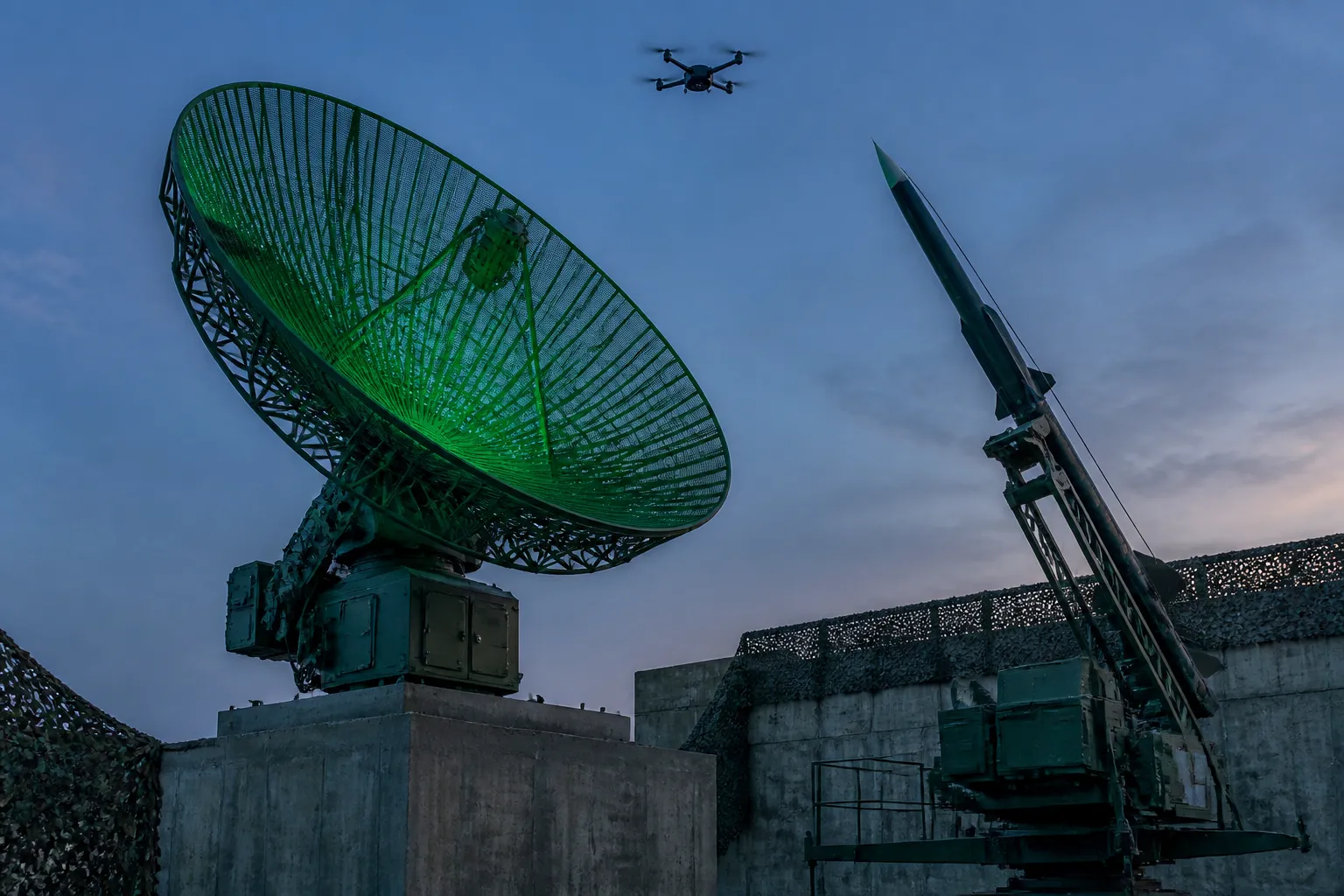
On 4 July 2026, the Defence Acquisition Council (DAC), led by Defence Minister Rajnath Singh, gave the green light to capital‑acquisition proposals totaling roughly Rs 52,000 crore. The package covers a broad spectrum of systems – from anti‑drone platforms and missiles to air‑defence suites, unmanned vehicles, naval mines and surveillance gear – for the Army, Navy and Air Force.
The decision marks one of the largest single‑day approvals of the year. While it does not trigger immediate contracts, it authorises the Ministry of Defence to issue tenders for the listed systems. The move is expected to keep the defence order book on an upward trajectory, offering near‑term revenue visibility for several domestic manufacturers.
Bharat Electronics Limited (BEL) and Bharat Dynamics Limited (BDL) are poised to absorb the bulk of the orders. BEL, a state‑owned electronics PSU, supplies the radar and command systems for the Akash surface‑to‑air missile (SAM) and serves as the lead systems integrator for the Medium‑Range Surface‑to‑Air Missile (MRSAM) programme. BDL, the manufacturer of the Akash missile, has also played a role in the MRSAM project through its collaboration with Israel Aerospace Industries.
The Akash system is a mobile, medium‑range SAM capable of engaging aircraft, cruise missiles and air‑to‑surface missiles up to 45 km. Each battery houses a PESA 3‑D Rajendra radar and four launchers, each holding three missiles, and can track up to 64 targets while engaging up to 12 simultaneously.
MRSAM is a medium‑to‑long‑range air‑defence and anti‑missile system designed to counter aircraft, helicopters, UAVs, anti‑ship missiles and ballistic missiles. BEL produces MRSAM in partnership with IAI, with plans to deploy the system on naval destroyers and India’s first indigenous aircraft carrier.
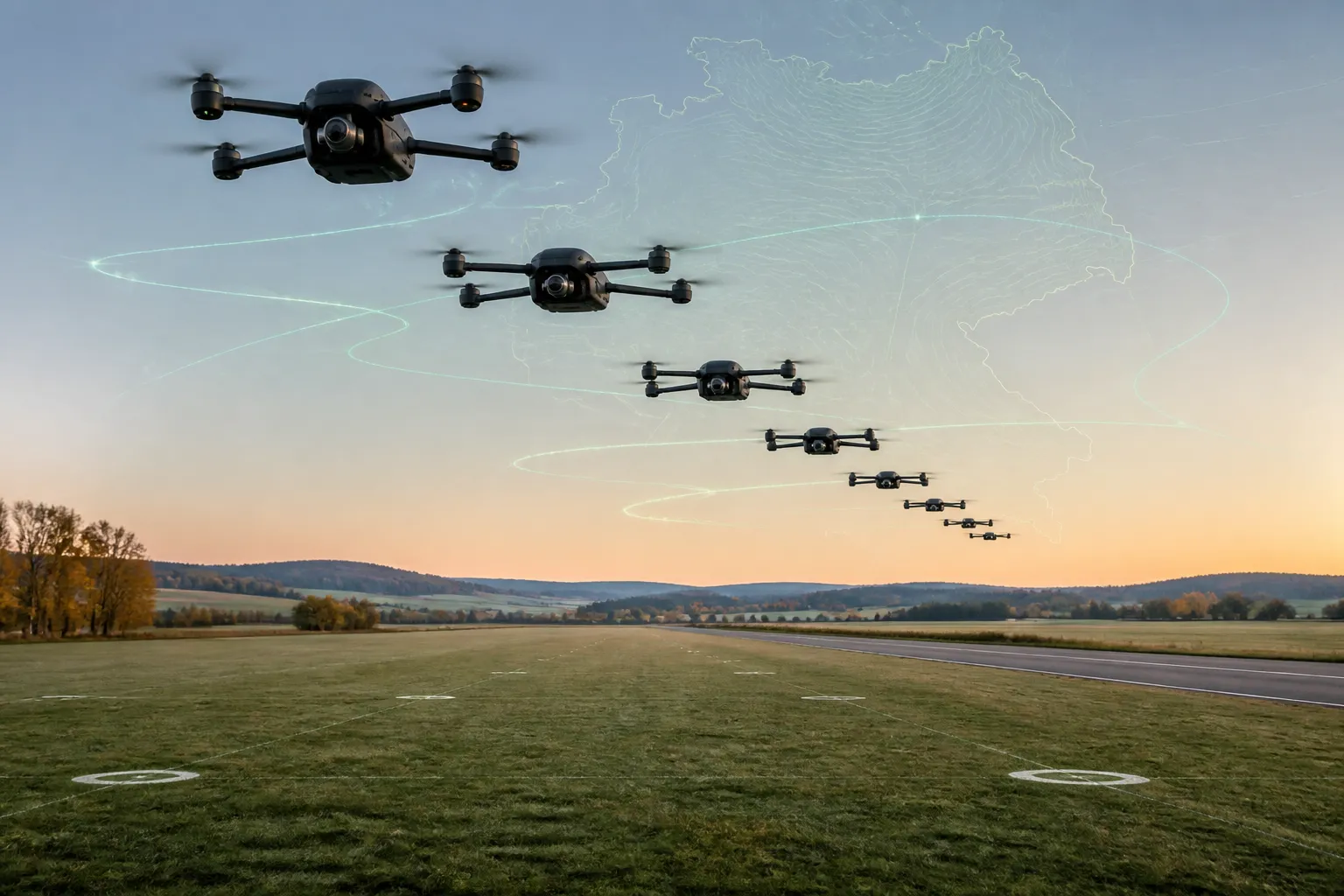
Other beneficiaries include Zen Tech, Paras Defence and a cohort of UAV start‑ups that have been developing anti‑drone and surveillance platforms. The DAC’s Acceptance of Necessity (AoN) process permits the Ministry to procure these systems without a formal tender, speeding delivery and integration.
The approval dovetails with the Defence Acquisition Procedure (DAP) 2026, which seeks to streamline procurement and accelerate timelines. Under the new framework, the DAC reviews capital‑acquisition proposals and grants AoN status to projects that meet strategic and operational requirements.
Industry analysts point out that the Rs 52,000 crore package represents a substantial investment in indigenous technology. BEL and BDL already command orders for Akash and MRSAM that total several hundred crore rupees; the new approvals are expected to augment that pipeline.
In a statement, the Defence Ministry said the package would strengthen the operational capabilities of the three services and support India’s self‑reliance goals. No specific contract values or delivery dates were disclosed.
The decision also signals continued confidence in India’s domestic defence manufacturing ecosystem. Companies that have been advancing anti‑drone and UAV technologies are likely to see increased demand as the armed forces modernise their air‑space surveillance and counter‑air‑defence capabilities.
At present, the DAC has not announced any specific tenders or contract awards. The next steps involve the Ministry issuing detailed specifications and inviting bids from eligible manufacturers. The procurement process is expected to unfold over the next 12 to 18 months.
In sum, the DAC’s Rs 52,000 crore approval marks a milestone for India’s defence industry, carving a clear path for the acquisition of advanced air‑defence and unmanned systems. The package is poised to generate revenue for BEL, BDL and several start‑ups, while reinforcing the armed forces’ readiness for emerging threats.
The decision marks one of the largest single‑day approvals of the year. While it does not trigger immediate contracts, it authorises the Ministry of Defence to issue tenders for the listed systems. The move is expected to keep the defence order book on an upward trajectory, offering near‑term revenue visibility for several domestic manufacturers.
Bharat Electronics Limited (BEL) and Bharat Dynamics Limited (BDL) are poised to absorb the bulk of the orders. BEL, a state‑owned electronics PSU, supplies the radar and command systems for the Akash surface‑to‑air missile (SAM) and serves as the lead systems integrator for the Medium‑Range Surface‑to‑Air Missile (MRSAM) programme. BDL, the manufacturer of the Akash missile, has also played a role in the MRSAM project through its collaboration with Israel Aerospace Industries.
The Akash system is a mobile, medium‑range SAM capable of engaging aircraft, cruise missiles and air‑to‑surface missiles up to 45 km. Each battery houses a PESA 3‑D Rajendra radar and four launchers, each holding three missiles, and can track up to 64 targets while engaging up to 12 simultaneously.
MRSAM is a medium‑to‑long‑range air‑defence and anti‑missile system designed to counter aircraft, helicopters, UAVs, anti‑ship missiles and ballistic missiles. BEL produces MRSAM in partnership with IAI, with plans to deploy the system on naval destroyers and India’s first indigenous aircraft carrier.
Other beneficiaries include Zen Tech, Paras Defence and a cohort of UAV start‑ups that have been developing anti‑drone and surveillance platforms. The DAC’s Acceptance of Necessity (AoN) process permits the Ministry to procure these systems without a formal tender, speeding delivery and integration.
The approval dovetails with the Defence Acquisition Procedure (DAP) 2026, which seeks to streamline procurement and accelerate timelines. Under the new framework, the DAC reviews capital‑acquisition proposals and grants AoN status to projects that meet strategic and operational requirements.
Industry analysts point out that the Rs 52,000 crore package represents a substantial investment in indigenous technology. BEL and BDL already command orders for Akash and MRSAM that total several hundred crore rupees; the new approvals are expected to augment that pipeline.
In a statement, the Defence Ministry said the package would strengthen the operational capabilities of the three services and support India’s self‑reliance goals. No specific contract values or delivery dates were disclosed.
The decision also signals continued confidence in India’s domestic defence manufacturing ecosystem. Companies that have been advancing anti‑drone and UAV technologies are likely to see increased demand as the armed forces modernise their air‑space surveillance and counter‑air‑defence capabilities.
At present, the DAC has not announced any specific tenders or contract awards. The next steps involve the Ministry issuing detailed specifications and inviting bids from eligible manufacturers. The procurement process is expected to unfold over the next 12 to 18 months.
In sum, the DAC’s Rs 52,000 crore approval marks a milestone for India’s defence industry, carving a clear path for the acquisition of advanced air‑defence and unmanned systems. The package is poised to generate revenue for BEL, BDL and several start‑ups, while reinforcing the armed forces’ readiness for emerging threats.