Blab Tech
Rostec Delivers First Batch of Mnogotochiye Counter-Drone Cartridges to Russian Troops
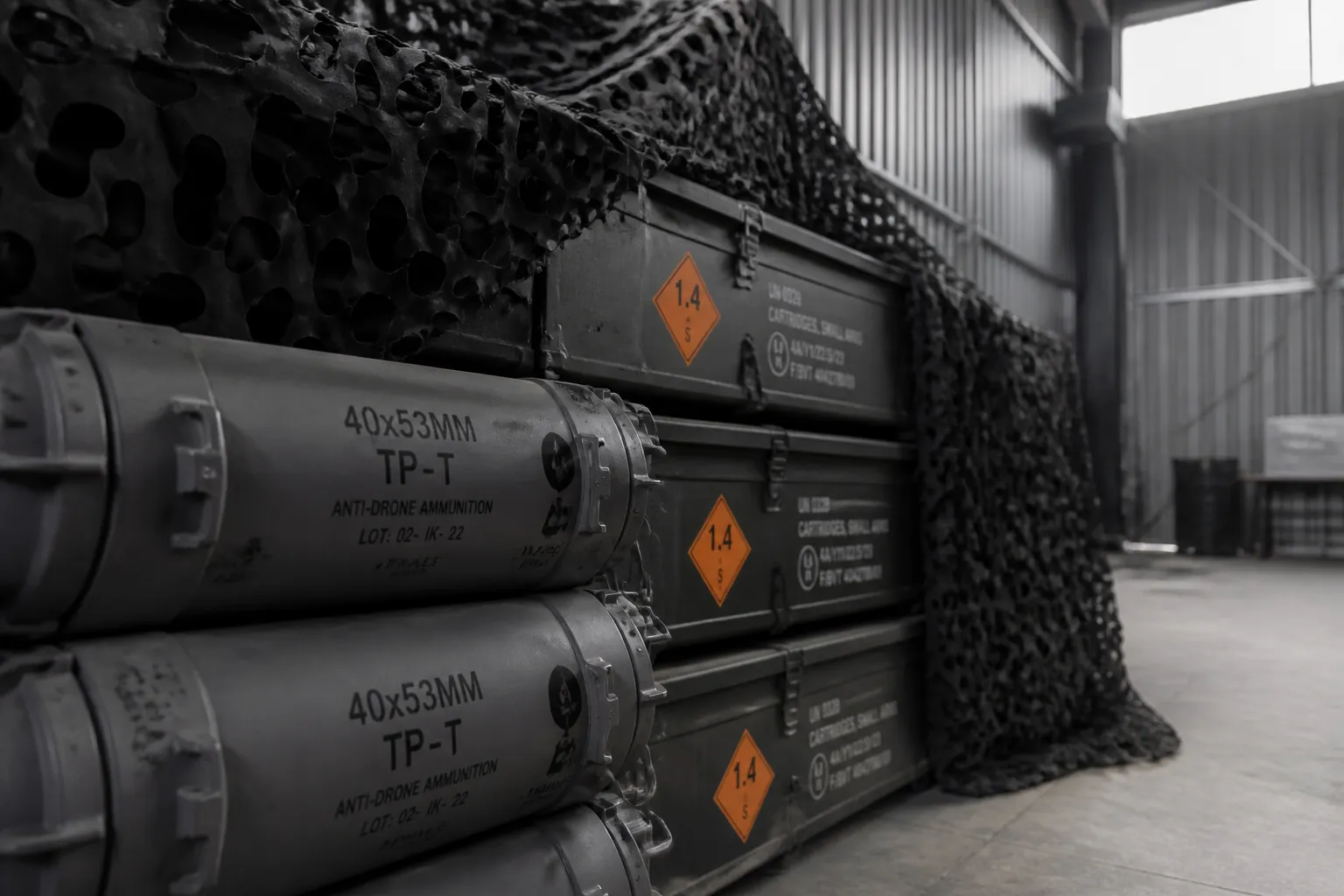
On July 3, Russia’s state‑owned defense conglomerate Rostec announced that the first production batch of its new Mnogotochiye counter‑drone cartridges had been supplied to front‑line units. The cartridges, the product of High Precision Systems Holding Company—a Rostec subsidiary that specializes in high‑precision weapons for the combat tactical zone—promise to neutralise unmanned aerial vehicles with a single shot.
Engineers involved in the project say the round can down a drone on the first impact. Serial production has already begun, and the first pilot batch has been delivered to troops.
The announcement came amid the “Nash Krash” (“Our Crash”) engineering project, a series of live‑fire tests showcasing new defensive technologies. That same day a shooter fired a Mnogotochiye round from a standard automatic rifle, striking a drone equipped with a soda bottle to illustrate the damage caused by the first impact.
A key advantage of the cartridge is its standardization with service ammunition rounds, meaning it can be loaded into any automatic gun used by Russian forces without modification. The engineer explained: “With this cartridge in service, our fighters at the frontline do not need to carry an extra hunting gun.” He added, “The cartridge has been standardized with service ammunition rounds and the weapon’s automatic mechanism functions in all operational conditions. That is, there is no need to carry an extra weight involving a gun and gun rounds.”
The Mnogotochiye round reflects a broader trend in modern warfare, where small arms are being adapted to counter the growing threat of drones. By integrating counter‑drone capability into existing rifles, the Russian military can reduce logistical burdens and improve the agility of its infantry units.
High Precision Systems began developing the cartridge in early 2026, when Rostec first announced the concept of a multi‑projectile round capable of engaging UAVs. The design incorporates a cluster of sub‑projectiles that disperse upon impact, increasing the likelihood of disabling a drone’s flight‑control system.
Delivering the first batch to troops marks a significant milestone in the cartridge’s development cycle. While the exact number of rounds supplied has not been disclosed, the announcement signals that the system is moving from testing to operational deployment.
Rostec’s statement emphasized that the cartridge is intended to complement existing air‑defence measures rather than replace them. The company said that the Mnogotochiye round can be used in conjunction with larger‑scale counter‑drone platforms, such as ground‑based radar and missile systems.
The Russian Ministry of Defence has not yet issued a separate directive regarding the use of the new cartridge. However, the timing of the announcement suggests that the military is preparing to integrate the round into training programs for infantry units expected to face drone threats in future engagements.
The Mnogotochiye cartridge is part of a suite of counter‑drone solutions that Rostec has been developing in response to the increasing use of drones in conflicts around the world. Other projects include programmable airburst rounds for 30 mm cannons and anti‑drone ammunition for light weapons.
As the Russian military continues to field these new munitions, analysts will watch for reports on their effectiveness in combat situations. The success of the Mnogotochiye cartridge could influence how other nations adapt small‑arms technology to counter drone threats.
In the coming weeks, Rostec is expected to release further details on production volumes and deployment timelines. The company has also indicated that it will continue to refine the cartridge’s design to improve reliability and reduce cost.
The delivery of the first batch of Mnogotochiye cartridges to Russian troops represents a tangible step forward in the integration of counter‑drone capabilities into standard infantry weapons. The system’s ability to neutralise drones with a single shot and its compatibility with existing automatic rifles could provide Russian forces with a more flexible and logistically efficient tool for addressing the growing drone threat on the battlefield.
Engineers involved in the project say the round can down a drone on the first impact. Serial production has already begun, and the first pilot batch has been delivered to troops.
The announcement came amid the “Nash Krash” (“Our Crash”) engineering project, a series of live‑fire tests showcasing new defensive technologies. That same day a shooter fired a Mnogotochiye round from a standard automatic rifle, striking a drone equipped with a soda bottle to illustrate the damage caused by the first impact.
A key advantage of the cartridge is its standardization with service ammunition rounds, meaning it can be loaded into any automatic gun used by Russian forces without modification. The engineer explained: “With this cartridge in service, our fighters at the frontline do not need to carry an extra hunting gun.” He added, “The cartridge has been standardized with service ammunition rounds and the weapon’s automatic mechanism functions in all operational conditions. That is, there is no need to carry an extra weight involving a gun and gun rounds.”
The Mnogotochiye round reflects a broader trend in modern warfare, where small arms are being adapted to counter the growing threat of drones. By integrating counter‑drone capability into existing rifles, the Russian military can reduce logistical burdens and improve the agility of its infantry units.
High Precision Systems began developing the cartridge in early 2026, when Rostec first announced the concept of a multi‑projectile round capable of engaging UAVs. The design incorporates a cluster of sub‑projectiles that disperse upon impact, increasing the likelihood of disabling a drone’s flight‑control system.
Delivering the first batch to troops marks a significant milestone in the cartridge’s development cycle. While the exact number of rounds supplied has not been disclosed, the announcement signals that the system is moving from testing to operational deployment.
Rostec’s statement emphasized that the cartridge is intended to complement existing air‑defence measures rather than replace them. The company said that the Mnogotochiye round can be used in conjunction with larger‑scale counter‑drone platforms, such as ground‑based radar and missile systems.
The Russian Ministry of Defence has not yet issued a separate directive regarding the use of the new cartridge. However, the timing of the announcement suggests that the military is preparing to integrate the round into training programs for infantry units expected to face drone threats in future engagements.
The Mnogotochiye cartridge is part of a suite of counter‑drone solutions that Rostec has been developing in response to the increasing use of drones in conflicts around the world. Other projects include programmable airburst rounds for 30 mm cannons and anti‑drone ammunition for light weapons.
As the Russian military continues to field these new munitions, analysts will watch for reports on their effectiveness in combat situations. The success of the Mnogotochiye cartridge could influence how other nations adapt small‑arms technology to counter drone threats.
In the coming weeks, Rostec is expected to release further details on production volumes and deployment timelines. The company has also indicated that it will continue to refine the cartridge’s design to improve reliability and reduce cost.
The delivery of the first batch of Mnogotochiye cartridges to Russian troops represents a tangible step forward in the integration of counter‑drone capabilities into standard infantry weapons. The system’s ability to neutralise drones with a single shot and its compatibility with existing automatic rifles could provide Russian forces with a more flexible and logistically efficient tool for addressing the growing drone threat on the battlefield.








